Jacquard fabric gets its name from the jacquard loom, which is capable of weaving intricate patterns. There are many types of jacquard fabrics, such as brocade, damask, and quilted. Jacquard fabrics are used in clothing and home décor, such as dresses, suits, curtains, and furniture covers. Cotton jacquard fabrics are popular for their comfort and practicality. Silk and polyester jacquard fabrics are often used for high-end and business purposes. Suerte provides custom jacquard fabrics and other fashion fabrics to designers and companies worldwide.
Key Takeaways
- Jacquard fabrics feature intricate woven patterns, giving them a unique and exquisite appearance. The advent of the jacquard loom revolutionized fabric production, allowing patterns to be woven directly into the fabric. Common types of jacquard fabrics include brocade, damask, and quilting. Each type has its unique look and uses. Jacquard fabrics are strong, durable, and versatile, suitable for making clothing, furniture, and home décor. Designers can also customize jacquard fabrics, creating unique patterns and styles for their work.
What is Jacquard Fabric Called?
Meaning of Jacquard Fabric
Jacquard fabric is a special type of fabric. It is easily recognizable because of its raised patterns on the surface. The textile industry states that jacquard fabric is woven on special looms with raised patterns. These patterns can be flowers, shapes, or even pictures. Jacquard fabrics do not use printing or embroidery techniques; instead, the patterns are woven into the fabric during the weaving process. This makes jacquard fabrics strong and durable.
People use jacquard fabrics to make clothing, furniture, and home furnishings. Brocade, jacquard fabrics, damask fabrics, and quilted fabrics are all types of jacquard fabrics. Each fabric has a different look and feel, but they all use the same weaving method. Brocade and jacquard fabrics often have shimmering threads and vibrant patterns. Damask fabric patterns are visible on both sides. Quilted fabrics look like a quilt. These fabrics can be made from cotton, silk, or synthetic fibers. The jacquard weaving process gives jacquard fabrics a rich texture and a unique appearance.
Jacquard fabric does not refer to a single fabric, but rather to a series of fabrics with intricate patterns created using the same weaving technique.
Origin of the Name
The name “jacquard fabric” originates from the jacquard loom. Joseph Marie Jacquard invented this loom in 1801. He hoped to make it easier and faster to weave complex patterns. Before this, weaving was done by hand, which was both time-consuming and laborious. The advent of the jacquard loom revolutionized the way fabrics were made. It employed a special system that allowed the yarn to move automatically up and down, enabling one person to quickly weave intricate patterns.
- The Jacquard machine helped people make hard patterns without much work.
- The word jacquard means the part that controls the weaving.
- Fabrics made with this system are called jacquard fabric.
- The Jacquard loom connects the fabric’s name to the new way of weaving.
- The process is named after Joseph Marie Jacquard, who built the first loom like this.
The invention of the jacquard loom revolutionized the way fabrics are made. It enabled the easy creation of brocade, jacquard fabrics, damask fabrics, and quilted fabrics. The concept of the jacquard loom also laid the foundation for the development of more advanced weaving machinery. Today, new jacquard looms employ computer-controlled weaving processes, allowing factories to quickly change patterns and rapidly produce jacquard fabrics.
The name “jacquard fabric” is both a tribute to the jacquard loom and a commemoration of its inventor, Joseph Marie Jacquard. When people see brocade, jacquard, damask, or quilted fabrics, they think of Jacquard’s creativity. The patterns of jacquard fabrics showcase a perfect fusion of technology and creativity.
How to Identify Jacquard Fabric

Visual and Texture Characteristics
Jacquard fabrics are easily identifiable because of their distinctive appearance and feel. People identify jacquard fabrics by the patterns woven into them. These patterns can be floral, shapes, or images. These patterns are not printed or sewn on. The jacquard weaving process makes the patterns raised, clearly visible on both sides. The fabric has a rich texture and sometimes appears embossed. Jacquard fabrics are heavy and strong, making them very durable. Because the pattern is part of the fabric, it remains clear and does not fade.
Some characteristics of jacquard fabrics are particularly prominent compared to other fabrics:
- Woven patterns with lots of detail
- Raised texture that feels fancy
- Patterns on both sides, sometimes in different colors
- Strong and lasts a long time
Experts recommend checking the fabric’s weaving technique and pattern details. Genuine jacquard brocade has a slightly textured feel and vibrant colors. Labels and fabric samples can help you determine if it’s jacquard fabric.
Common Types of Jacquard Fabrics
Jacquard fabrics come in many varieties, each with its unique look and purpose. The most common types include brocade, damask, and quilted. The table below lists the characteristics and uses of each type of jacquard fabric:
| Fabric Type | Characteristics | Common Uses |
|---|---|---|
| Damask | Threads woven in complex ways, shiny look, double-sided, smooth feel | Upholstery, dresses, tablecloths, accessories |
| Brocatelle | Raised designs, uses two sets of threads, bumpy effect | Wall decoration, drapes, fancy clothes |
| Matelassé | Looks quilted, often padded | Bedding, upholstery, decorative fabrics |
Jacquard weaves use many kinds of fibers. Cotton jacquard is soft and lets air through, so it is good for home items. Silk jacquard shines and is used for fancy clothes. Wool jacquard is warm and shows patterns well. Polyester jacquard is tough and keeps its shape. Nylon jacquard is light and strong. Each fiber makes the patterns and feel of the fabric different.
Jacquard Fabric Features
Distinguishing Qualities
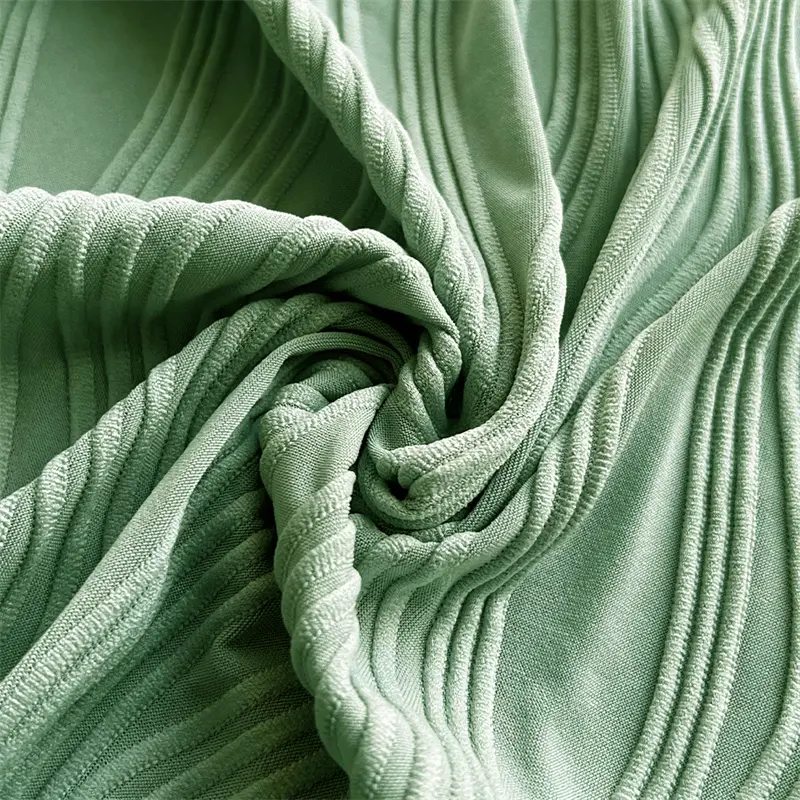
Jacquard is easy to notice because of how it is made. The jacquard loom puts detailed patterns right into the fabric. This way, the fabric has deep and rich designs. Many people like how jacquard looks three-dimensional and feels fancy. The patterns do not come off because they are woven in, not printed or stitched.
- The weave makes special patterns in every jacquard fabric.
- The fabric stays nice for a long time because the designs last.
- Jacquard works with many styles, from old to new, so it is useful.
- The fabric’s look makes clothes and home items look fancy.
A special loom weaves intricate patterns by moving each yarn. This allows for the creation of simple or very fine designs. The feel of jacquard fabric can be soft or smooth, depending on the material. Designers choose jacquard fabric because of its rich texture and ability to beautifully display striking patterns.
The Difference Between Jacquard Fabric and Other Fabrics
The difference between jacquard fabric and other fabrics lies in how the pattern is created. In jacquard fabric, the pattern is woven into the fabric itself. Other fabrics, such as printed cotton or embroidered silk, have the pattern added after weaving. This makes jacquard fabric more durable and gives it a unique texture.
People sometimes confuse brocade with jacquard fabric. Brocade is a type of jacquard fabric. All brocade uses a jacquard weaving technique, but not all jacquard fabric is brocade. Brocade is characterized by raised yarns, a shiny sheen, and intricate patterns. Brocade and jacquard fabrics have different uses. Brocade is typically used for making high-end clothing and accessories. Jacquard fabrics can also be used on other fabrics, such as brocade and quilted fabrics.
| Fabric Type | Pattern Creation | Texture | Common Uses |
|---|---|---|---|
| Jacquard | Woven in | Rich, varied | Fashion, upholstery, accessories |
| Brocade | Woven in (jacquard loom) | Raised, often metallic | Evening wear, costumes, drapery |
| Printed | Surface print | Flat | Everyday clothing, décor |
| Embroidered | Stitched on | Raised | Decorative items, accents |
Jacquard is strong and can be used for many things. Suerte helps designers use jacquard to make fabrics with special patterns for any idea.
Jacquard fabric is easy to notice because of its special patterns. The fabric feels rich and lasts a long time. People can tell jacquard by its raised designs. The patterns show on both sides of the fabric. Designers, companies, and shoppers like jacquard for many reasons. It is strong, looks nice, and helps with brand style.
| Feature | Description |
|---|---|
| Durability | Stays strong and lasts a long time |
| Aesthetic Appeal | Has cool and detailed patterns |
| Versatility | Used for clothes, furniture, and home things |
FAQ
What makes jacquard fabric different from other fabrics?
The special feature of jacquard fabric is that the pattern is woven directly into the fabric on the loom. This makes the fabric look more luxurious and is also more durable. Jacquard patterns are more defined than printed or sewn patterns.
How are patterns woven into jacquard fabric?
Jacquard fabric uses a special loom that lifts the yarns sequentially. This allows for the creation of a wide variety of patterns. These patterns can be very intricate and beautiful.
Is brocade a type of jacquard fabric?
Yes, brocade is a type of jacquard fabric. Both use the same weaving method. Brocade typically has lustrous yarns and a raised texture.
What are jacquard fabrics used for?
Jacquard fabrics are used in clothing, furniture, and home décor. Designers choose jacquard fabrics because they are strong, durable, and beautiful. This fabric is ideal for making dresses, curtains, and accessories.
Can jacquard fabrics be made from different fibers?
Yes, jacquard fabrics can be made from cotton, silk, polyester, or blends. Different fibers affect the feel and appearance of a fabric. All jacquard fabrics feature intricate patterns and are very strong and durable.