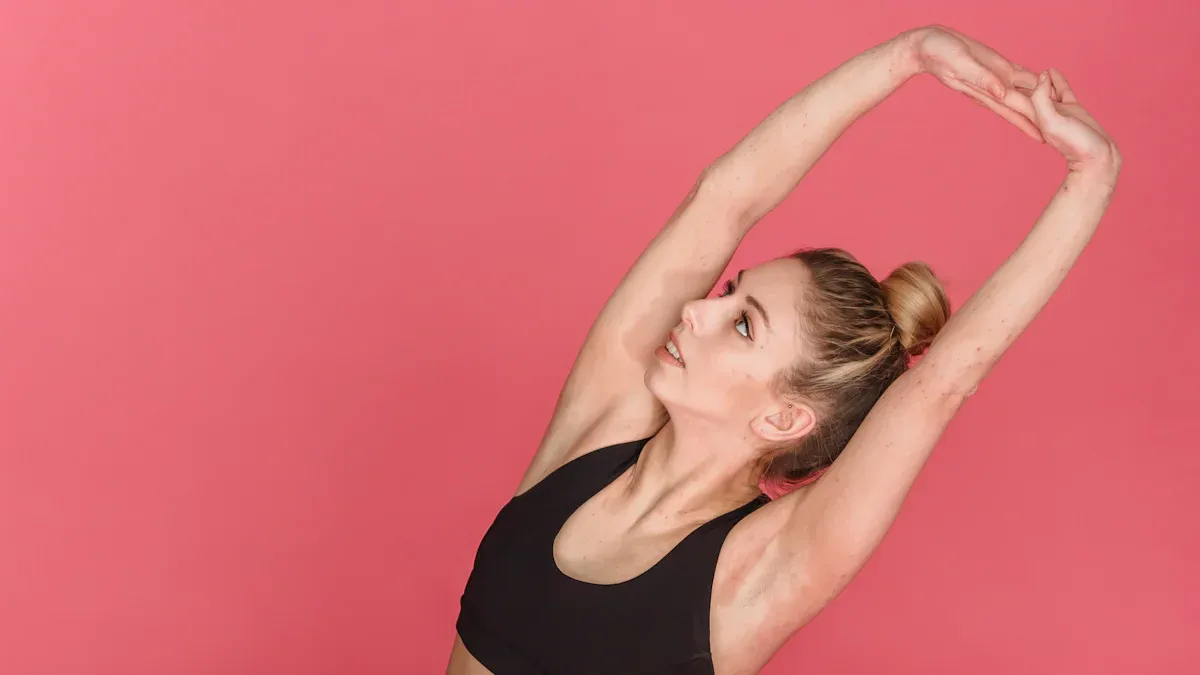
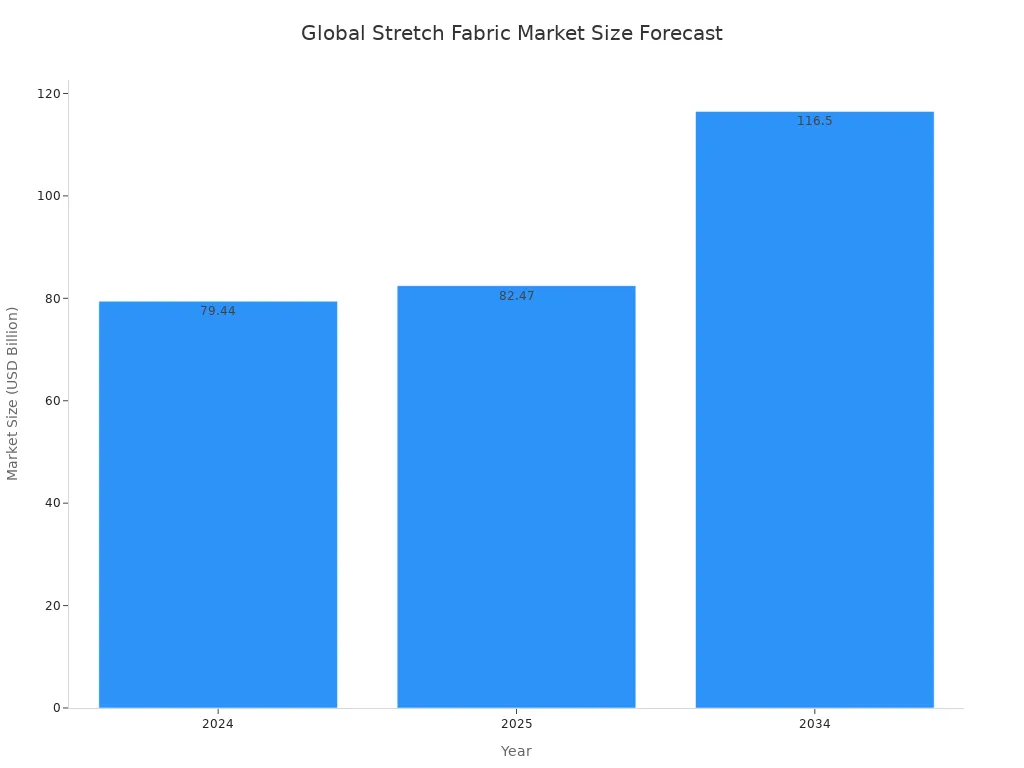
Lycra knit fabrics offer unparalleled elasticity and shape retention, making them a top choice for both high-performance sportswear and comfortable everyday apparel. The global Lycra fabric market is expanding rapidly, projected to reach $82.47 billion by 2025. This growth underscores Lycra’s leading position in the high-performance apparel sector.
This unique blend of comfort and flexibility provides a comfortable fit for everyday life. The Lycra fibers in the fabric ensure garments move with the wearer, offering lasting comfort.
Key Takeaways
- Lycra jersey knitted fabric boasts exceptional elasticity and resists deformation. This makes it ideal for creating both sportswear and comfortable everyday clothing.
- Lycra’s elasticity stems from its unique fibers and weave. This allows the garment to stretch and move with the body.
- Lycra is perfect for sportswear because it allows for unrestricted movement. It also provides muscle support and is durable.
- Lycra makes everyday clothing comfortable and keeps garments looking their best all day. It wrinkles easily and prevents garments from sagging or losing their shape.
- Garnishes made of Lycra should be washed in cold water and air-dried. Never use fabric softener or tumble dry at high temperatures.
What Makes Lycra Jersey Fabric So Stretchy?
The incredible stretch of Lycra jersey fabric comes from a smart combination of fiber science and fabric construction. This pairing creates a material that offers superior comfort and performance. Understanding these two elements reveals why this fabric is a top choice for both activewear and everyday apparel.
The Science Behind Lycra Fabric
The secret of Lycra fabric begins at the molecular level. Lycra, also known as spandex, is a synthetic fiber made from a polyurethane-urea copolymer. This chemical structure contains soft segments to provide flexibility, and stiff segments to enhance structural strength. This unique composition allows spandex fibers to stretch significantly and return to their original shape. When spandex is blended with cotton Lycra fabric, it imparts elasticity to the fabric. The resulting cotton Lycra fabric has exceptional elasticity, making it ideal for clothing that requires freedom of movement. Lycra fabric itself is a masterpiece of modern textile engineering.
Did you know? Lycra fibers are never used alone; they are always blended with other fibers, such as cotton or polyester. Even adding just a small amount of Lycra can transform ordinary cotton Lycra fabric, giving it outstanding elasticity and resilience. This makes cotton Lycra fabric a versatile choice.
The Role of Jersey Knit Construction
The knitting structure also plays a crucial role. Plain knit fabrics are created by interlacing single yarns in a continuous loop structure. This method differs significantly from woven fabrics, where yarns are interlaced.
- The loop knitting process gives the fabric a natural, inherent elasticity.
- It also provides excellent breathability, allowing air to circulate freely.
- This structure makes cotton Lycra fabric feel soft and gentle against the skin.
The combination of Lycra fibers and knitted fabric enhances the fabric’s natural elasticity. Cotton Lycra combines the elasticity of fibers with the mechanical stretch of the knitting process. This synergistic effect of cotton Lycra ensures ultimate comfort when worn.
Understanding Four-Way Stretch
Fabrics come in a variety of elastic types. Four-way stretch is the gold standard for high-performance clothing. This means the fabric can stretch and return to its original shape in both the horizontal and vertical directions. Cotton Lycra fabric possesses this property, providing exceptional elasticity and freedom of movement. The perfect blend of cotton and Lycra creates a fabric that combines excellent elasticity and breathability. This cotton Lycra fabric allows for movement in all directions, making it ideal for yoga, running, or dealing with a busy day. The addition of Lycra spandex ensures that the cotton Lycra fabric is durable and resistant to deformation.
Why Stretch is Ideal for Activewear
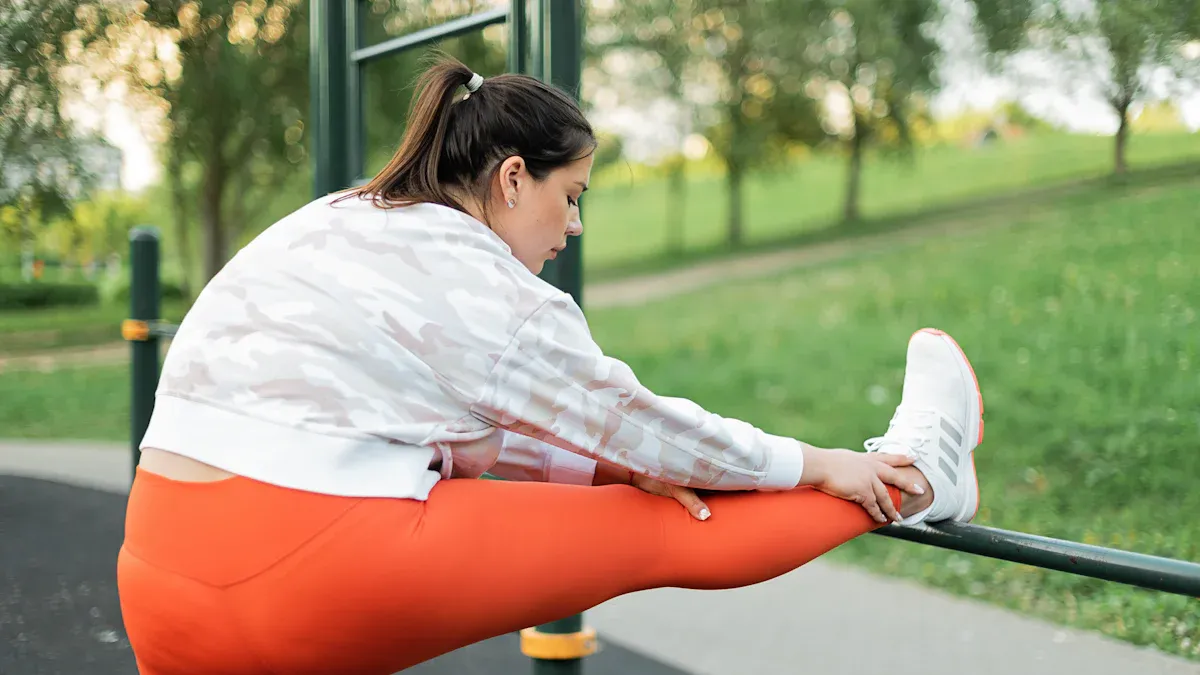
The unique properties of stretch fabrics make them ideal for activewear. Athletes and fitness enthusiasts require garments that support their bodies without hindering performance. Lycra jersey fabric provides the perfect solution. It combines flexibility, support, and durability into a single high-performance material. This makes it a superior choice for any type of athletic clothing.
Unrestricted Movement for Peak Performance
Peak athletic performance demands complete freedom of movement. Clothing made from stretch fabrics conforms to the body’s movements without any restriction. This characteristic is crucial for dynamic sports such as yoga, running, or sprinting. The fabric moves with the athlete, ensuring an unrestricted range of motion. This helps prevent chafing or irritation, avoiding any impact on performance. Athletes can fully concentrate on their goals.
The superior elasticity comes from fibers such as spandex. Lycra, a well-known brand of spandex, can stretch up to five times its original length and quickly return to its original shape. This superior property gives Lycra fabric its signature elasticity and resilience. Therefore, sportswear made from Lycra enhances an athlete’s endurance and flexibility. Unrestricted movement improves comfort and allows the body to move naturally, thus helping to prevent sports injuries.
Muscle Support and Compression Benefits
Modern activewear does more than just provide coverage. Garments with a higher percentage of spandex offer Modern sportswear serves far more than just covering the body. Garments with a high proportion of spandex provide excellent compression, enhancing athletic performance and promoting recovery. The spandex content in the fabric determines its level of compression. Sportswear typically contains 15-20% spandex to effectively support muscles. This level of compression offers numerous advantages.
- Performance Advantages: Compression increases blood flow and oxygen delivery to muscles. It also reduces muscle vibration during high-intensity exercise, thus alleviating functional stress and improving muscle control.
- Recovery Benefits: Studies have shown that compression therapy has a significant positive effect on post-exercise muscle soreness and fatigue. It helps reduce swelling and improves blood circulation, thereby accelerating recovery.
- Enhanced Proprioception: Compression clothing can improve body awareness, also known as proprioception. This helps athletes maintain better posture and movement, which is especially important for high-level athletes.
Appropriate compression is key to maximizing these benefits. Garments with insufficient spandex content offer limited support, while garments with excessive spandex content restrict movement and reduce breathability.
Evidence of performance and recovery gets more favourable when the sizing of the garment is appropriate and when there is sufficient pressure (e.g., 14 – 19 mmHg at the thigh and 19 – 24 mmHg at the calf).
The inclusion of Lycra ensures that the lycra fabric provides this supportive pressure without sacrificing comfort.
Durability for Intense Workouts
Intense workouts demand resilience to wear and tear. The constant pulling, stretching, and friction can quickly degrade inferior fabrics. High-quality lycra fabric is engineered to withstand these challenges. The spandex fibers not only provide elasticity but also contribute to the fabric’s overall strength. This ensures the garment maintains its shape and integrity through countless training sessions and washes.
Manufacturers use several industry-standard tests to measure the durability of technical fabrics. These tests simulate the stresses that activewear endures.
- Abrasion Resistance: The Wyzenbeek test measures how many “double rubs” a fabric can withstand before showing significant wear. High-performance fabrics often endure over 100,000 cycles.
- Tensile Strength: Tests like the Strip Test (ASTM D5035) and Grab Test (ASTM D5034) evaluate how the fabric handles tension and localized stress.
- Bursting Strength: This test is critical for knit fabrics. It measures the pressure required to burst the material, simulating stress at points like the knees or elbows.
These rigorous quality checks ensure that garments made with Lycra can handle the demands of any workout, offering lasting performance and value.
The Benefits of Lycra in Everyday Fashion
Lycra’s influence extends far beyond the gym. Its unique properties have revolutionized everyday fashion, perfectly blending style, function, and comfort. Garments made from Lycra fabric create a lasting, sophisticated look and are essential items in the modern wardrobe. The versatility of cotton Lycra makes it ideal for everyday wear.
All-Day Comfort That Moves With You
Modern consumers prioritize comfort when choosing clothing. This trend reflects a desire for garments that adapt to a fast-paced lifestyle while offering a sense of ease and comfort. The elasticity of Lycra fabric makes this possible. Recent research also confirms this shift in consumer behavior.
- A 2024 global survey found that while fit was the primary reason for buying jeans (87%), comfort followed closely behind at 85%.
- Another report indicates that comfortable clothing such as sweatshirts and sweatpants is projected to account for 31% of clothing spending in the United States, as people seek comfort and solace in their daily lives.
Lycra knit fabric meets this need, providing a close-fitting and comfortable wearing experience. The perfect blend of soft fibers like cotton and the elasticity of spandex creates a highly breathable fabric. This characteristic keeps the wearer comfortable in any season. The fabric moves with the body, providing a soft, wrap-around feel rather than a restrictive one, ensuring comfort all day long. spandex creates a material with excellent breathability. This quality keeps the wearer comfortable in any season. The fabric moves with the body, providing a gentle hug rather than a restrictive hold, ensuring all-day comfort.
A Flawless, Wrinkle-Resistant Fit
A crisp, polished appearance is easy to achieve with Lycra fabric. One of its most practical benefits is its natural Lycra fabric effortlessly creates a crisp, shiny look. One of its most practical advantages is its natural wrinkle resistance. The science behind this lies in the molecular structure of spandex. Elastic fibers allow the fabric to stretch and return to its original shape, effectively eliminating wrinkles that are difficult to remove in other, less elastic fabrics.
This property makes Lycra blends ideal for travel and busy schedules. Even after just being taken out of your suitcase or worn all day, garments maintain a smooth, fresh look. Even small amounts of Lycra can make a significant difference.
Did you know? Lab tests show that adding just 2% Lycra to cotton fabric can reduce wrinkles by 40%. This means less ironing time and more time enjoying a perfectly fitted feel.
This wrinkle-resistant property ensures garments look like new from morning till night. The fabric’s lightweight comfort further enhances its appeal for everyday wear.
Shape Retention for a Lasting Silhouette
Garments that lose their shape look worn and ill-fitting. Baggy knees and sagging elbows can ruin a silhouette. Clothes lose their shape and become worn and ill-fitting. Loosening at the knees and drooping at the elbows ruins the overall silhouette. Lycra fabric solves this problem perfectly thanks to its superior shape retention. The key lies in the high “resilience” of spandex fibers. After stretching, these fibers quickly return to their original shape.
This elasticity prevents the fabric from deforming in areas of high stress.
- The unique helical structure of elastic fibers gives it lasting resilience.
- This structure supports multi-directional movement while maintaining the garment’s silhouette.
- It effectively prevents loosening at the knees and elbows, ensuring a neat and fitted look every time you wear it.
This superior shape retention means your favorite T-shirts, leggings, and dresses will maintain their ideal shape for longer. The addition of Lycra fibers ensures lasting quality and keeps your everyday outfits looking great.
Choosing the Right Garment: A Buyer’s Guide
Choosing the right stretch clothing is more than just about style. Understanding fabric labels, assessing quality, and knowing fabric weight helps consumers make informed choices. This guide will provide you with the essential knowledge you need to select durable and comfortable garments.
How to Read Fabric Composition Labels
Fabric labels offer crucial information about a garment’s content and performance. Both the US and EU have Fabric labels provide crucial information about the composition and performance of clothing. Both the US and the EU have specific legal requirements for these labels.
- Labels must be arranged in descending order of fiber content percentage.
- In the US, fibers comprising less than 5% of the total weight are typically classified as “other fibers.”
- The terms “100%” or “all” specifically refer to items made entirely of a single fiber.
Consumers may notice that the same elastic fiber has different names in different regions. Spandex, elastic fiber, and Lycra all refer to the same polyurethane-based material. The name on the label simply varies by region and brand.
| Region | Legal Fiber Term | Example Label |
|---|---|---|
| USA | Spandex | 90% Cotton, 10% Spandex |
| EU / UK | Elastane | 90% Cotton, 10% Elastane |
Lycra is a global trademark representing a premium version of this fiber. A high-quality cotton lycra fabric will clearly state its composition. Reading the label on a cotton lycra fabric helps set expectations for stretch and care.
Identifying Quality in Stretch Apparel
High-quality cotton lycra fabric has distinct visual and tactile characteristics. Shoppers can look for several indicators to avoid poor-quality items. A premium cotton lycra fabric should not have obvious flaws.
Quality Checklist:
- Visual Cues: Look for even color without streaks or shiny patches. The cotton lycra fabric should be free of snags, holes, or curling edges.
- Tactile Test: Rub a small area of the cotton lycra fabric. A quality cotton lycra fabric will not shed fibers or feel fuzzy, indicating good resistance to pilling.
These simple checks ensure the cotton lycra fabric will perform well over time. A well-made cotton lycra fabric maintains its appearance after many wears.
The Difference in Fabric Weight and Feel
The weight of a fabric, usually measured in grams per square meter (GSM), determines the feel and function of a garment. Lightweight cotton-Lycra fabrics are perfect for summer T-shirts and dresses. Heavier cotton-Lycra fabrics offer more structure and are ideal for leggings or sportswear. The Lycra content also affects the fabric’s feel. Higher Lycra content results in better compressibility and a smoother feel. Lower Lycra content leads to softer and more breathable fabrics.
Must-Have Styles in Lycra Jersey
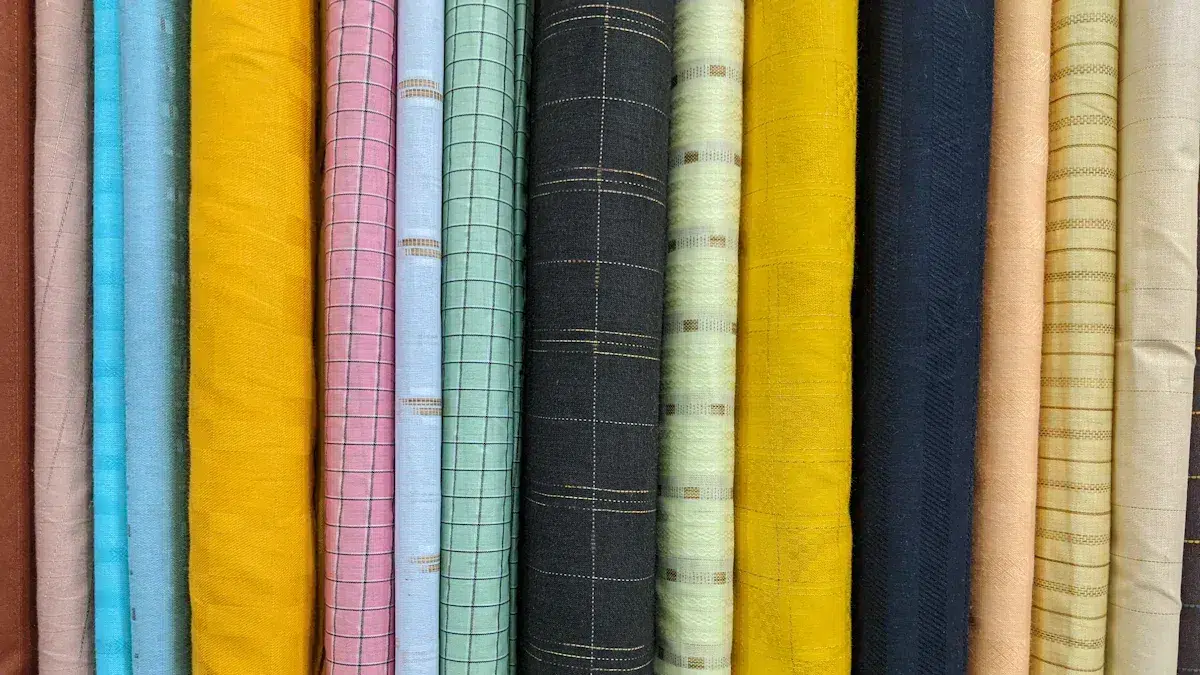
The unique properties of Lycra knit fabric make it a must-have in the modern wardrobe. Combining comfort and functionality, it excels in all types of clothing. From high-intensity sportswear to everyday casual wear, this fabric enhances both the style and function of garments.
Essential Activewear from Suerte
Quality activewear is essential for peak performance. Suerte Textile provides a range of garments that leverage the power of Lycra for superior stretch and support. These pieces are designed to move with the body, offering unrestricted motion during any workout.
- Leggings
- T-shirts
- Sports bras
- Training tops
Each item is crafted to provide lasting comfort and durability, making them reliable choices for fitness enthusiasts.
Versatile Leggings for Gym and Street Style
Leggings are no longer confined to the gym; they’ve become a fashion staple. Their versatility allows them to easily handle various occasions, from sporty to casual. Stylists suggest pairing leggings with a loose-fitting blazer and ballet flats for a polished professional look. Contrast is key; mixing athletic leggings with feminine footwear creates an interesting visual effect. For a classic look, try black leggings with a striped knit top and denim jacket. This versatility makes them a wardrobe essential.
Everyday Staples: Tees, Dresses, and More
Lycra fabric’s advantages extend far beyond sportswear. This fabric enhances everyday comfort, providing a perfect fit and excellent shape retention. A simple Lycra T-shirt drapes beautifully and resists wrinkles. Dresses with a touch of Lycra hug the body without feeling restrictive. These garments are lightweight and comfortable, ideal for everyday wear. They allow for a sophisticated look all day long, fully showcasing the value of this innovative fiber in modern fashion.
How to Care for Your Lycra Garments
Proper care can extend the lifespan and performance of your beloved stretch garments. Following simple washing, drying, and storage guidelines will ensure your cotton Lycra fabric retains its signature elasticity and fit for years to come.
Best Practices for Washing
Properly washing cotton Lycra fabric is the first step to maintaining its quality. A gentle or fine wash cycle and cold water are recommended. Experts advise that the water temperature should not exceed 30 degrees Celsius (86 degrees Fahrenheit) to protect the elastic fibers. Excessive heat can damage cotton Lycra fabric, causing it to deform. Using a mild detergent designed for delicate garments is also a wise choice for washing cotton Lycra fabric.
Important Note: Never use fabric softener or dryer sheets on cotton Lycra fabric. Fabric softener acts like wax and will clog the pores of cotton Lycra fabric. This clogging will impair the fabric’s absorbency.
Following these steps will keep your cotton Lycra fabric in good condition.
Drying Rules to Preserve Elasticity
High temperatures can damage the elasticity of fabrics. People should avoid using high-temperature dryers to tumble dry any cotton Lycra fabric. The best method is to air dry naturally. You can lay cotton Lycra fabric flat to dry or hang it on a clothesline. The quick-drying properties of this fabric make it a fast and efficient option. This gentle drying method prevents high temperatures from damaging the Lycra fibers in the cotton Lycra fabric. The quick-drying properties also mean that the garment can be worn again very soon.
Proper Storage to Maintain Shape
How you store your garments matters. Owners should store items made from cotton lycra fabric flat in a drawer or on a shelf. This practice helps the clothing keep its original shape and elasticity. Avoid hanging a cotton lycra fabric, as the weight of the garment can cause the Lycra fibers to stretch out over time. It is also best to keep the apparel in a cool, dark environment. Direct sunlight can cause colors to fade and may lead to material degradation of the cotton lycra fabric.
The superior stretch of Lycra jersey fabric comes from a powerful combination of elastic fibers and a flexible knit structure. This blend offers unmatched comfort for everyday clothing. Following simple care instructions ensures your favorite stretch garments maintain their performance and shape for years to come.
Consumers can experience the superior comfort and performance of Lycra fabric for themselves. Check the labels on your next clothing purchase from brands like Suerte to feel the difference.
FAQ
Is there a difference between Lycra, spandex, and elastane?
Yes, but only in name. These terms all refer to the same elastic fiber. Lycra is a registered trademark for a premium brand of this fiber. Spandex is the generic term used in the US, while elastane is the term used in Europe.
Can Lycra jersey fabric be customized?
Absolutely. Expert manufacturers like Suerte offer extensive customization. This includes options like digital printing, unique dyeing, and embroidery. Companies can create fabrics that meet specific design and performance requirements for their apparel lines.
Is Lycra jersey suitable for all climates?
This fabric is versatile and suitable for various climates. Lightweight cotton blends offer excellent breathability, ideal for warm weather. Heavier fabrics provide superior warmth, maintaining comfort even in colder conditions. This fabric adapts well to different environmental needs.
How much Lycra is needed for good stretch?
The Lycra fiber content determines the fabric’s elasticity. A small amount of Lycra fiber (approximately 2-5%) can increase everyday comfort and shaping. Sportswear typically contains 15-20% Lycra fiber to provide significant compression and flexibility during strenuous activity.