
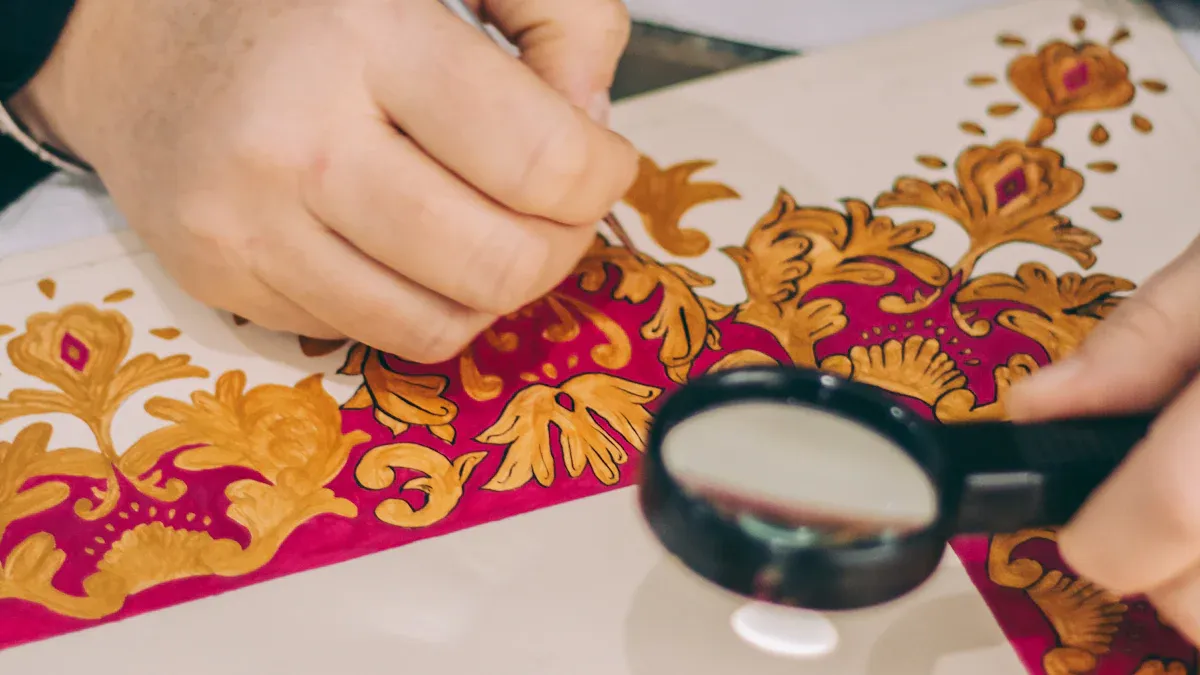
Unleash your creativity with Jacquard Textile Paints. Transform any fabric into a unique masterpiece. This tutorial will show you how to create striking and long-lasting designs using Jacquard Textile Paints. Choose your favorite fabric and experience the joy of easily creating professional-grade artwork. Achieve vibrant colors that remain brilliant even after multiple washes. With this tutorial, you’ll master the techniques to complete any fabric project from start to finish. Bring your creative vision to life and make every piece of fabric stand out.
Key Takeaways
- Jacquard Textile Paints offer vibrant, long-lasting colors and maintain softness and flexibility on a variety of fabrics, including cotton, polyester, and bamboo.
- When preparing your fabric, wash and iron it first, and choose tightly woven fabrics to ensure even paint application and lasting results.
- Apply thin, even layers of paint and use tools like brushes, sponges, and stencils to create crisp designs and avoid cracking or bleeding.
- Heat-set your painted fabric with an iron or dryer to lock in the color and ensure your design remains vibrant and durable after washing.
- Combine Jacquard paints with other techniques, such as embroidery or dyeing, to create unique, personalized fabric art that reflects your style.
Why Jacquard Paint Fabric Stands Out
Unique Qualities of Jacquard Fabric Paint
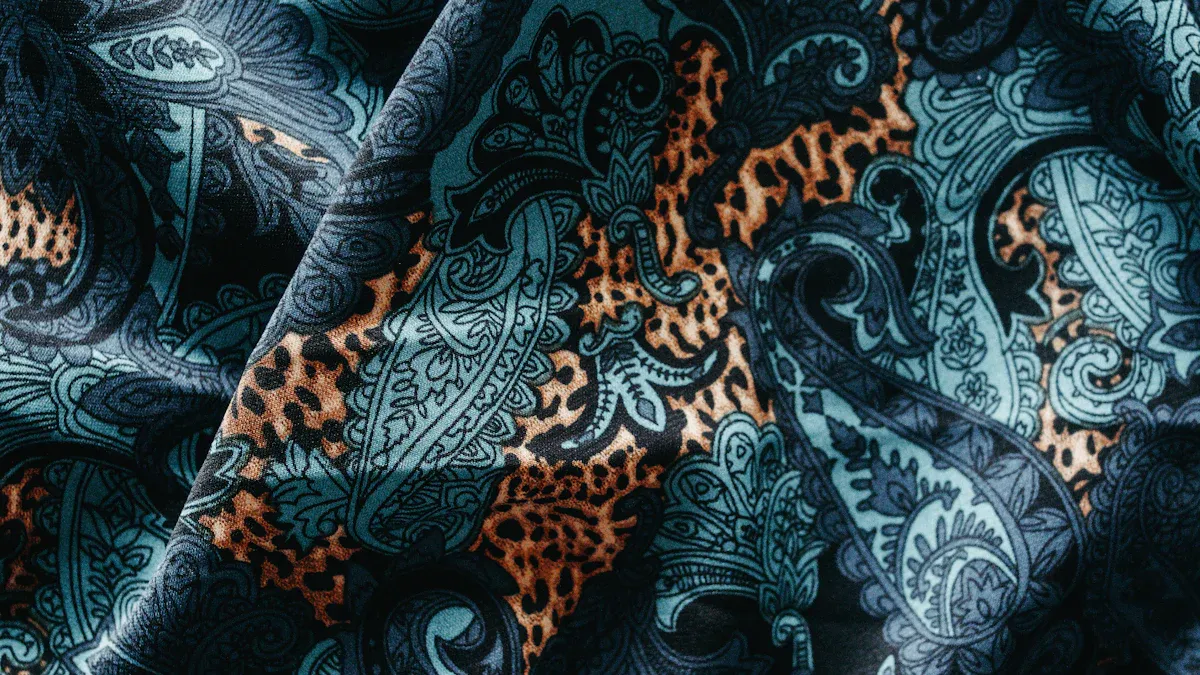
You want your fabric creations to look stunning and last. Jacquard Textile Paints deliver. This textile paint stands out because it provides rich color and smooth coverage on almost any fabric. You can use it on cotton, polyester, bamboo, and even leather. The paint remains soft after drying, so your fabric feels comfortable to the touch. You have a wide range of color options, from vibrant primary colors to deep metallic shades. The paint won’t fade, even after multiple washes. You can mix colors to create your own custom shades. This versatility makes Jacquard Textile Paints the top choice for fabric painting.
Types of Jacquard Paint Fabric and Suerte Options
When choosing Jacquard fabric paints, you have many options. Each paint has unique characteristics to meet your individual design needs. For example, Lumiere offers metallic and pearlescent effects. Textile Color is suitable for creating soft, translucent textures. Neopaque paints are rich and vibrant, easily covering dark fabrics. Dy-Na-Flow paints are smooth and easy to apply on light-colored fabrics, feeling almost weightless.
Suerte Textile offers a wide variety of base fabrics to help you unleash your creativity. You can choose from polyester knit fabrics, bamboo fiber knit fabrics, jacquard fabrics, rayon blends, and more. Suerte also provides digital printing, embroidery, and dyeing services. We offer fast sample verification and responsive service. This one-stop service helps you find the perfect fabric paints and fabrics for your project.
Tip: Try mixing different Jacquard pigment series to achieve unique patterns and texture effects on your fabrics.
| Jacquard Paint Line | Reported Benefits by Artists and Crafters |
|---|---|
| Lumiere | High-quality metallic and pearlescent effects; excellent adhesion and durability; suitable for natural and synthetic fabrics, including leather; can be mixed to create custom colors and transparencies; suitable for creating three-dimensional effects. |
| Textile Color | Professional-grade quality; semi-transparent, soft texture after drying; suitable for a variety of fabrics; can be diluted or made more transparent; can be mixed with each other; washable and colorfast. |
| Neopaque | High pigment content, completely opaque, ideal for dark fabrics; thicker texture, but still soft; can be diluted; the preferred choice for achieving complete coverage and thick textures. |
| Dy-Na-Flow | Lightweight texture, high color saturation, transparent; ideal for lightweight fabrics such as silk; light to the touch; washable and durable; compatible with airbrush systems; can be mixed. |
Benefits for Customizing Fabric
You can transform ordinary fabrics into unique works of art using textile paints. Jacquard textile paints allow you to create custom designs that reflect your personal style. The paints blend seamlessly with the fabric, resulting in vibrant colors and crisp lines. You can use techniques such as stenciling, freehand painting, or even airbrushing. This paint is suitable for a variety of fabrics, so you can decorate shirts, bags, or home decor items. The designs are soft, flexible, and fade-resistant. You can confidently wash the fabric without worrying about fading. With Jacquard textile paints, the creative possibilities are endless.
Preparing Fabric and Workspace for Painting
Choosing the Best Fabric for Paint Fabric Projects
You want your custom designs to be crisp, beautiful, and long-lasting. First, choosing the right fabric is crucial. Cotton is an ideal choice for most painting projects. It absorbs color well and resists fading. Polyester knits, bamboo knits, and rayon blends also yield excellent results. Suerte Textile offers a wide variety of fabrics to help you bring your creative vision to life. It’s recommended to test the paint on a small piece of undyed, bleached, or combed cotton fabric first.
Tip: Choose tightly woven fabrics for crisp lines and even color application.
Prepping Fabric: Washing, Ironing, and More
Proper fabric preparation allows the paint to adhere better to the fabric and extends the longevity of the design. Before you begin painting, be sure to wash the fabric. This removes any oils, dirt, and sizing that might prevent the paint from adhering. Dry the fabric and iron it flat for a smooth surface. Avoid using fabric softeners, as they may leave residue. For best results, follow these steps:
Wash the fabric with warm water and a mild detergent.
- Dry the fabric thoroughly.
- Iron the fabric to remove wrinkles.
- Test the paint on a scrap piece of fabric.
- Dilute the paint with the manufacturer’s recommended diluent, not water.
- Heat set the paint after it dries. Use an iron and iron for the time listed on the paint label. This step allows the pigment to adhere firmly to the fabric and enhances colorfastness.
Note: After heat setting, let the fabric sit for a while. This helps the pigment adhere fully and ensures your design remains vibrant after washing.
Setting Up a Workspace for Fabric Paint Success
A good workspace helps you concentrate and keeps your fabric clean. Choose a flat, stable table with good lighting. Cover your work area with a plastic sheet or dust cover to prevent paint from splashing onto the table. Before you begin, gather all your tools. You’ll need brushes, sponges, stencils, and your chosen fabric paints. Keep a roll of paper towels nearby for quick cleanups.
| Workspace Checklist | Why It Matters |
|---|---|
| Flat surface | Prevents paint runs |
| Good lighting | Shows true colors |
| Protective cover | Keeps area clean |
| Tools ready | Saves time |
| Ventilation | Keeps air fresh |
Keep your work area tidy and keep the fabric flat while you work. This helps the paint spread evenly and achieve the best results. With the right setup, you can create stunning fabric art every time.
How to Paint Fabric with Jacquard Paint
Essential Tools and Materials for Fabric Paint
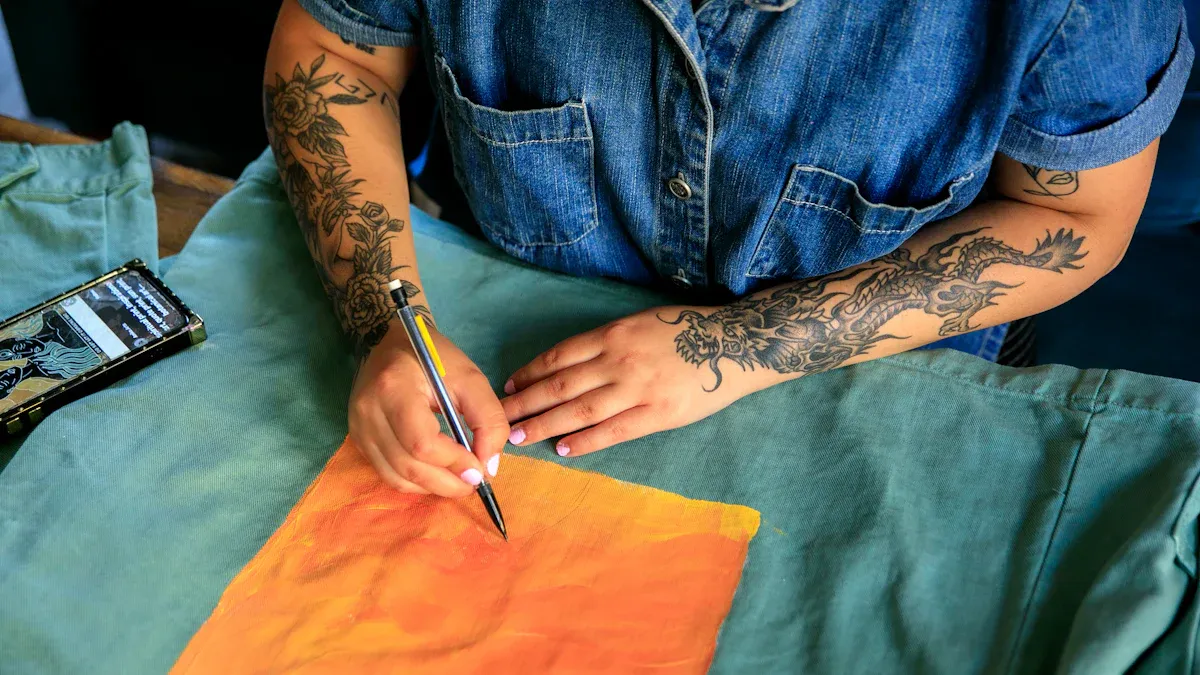
You need the right tools to master fabric painting techniques. First, choose high-quality fabric paints. Jacquard fabric paints are vibrant and have a soft texture. Select brushes in various sizes for detail work and overall coverage. Foam brushes and sponges help spread the paint evenly. Stencil brushes are useful for creating crisp edges and correcting mistakes. Always have a heat source, such as an iron or hairdryer, ready to set your design.
| Tool/Material | Purpose |
|---|---|
| Fabric paint | Adds color and design to fabric |
| Brushes (variety) | Controls detail, coverage, and texture |
| Sponges/foam | Smooth application and blending |
| Stencil brushes | Sharp edges for stenciling |
| Palette | Mixes and thins paint |
| Freezer paper | Stabilizes fabric, prevents bleeding |
| Painter’s tape | Holds fabric and stencils in place |
| Iron/dryer | Heat sets paint for durability |
Tip: Always test your fabric paints on a small piece of fabric before starting your main project. This step helps you understand how the colors will look and how the paint reacts with your chosen fabric.
Basic Application Techniques for Paint Fabric
You want your design to look smooth and even. Use these basic techniques for the best fabric paint results:
- Use a sponge, cotton swab, or stencil brush. Apply the paint to the fabric with a light dabbing motion. This prevents the paint from seeping under the stencil.
- Apply multiple thin layers of paint. Thick layers of paint are prone to cracking or peeling. Thin layers dry faster and provide more even color.
- Experiment with sponging, scraping, or stamping techniques. Tools like old credit cards or plastic knives can create unique textures.
- Use freezer paper as a stencil and stabilizer. This keeps the fabric flat and reduces paint bleed.
- Painting on dry fabric yields vibrant colors and crisp lines. Wetting the fabric before painting creates a soft, abstract effect.
- Allow the painted fabric to air dry for two to three days. Heat set the finished fabric in a hot dryer for 30 to 60 minutes. This step sets the color and makes your work more durable.
Note: For metallic paints, if you plan to spray, dilute the paint thoroughly. Clean the nozzle frequently to prevent clogging.
These techniques will help you better control the paint and achieve professional results. You can use them for any fabric painting project, from shirts to home decor.
Advanced Techniques: Stenciling, Layering, and Blending
You can take your fabric painting projects to the next level with advanced techniques. Start by washing and ironing your fabric. This removes sizing and wrinkles, allowing the paint to adhere better. When stenciling, secure the fabric to a board with tape or adhesive. This prevents the fabric from shifting. Use a stencil brush and gently dab the paint. Do not rub, as this may cause the fabric to move. The best way to achieve blending effects is to slightly dampen the fabric. The colors will blend together for a soft effect. Do not soak the fabric, or the paint will run. Use different brushes for shading and coverage. Flat brushes cover large areas. Fine-tipped brushes create thin lines. Sponge brushes help with blending. Jacquard fabric paints are flexible and non-toxic. Always heat-set your finished designs to make them permanent.
These advanced techniques allow you to create multi-layered effects and intricate designs. You can combine stenciling, layering, and blending to make your fabric artwork stand out. This tutorial will equip you with the skills to use fabric paint as a powerful medium for custom projects. Tip: Experiment with different techniques and tools. You’ll discover new ways to express your creativity with fabric paint.
How to Achieve Even Coverage and Crisp Edges on Fabric
You want your custom designs to look polished and professional. Achieving even coverage and crisp edges on fabric will make your work stand out. With the right approach and a few simple techniques, you can easily achieve this.
First, choose a smooth, tightly woven fabric. This type of fabric helps the paint spread evenly. Before you begin, be sure to flatten the fabric. Secure it with masking tape or clips. Wrinkles or folds can cause paint to pool or bleed.
Apply the paint in thin, even layers. Applying the paint too thickly can cause it to crack or peel after washing. Use a soft brush or sponge applicator for a smooth coating. Move the brush in one direction. Overlapping strokes will leave marks. Allow each layer of paint to dry completely before applying the next. This method will give you rich color without streaks.
For crisp edges, use a stencil or masking tape. Press the stencil or tape firmly onto the fabric. This step prevents the paint from bleeding underneath. Gently dab the paint with a stencil brush or sponge. Avoid brushing back and forth. Remove the stencil or tape while the paint is still slightly damp for the cleanest lines.
Tip: Test the paint on a scrap piece of fabric first. This will help you understand how the paint applies and the amount of pressure you need to use.
If you want to know how to paint on fabric with crisp lines, try these steps:
- Wash and iron your fabric.
- Secure the fabric to your work surface.
- Place the stencil or tape where you want your design to be.
- Dip a small amount of paint onto your brush.
- Gently dab the paint onto the fabric, working from the edges inward. Remove the stencil or tape before the paint is completely dry.
You can use a table to compare the effectiveness of different tools in achieving clean edges: clean edges:
| Tool | Best Use | Result on Fabric |
|---|---|---|
| Stencil brush | Stenciling, small areas | Crisp, defined edges |
| Foam sponge | Large areas, blending | Smooth, even coverage |
| Fine liner brush | Outlining, details | Sharp, thin lines |
You can also use a palette knife to create special effects. Gently drag the palette knife across the fabric surface to create textured lines. This technique is especially effective with thicker paints.
By mastering these techniques, you’ll have better control over your fabric painting projects. You can avoid blurry edges and uneven color application, making your fabric artwork look refined and professional.
Tip: Be sure to heat-set your finished work. This step will permanently fix the paint to the fabric and ensure that the edges remain crisp after washing.
Now you have the tools and knowledge you need to confidently create fabric paintings. Crisp edges and even color coverage will transform your creative ideas into stunning and long-lasting works of art.e to paint fabric with confidence. Clean edges and even coverage turn your ideas into stunning, lasting creations.
Troubleshooting and Pro Tips for Fabric Paint
Fixing Common Paint Fabric Mistakes
Mistakes are bound to happen when working with fabric paints, but most problems can be solved with a few simple steps. If you find the paint is uneven or streaky, let the fabric dry. Then, apply another thin layer of paint to even out the color. If the paint bleeds outside the design, wipe away the excess paint with a damp cotton swab before the paint dries. If the edges are rough after the paint dries, you can touch them up with a small brush dipped in the same color paint. If the paint cracks, it’s usually because the layer is too thick. Applying a thin layer of fabric paint will result in a smoother finish. After each application of paint, allow each layer to dry completely before applying the next. This method will keep your fabric looking clean, neat, and professional.
Tip: Always test the paint on a small piece of fabric before starting your main project. This step will help you avoid unexpected problems.
Ensuring Colorfastness and Durability
You want your custom designs to last. To ensure your fabric paints remain vibrant and durable, follow these steps:
- Wash the fabric before painting to remove oils and dirt.
- Use thin, even coats for better adhesion.
- After the paint dries, heat-set the design. Use an iron or dryer to heat-set according to the instructions on the paint label.
Scientific testing shows that the dyed fabric achieves excellent colorfastness and durability. Tests conducted using ISO standards found high scores for wash fastness, abrasion resistance, and pilling resistance. These results mean your painted fabric will retain its vibrant colors after multiple washes and will resist wear and tear. You can trust that your designs will remain bright and beautiful.
| Step | Why It Matters |
|---|---|
| Pre-wash fabric | Removes barriers to paint |
| Thin paint layers | Prevents cracking |
| Heat setting | Locks in color |
Cleaning and Caring for Painted Fabric
Proper care keeps your painted fabric looking new. Wash your fabric gently in cool or warm water with mild detergent. Choose a gentle cycle for machine washing. Air dry your fabric flat or use low heat in the dryer. Avoid hot water, bleach, and harsh chemicals. These can damage both the fabric and the paint. For delicate fabrics, hand wash with mild soap and cold water. Store your fabric in a cool, dry place away from sunlight. Use acid-free tissue paper if you need to store painted fabric for a long time. When ironing, keep the fabric slightly damp and use low heat to protect the paint and color.
Callout: Gentle care and proper storage help your fabric paint designs last for years.
Creative Applications and Customization Ideas
Pattern and Motif Inspiration for Fabric Paint
With the right patterns or designs, you can transform any fabric into a work of art. Experiment with bold geometric shapes for a modern look. If you prefer a softer, classic style, use floral patterns. Animal prints can add a playful touch to shirts, bags, or pillows. You can even create your own symbols or doodles for a personalized style. Find inspiration in nature, magazines, or your favorite works of art. Sketch out your ideas on paper before you begin painting. Add some small details. Mix and match different patterns to make your fabric stand out.
Tip: Use masking tape to create crisp lines and edges for your patterns.
Combining Jacquard Paint Fabric with Other Mediums
Combining Jacquard Fabric Paints with Other Mediums
Combining Jacquard fabric paints with other art forms opens up endless creative possibilities. Try adding embroidery to painted fabric. This technique adds texture and dimension to your work. Dye the fabric first, then use paint to highlight certain areas. Screen printing works well with fabric paints, creating striking and repetitive patterns that give your fabric a whole new feel. You’ll end up with a unique piece that showcases your style and creativity.
Hint: Experiment with embroidery, dyeing, and screen printing to make your fabric art truly unique.
Project Ideas for All Skill Levels
You can start with simple projects and move on to more advanced ones as your confidence grows. Here are some ideas for different skill levels:
- Beginner: Paint a tote bag with your favorite colors and simple shapes.
- Intermediate: Create a set of napkins with stenciled patterns and layered colors.
- Advanced: Design a jacket using fabric paints, embroidery, and dyes for a mixed-media effect.
| Project Type | Skill Level | Materials Needed |
|---|---|---|
| Tote Bag | Beginner | Fabric paint, brushes |
| Napkins | Intermediate | Paint, stencils, sponges |
| Jacket | Advanced | Paint, dye, embroidery kit |
You can use fabric paints on shirts, scarves, pillowcases, and even shoes. Experiment with new techniques and combine different materials. Each project will help you learn more about fabrics and paints. With each completed piece, you’ll see your skills improve.
With just a few simple steps, you can master the art of painting on jacquard fabrics and create personalized designs.
- Prepare your fabric by sketching your design onto it with a pencil.
- Choose the right fabric and select appropriate paints and brushes.
- Apply the paint using dry or wet techniques, depending on the fabric and the desired effect.
- Use stencils for crisp patterns and layer the paint for added depth.
- Allow the fabric to dry, then heat-set the paint to ensure it’s permanent.
- Handle the fabric gently and choose fabrics suitable for the paint to achieve lasting results.
Experiment with fabrics and paints to create new works of art. You’ll enjoy the process and feel proud when you see your unique, professional-quality fabric creations.
FAQ
How do I keep fabric soft after using Jacquard paints?
You can apply several thin layers of paint to maintain the fabric’s softness. Allow each layer to dry completely before applying the next. Be sure to heat-set the paint according to the instructions. This process helps the paint adhere better to the fabric without making it stiff.
Are Jacquard paints suitable for all types of fabric?
Jacquard paints are suitable for a variety of fabrics. Cotton, polyester, bamboo fiber, and rayon blends all work well. Always test on a small piece of fabric before use. Some fabrics absorb the paint better and produce brighter colors.
How do I prevent paint from bleeding on the fabric?
Choosing tightly woven fabrics can prevent paint bleeding. Lay the fabric flat and secure it before painting. Use stencils or masking tape for crisp edges. Apply the paint with a dabbing motion rather than brushing back and forth.
What is the best way to wash fabric painted with Jacquard paints?
Gently wash painted fabric in cold or warm water. Use a mild detergent. Air dry or tumble dry on low heat. Avoid bleach and harsh chemicals. Proper care will keep your fabric designs looking fresh.
Can Jacquard paints be combined with other fabric techniques?
You can combine Jacquard paints with techniques such as embroidery, dyeing, or screen printing. This combination can create unique effects on the fabric. Experiment with layering different techniques to make your work stand out.


