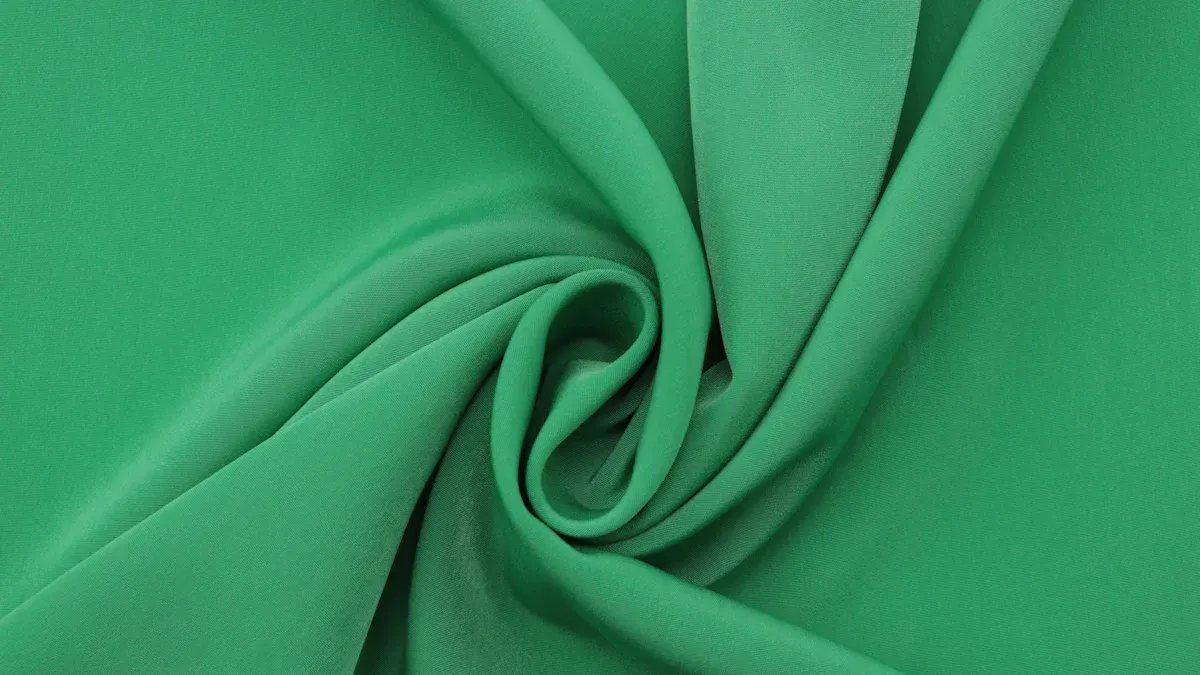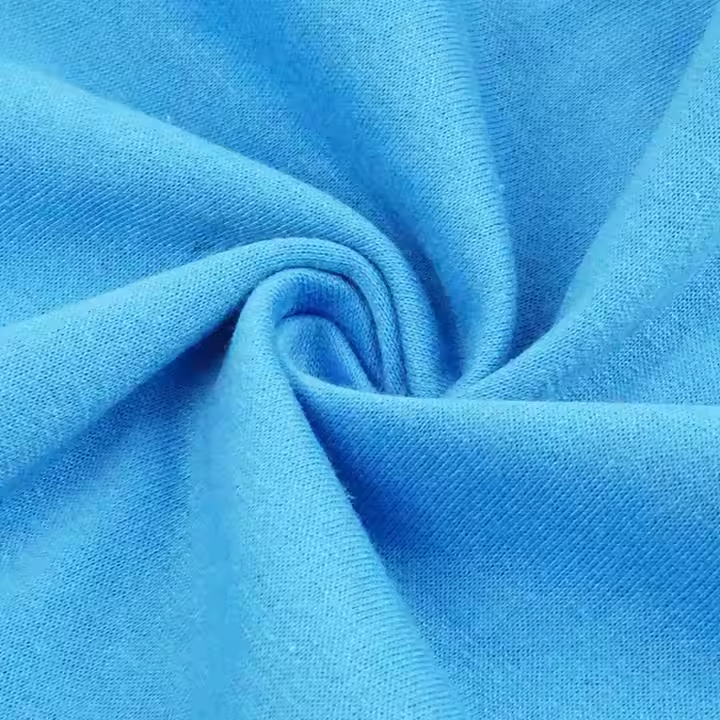
The choice between jersey fabric and cotton depends on your intended use, material composition, and personal preference. Lightweight and stretchy, jersey fabric is ideal for sportswear and casual relaxed styles, while soft, hypoallergenic cotton remains a top choice for everyday essentials like t-shirts, dresses, leggings, and bedding. Suerte offers high-quality jersey fabric options to suit your specific needs.
| Feature | Jersey Fabric | Cotton Fabric |
|---|---|---|
| Material & Texture | Knit, soft, stretchy | Woven or knit, crisp or soft |
| Comfort & Fit | Bends easily, fits your body | Lets air in, feels nice |
| Durability | Easy to wash, lasts long | Stays nice after washing, keeps shape |
Key Takeaways
- Knitted fabrics are ideal for sportswear and casual wear because of their good elasticity and breathability. Cotton fabrics are often used in everyday clothing and bedding because they are soft to the touch and less likely to cause allergies. When choosing fabrics for specific activities, consider their functionality, such as moisture-wicking and breathability. Choosing organic cotton or eco-friendly knitted fabrics helps protect the planet and reduce environmental damage. Knitted fabrics can be used in a variety of styles, making them suitable for casual wear, but woven cotton fabrics offer a crisper look.
Jersey Fabric and Cotton: Key Differences

What is Knitted Fabric?
Knitted fabric is a type of knitted textile. Factories weave yarns together in loops, resulting in a soft and elastic fabric. Knitted fabrics can be made from cotton, polyester, spandex, or blends. The single-knit construction gives the fabric lateral stretch, making it ideal for creating close-fitting and comfortable clothing. Many people choose knitted fabrics for T-shirts and leggings because of their smooth feel and comfortable fit.
Suerte offers a variety of blended and finished knitted fabrics. Designers can choose from cotton, polyester, spandex, Lycra cotton, or organic cotton. Suerte also offers custom printing and dyeing services, as well as a variety of special finishing processes. These options help brands create a unique look and enhance the quality of sportswear, casual wear, or fashion items.
What is Cotton?
Cotton is a natural fiber from the cotton plant. Factories spin cotton fibers into yarn, which is then woven or knitted into fabric. Woven cotton fabrics have a crisp feel, while knitted cotton fabrics are soft to the touch. Many people love cotton fabrics because they are soft and comfortable against the skin. It is also breathable. Cotton fabrics are commonly used for T-shirts, dresses, and bedding.
Cotton knitted fabrics differ from synthetic fiber knitted fabrics. The main difference lies in the fiber composition. Cotton knitted fabrics primarily use cotton fibers, while synthetic fiber knitted fabrics use polyester or viscose fibers. This alters the fabric’s feel and properties.
Knitted Fabrics vs. Cotton: Properties
The properties of cotton knitted fabrics and other knitted fabrics depend on the fiber blend and its manufacturing process. The table below compares cotton knitted fabrics with pre-shrinked cotton:
| Feature | Cotton Jersey Knit | Preshrunk Cotton |
|---|---|---|
| Fiber Composition | Mostly 100% cotton, may include blends | Can be pure cotton or a blend |
| Construction | Single knit structure, lightweight, breathable | Standard woven or knit structures, stabilized |
| Stretchability | Allows horizontal stretch and flexibility | Stretches less, maintains shape better |
| Softness | Soft and breathable | May feel firmer initially |
| Shrinkage | May shrink if not pre-treated | Stabilized to prevent unexpected shrinkage |
Cotton jersey and synthetic jersey fabrics are different in breathability and moisture-wicking. Cotton jersey lets air flow and absorbs sweat. But it dries slowly. Synthetic jersey dries faster. It wicks moisture away from the skin. This helps during sports or exercise.
| Property | Cotton Jersey | Synthetic Jersey |
|---|---|---|
| Breathability | Good air flow, keeps cool | Less breathable, but dries quickly |
| Moisture-wicking | Absorbs sweat, dries slowly | Excellent moisture-wicking, keeps dry |
| Insulation | Provides warmth, can feel damp | Less insulating, but maintains comfort during activity |
Fiber blends in jersey fabric change how it works. Cotton/polyester blends last longer and keep their shape. Polyester/viscose blends wick moisture and drape softly. Micro-modal is extra soft. Merino wool helps control temperature. Bamboo fiber is antibacterial and manages moisture well.
| Fiber Blend | Performance Benefits |
|---|---|
| Cotton/Polyester | Enhanced durability, easy care, reduced shrinkage, better color retention, improved shape retention |
| Polyester/Viscose | Moisture-wicking, soft drape, vibrant colors, wrinkle resistance |
| Micro-modal | Superior softness, dimensional stability |
| Merino wool | Natural temperature regulation, odor resistance |
| Bamboo fiber | Natural antibacterial properties, excellent moisture management |
What makes Suerte’s knitted fabrics special is their wide selection. Customers can choose the mesh structure and eyelet size, as well as different mesh densities to enhance breathability and support. Suerte offers a variety of colors, weights, and widths. Special finishing processes such as antibacterial treatments and UV protection help improve fabric performance. Furthermore, moisture-wicking properties are available to suit various applications.
Knitted fabrics and cotton fabrics each have their advantages. Understanding their differences will help you choose the right fabric.
Why Pick Jersey Fabric (Knit)
Comfort and Elasticity
Knitted fabrics are renowned for their elasticity and flexibility. The knitted loops allow the fabric to bend and stretch easily. This makes knitted fabrics more elastic than woven cotton. Many people appreciate the way knitted fabrics fit snugly against the body. Whether you’re walking or exercising, it moves with you.
- Jersey fabric stretches sideways, so it fits many body shapes.
- Woven cotton is stiffer and does not stretch much.
- Jersey fabric’s stretch helps clothes keep their shape and fit.
Lots of brands use jersey fabric for t-shirts and leggings. It is soft and comfortable. The fabric lets you move freely, which is great for active people.
Softness
Knitted fabrics are soft and skin-friendly to the touch. Cotton knitted fabrics are lightweight and breathable. Cotton-spandex blends and other fabrics are even softer and more comfortable. Spandex gives the fabric extra elasticity. Cotton fabrics retain their soft and breathable properties.
| Property | Description |
|---|---|
| Breathable & Soft | Cotton gives comfort and lets air flow. |
| Stretchable & Flexible | Spandex makes the fabric stretch for easy movement. |
| Shape Retention | Clothes keep their fit after many washes. |
| Moisture-Absorbent | Cotton soaks up sweat and keeps you cool. |
| Wrinkle-Resistant | Jersey fabric does not wrinkle as much as pure cotton. |
| Durable & Long-Lasting | Spandex makes the fabric stronger. |
Knitted fabrics are comfortable to wear all day. The blend of various fibers makes them soft and comfortable, which is why they are popular for everyday wear.
Drape
Knitted fabrics conform to the body and drape naturally. The knitted structure makes them soft and supportive, outlining beautiful curves and giving garments a relaxed and comfortable style. In contrast, woven cotton fabrics may feel stiff and have less elasticity.
| Feature | Jersey Fabric | Cotton Fabric |
|---|---|---|
| Material & Texture | Knit fabric stretches, feels soft, hangs smoothly | Woven or knit, can be crisp or soft, does not stretch much |
| Comfort & Fit | Fits your body and moves with you, good for active wear | Lets air in and feels nice, but can be stiff at first |
Jersey fabric is great for t-shirts, dresses, and casual clothes. It moves with you and feels soft. Many people pick it for comfort and softness.
Why Choose Woven Cotton
Structure
Woven cotton is strong, durable, and resistant to deformation. The factory uses a yarn-interlacing weave, resulting in a smooth and even fabric. Plain weave is a type of woven cotton fabric that is soft and breathable, often used in high-end clothing and everyday wear. Its unique structure gives garments a crisp, structured look, making it ideal for shirts, blouses, and suits. The plain weave ensures the garments maintain their appearance even after multiple wears.
Stability
Woven cotton is resistant to deformation, thus retaining its shape for a long time. Shirts and trousers made of woven cotton remain like new even after multiple washes. Knitted fabrics are prone to deformation, but woven cotton does not. Tests show that woven cotton exhibits minimal dimensional change after washing and drying, making it a good choice if you want your garments to always fit well.
Durability
Woven cotton is durable, strong, and abrasion-resistant. The tight weave helps prevent holes and tears. It withstands multiple washes and is resistant to deformation. Cotton fabrics wear out more easily than synthetic fiber knitted fabrics, but woven cotton is still durable and suitable for everyday use.
| Fabric Type | Durability Characteristics |
|---|---|
| Woven Cotton | Very strong and does not wear out fast, keeps its shape after many washes. |
| Jersey Fabric | Can get fuzzy and stretch out, needs gentle washing. |
People like woven cotton because it is comfy and lasts a long time. But cotton jersey fabric can wrinkle and wear out faster if used a lot. Cotton jersey fabric may also need more careful washing to stay looking good.
Environmental Impact

Sustainability of Knitted Fabrics
Knitted fabrics can be made from natural or synthetic fibers. When factories use polyester, they produce fibers that are difficult to decompose. These fibers seep into water and soil, harming fish and other animals. The production of knitted fabrics also releases harmful gases into the air. These gases deplete the ozone layer and contribute to acid rain. Choosing knitted fabrics made from 100% organic cotton can help reduce pollution.
Sustainability of Cotton
Cotton comes from plants. Farmers need water, fertilizer, and pesticides to grow cotton. Growing common cotton requires a significant amount of water. For example, it takes 444.24 cubic meters of water to produce one kilogram of cotton in Kyrgyzstan. Turkey uses 188.61 cubic meters of water annually, and Tajikistan uses 464.23 cubic meters annually. In cotton cultivation, fertilizer production accounts for 47% of greenhouse gas emissions, irrigation for 17%, nitrogen fertilizer for 12%, and the ginning process for 11%. 100% organic cotton sheets use no artificial fertilizers or pesticides, maintaining soil health and containing no GMOs. Many cotton safety certification labels are available, such as USDA, GOTS, Fair Trade, Bluesign, OCS, BCI, RCS, GRS, Responsible Wool Standard, and Oeko-Tex 100. These labels ensure the cotton is safe and of excellent quality.
An Eco-Friendly Choice
There are many eco-friendly options for knitted and cotton fabrics. People can choose from organic cotton, organic bamboo fiber, recycled PET, organic hemp, Tencel, cork, jute, QMILK, and Woocoa. Organic cotton sheets help improve soil and save water. Organic bamboo fiber is soft and gentle on the skin, less likely to cause allergies. Recycled PET helps reduce the burden on landfills. Organic hemp grows quickly and degrades easily in the natural environment. These choices help people sleep better and also help protect the planet. Using 100% organic cotton sheets can indeed improve sleep quality. High-quality materials not only allow you to sleep soundly but also protect the natural environment.
Choosing the Right Fabric for Your Needs
Everyday Wear
Many people wonder how to choose the right knit fabric for everyday wear. The answer depends on how it feels, the weather, and your personal style. Cotton knit fabrics are perfect for casual wear. Their knit structure is breathable, keeping you cool even in warm weather. Knit fabrics are soft to the touch, very stretchy, and suitable for all body types. Therefore, they are ideal for T-shirts, dresses, and comfortable clothing. Cotton fabrics are sweat-wicking and breathable, keeping you dry. Knit fabrics are stretchy, allowing for layering and creating casual looks.
Athletics and Casual Wear
Choosing the right athletic knit fabric is crucial. Many athletes ask how to choose the right knit fabric for their sport. Knit fabrics are a top choice for both athletic and casual wear. They are durable and tear-resistant. Knit fabrics containing spandex are very stretchy and resilient, allowing for freedom of movement. They also wick away sweat, keeping you dry during exercise. While cotton is suitable for light exercise, knit fabrics are better suited for sports because they dry quickly and don’t easily deform.
Knit Sheets and Bedding
Knit sheets are loved for their softness and comfort. Many people choose knitted sheets to create a comfortable sleeping environment. Knitted sheets feel wonderful to the touch, but they tend to trap heat and are therefore not as cool as pure cotton sheets. Pure cotton sheets, even knitted ones, are very breathable and help keep you cool. They are easy to wash and durable.
| Feature | Jersey Sheets | Cotton Sheets |
|---|---|---|
| Comfort | Soft but not as cool | Very comfy and lets air flow |
| Breathability | Not much air moves through, can get hot | Air moves well, helps keep you cool |
| Maintenance | May need special care if made with synthetics | Easy to wash, strong, and good for the earth |
Sensitive Skin
People with sensitive skin often wonder which fabric is best. Organic cotton jersey is gentle and does not cause allergies. It soaks up sweat and keeps your skin dry. The stretchy knit gives a comfy fit that is not tight. Cotton does not trap heat or sweat, so it helps stop itching. Many doctors say cotton jersey is good for people with eczema or allergies. Organic cotton is grown without bad chemicals, so it is safer for your skin.
| Evidence | Description |
|---|---|
| Moisture Absorption | Cotton jersey soaks up sweat and keeps you dry. |
| Flexible Fit | The knit makes the fabric stretch and not feel tight. |
| Comfort | Most people think cotton jersey is comfy for a long time. |
| Hypoallergenic | Cotton jersey is good for people with skin problems because it does not make things worse. |
Benefits of Cotton Jersey Fabric
Soft and Comfortable, Natural to the Touch
Cotton knit fabric is renowned for its soft, natural feel. Many people love its skin-friendly comfort. The single-knit process makes the fabric smooth and lightweight. After softening treatment, the wearing experience is even more comfortable. The fabric drapes well and conforms to the body. This lightweight feel brings comfort, making it especially suitable for all-day wear.
People choose cotton knit fabric because of its soft and natural feel. Its soft properties make it a favorite choice for both children and adults.
Versatile in Clothing
Cotton knit fabric is suitable for a variety of clothing. It is highly elastic and comfortable to wear, allowing for a variety of styling options. Cotton knit fabric is suitable for everyday wear, fan T-shirts, casual wear, and relaxed clothing. Designers use it in the design of T-shirts, dresses, leggings, and other garments. This fabric can showcase a sporty look or create a relaxed and comfortable atmosphere.
Cotton knit fabric meets a variety of needs. People love its comfort and style, adding brilliance to their wardrobe.
Suitable for Sensitive Skin
Cotton knit fabric is very suitable for people with sensitive skin. Natural fibers are soft and gentle on the skin, and will not irritate it. Cotton knitted fabrics do not contain irritating chemicals, making them safer than many synthetic fabrics. The table below compares the suitability of cotton knitted fabrics and synthetic knitted fabrics for sensitive skin:
| Fabric Type | Suitability for Sensitive Skin | Key Characteristics |
|---|---|---|
| Cotton Jersey | Best | Soft, gentle, minimizes irritation |
| Synthetic Jersey | May irritate | Contains chemicals that can cause irritation |
Cotton jersey knit helps protect delicate skin. Many people with allergies or skin problems pick cotton jersey fabric for comfort and safety. The benefits of cotton jersey fabric make it a top pick for those who want soft clothes and peace of mind.
Picking between jersey fabric and cotton depends on what you want. Some people like comfort for everyday clothes. Others need strong fabric for sports. The table below shows how cotton jersey and synthetic jersey are different:
| Aspect | Cotton Jersey | Synthetic Jersey |
|---|---|---|
| Comfort | Feels soft and lets air in, good for relaxing | Strong, pulls sweat away, best for sports |
| Durability | Wears out sooner, can shrink | Tougher, lasts longer, does not tear easily |
| Environmental Impact | Breaks down in nature, but uses lots of water and chemicals | Made from oil, does not break down fast, but some are recycled |
Jersey blends with cotton, polyester, or spandex stretch and help with sweat. Pure cotton is best for softness and letting air in. Suerte has many choices if you want special features in your jersey fabric.
FAQ
What are the differences between knitted fabrics and regular cotton fabric?
Knitted fabrics use a knitted structure, while regular cotton fabric is typically woven. Knitted fabrics are elastic and soft to the touch. Woven cotton fabrics, on the other hand, are crisp and less prone to deformation.
Are knitted fabrics suitable for hot weather?
Knitted fabrics are highly breathable. Cotton knitted fabrics are breathable and absorbent, making them comfortable for many people to wear in summer.
Can people with allergies wear knitted fabrics?
Most cotton knitted fabrics are suitable for sensitive skin and will not cause irritation. Organic cotton knitted fabrics are an ideal choice for people with allergies.
How to wash knitted fabrics?
Wash knitted fabrics in cold water on a gentle cycle and lay flat or hang to dry. This helps maintain the fabric’s shape and softness.