Jacquard fabric is often considered a symbol of high quality. Many reports mention its intricate patterns and soft, comfortable feel. This fabric is produced using advanced machinery. People love jacquard fabric because of its beautiful appearance and fine workmanship. Today, more and more people are pursuing environmentally friendly options, seeking fabrics made from renewable materials. Suerte offers bespoke jacquard fabric services, supporting fashion designers with their exquisite craftsmanship and strict quality control.
Key Takeaways
- Jacquard fabric is high-quality because of its intricate patterns. It has a soft, comfortable texture and an excellent feel.
- Jacquard fabric has a tight weave, making it very strong and durable. It is durable and suitable for items that need to maintain their appearance.
- The pattern in jacquard fabric is woven into the fabric itself. These patterns have a three-dimensional effect and will not fade.
- This fabric can be used to make clothing and home furnishings. Designers love it because of its versatility.
- When choosing jacquard fabric, select fabrics with a uniform pattern and ensure the fibers are strong and durable. Learn how to care for it to maintain its good condition.
What is Jacquard Fabric?

Definition and History
Many people want to know what jacquard fabric is. The patterns on jacquard fabric are woven into the fabric fibers, rather than printed on the surface. These patterns can be flowers, shapes, or even pictures. The name jacquard fabric comes from the jacquard loom, a special type of machine that revolutionized the way fabrics were made.
Jacquard fabric originated in the early 19th century. Before that, creating intricate patterns required a great deal of time and skill. Joseph Marie Jacquard invented a new loom that made weaving much easier. The table below lists some of the major events in the history of jacquard fabric:
| Year | Event Description |
|---|---|
| Late 1700s | Jacquard started working on his loom, but the French Revolution stopped him. |
| 1801 | Joseph-Marie Jacquard showed his better drawloom at the Paris Industrial Exhibition. |
| 1804 | Jacquard got a patent for his loom and won a medal. |
| 1804-1805 | Jacquard brought out the Jacquard loom, which changed weaving forever. |
| Impact | The loom let people make detailed patterns without needing special skills, so fabric making changed a lot. |
Jacquard Weaving Process
People often ask, how is jacquard fabric made? The answer lies in its weaving process. Jacquard weaving uses a special loom that allows each warp yarn to move independently. This allows the machine to weave very intricate patterns.
- Jacquard weaving allows each yarn to move independently, resulting in fabrics with unique designs and textures.
- Traditional weaving methods involve the yarns moving together, resulting in simpler patterns.
- Fabrics woven on jacquard looms have a distinctive appearance and feel.
The jacquard mechanism also makes the weaving process programmable. This makes it easier to create fabrics such as brocade and tapestry. When people learn about jacquard fabrics, they discover their unique design and manufacturing process, making them exceptionally special. Understanding the production process of jacquard fabrics helps people understand why they are so popular in clothing and home furnishings.
Quality Characteristics of Jacquard Fabrics
Tight and Even Weave
A key characteristic of jacquard fabrics is their tight weave. Special looms can independently control each yarn, making the fabric thick and strong. A tight weave contributes to the fabric’s durability, making it resistant to snagging and tearing, and therefore exceptionally strong. Even weave tension distributes the fabric’s strength evenly, maintaining its shape and appearance. Many people choose jacquard fabrics for items that need to maintain a new look.
Tip: When buying jacquard fabric, check it against the light. High-quality jacquard fabric will not have holes or loose threads.
Durability and Strength
Jacquard fabrics are known for their strength and durability. The weave tightly binds the yarns together, making the fabric resistant to damage. Many companies use jacquard fabrics to make products such as sofas, curtains, and sportswear. This fabric can be made from cotton, silk, or synthetic fibers. Strong fibers help the fabric resist damage. High-quality jacquard fabrics meet standards of strength and durability, retaining their color and pattern even after multiple washes. This makes it ideal for home furnishings and clothing.
- Jacquard fabrics are durable and of superior quality.
- Strong fibers and a tight weave effectively prevent premature fabric damage.
- Many people trust jacquard fabrics for items requiring durability.
Exquisite Patterns and Textures
The unique feature of jacquard fabrics lies in their intricate patterns and textures. These patterns are woven into the fabric rather than printed, giving them a three-dimensional feel and making flowers and shapes lifelike and clearly visible. The weaving process allows the fabric to have rich colors and textures, making jacquard fabrics suitable for a variety of styles, both new and old. Because the pattern is part of the fabric, it will not fade or wear. Designers can also use jacquard fabrics to create personalized designs.
- Jacquard fabrics boast exquisite and unique patterns.
- Their texture can be soft and smooth or slightly grainy.
- Many people love jacquard fabrics because of their excellent look and feel.
High-quality jacquard fabrics have a tight weave, strong fibers, and beautiful patterns. These characteristics make them ideal for those who seek beautiful and durable fabrics.
The Look and Feel of Jacquard Fabrics
Visual Appeal
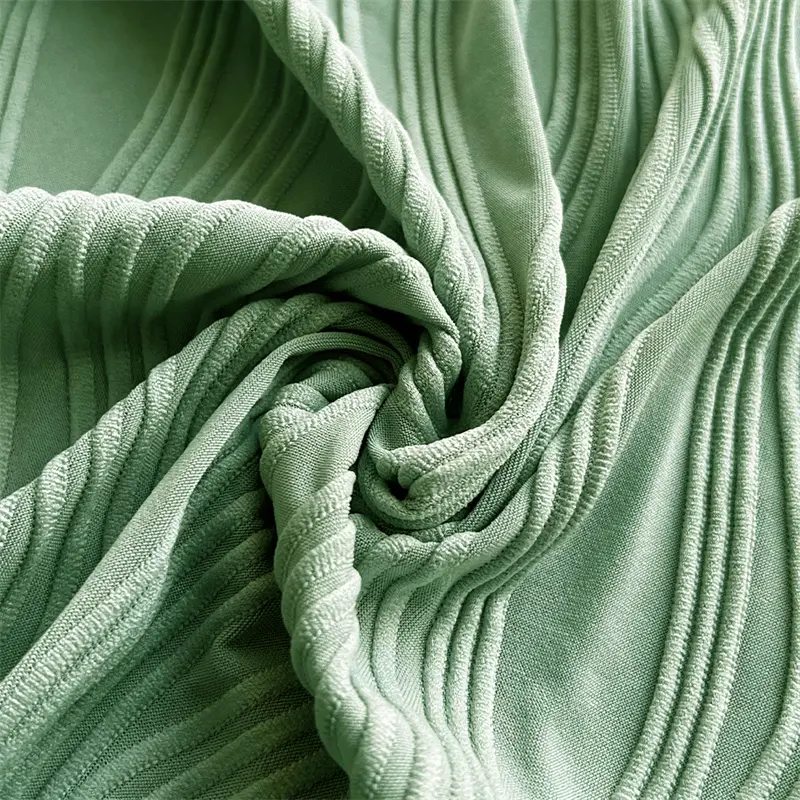
Jacquard fabrics are ubiquitous in fashion and home design. Designers choose them because they are distinctly different from other fabrics. This fabric displays intricate patterns that are eye-catching. These patterns can be simple or ornate, such as floral designs. The pattern is visible on both sides of the fabric, making it even more beautiful. Jacquard fabrics come in a variety of styles, such as floral, brocade, and tapestry. Each style adds a unique touch to clothing or home décor.
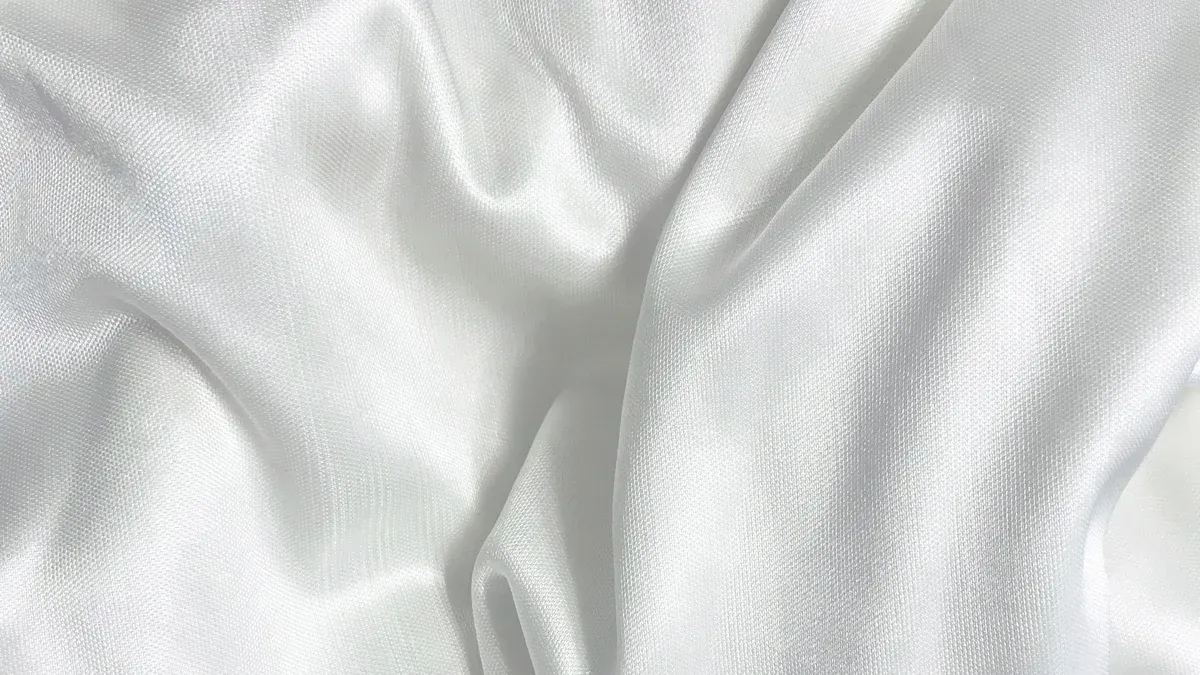
This fabric has a slight sheen, making it look more refined. This sheen makes it particularly striking on special occasions. Jacquard fabrics can be made from cotton, silk, or synthetic fibers. This means designers can use it for a variety of purposes. The raised pattern adds depth and interest to the fabric.
Tip: People love using jacquard fabrics to create eye-catching items such as jackets, dresses, or exquisite cushions. Beautiful patterns help these items stand out.
Texture and Comfort
Jacquard fabrics have a different feel than other fabrics. The raised texture gives it a unique feel. When touched, you can feel the three-dimensionality and layering of the pattern. This fabric is heavier than most, making it strong and durable, ideal for furniture making.
Comfort depends on the fiber composition. Cotton jacquard is soft and breathable; silk jacquard is smooth and luxurious to the touch; synthetic fiber jacquard is strong, durable, and easy to clean. The tight weave makes the fabric tough and resistant to deformation. People love its feel and find it enjoyable to use.
Note: Jacquard fabrics are beautiful and comfortable, making them popular and commonly used in clothing and home furnishings.
Comparison of Jacquard Fabrics with Other Fabrics
Comparison with Printed Fabrics
The unique feature of jacquard fabrics is that the pattern is woven into the fabric. Printed fabrics have the pattern printed on the surface. Even after multiple washes, the pattern on jacquard fabric remains clearly visible. Printed fabrics will fade or peel over time. Designers choose jacquard fabrics for products that need to maintain their beauty for a long time. Printed fabrics are suitable for quickly creating brightly colored designs, but their texture and depth are not as good as jacquard fabrics.
Comparison with Plain Weave Fabrics
Plain weave fabrics use simple, interwoven patterns. Jacquard fabrics use more complex weaving techniques, resulting in intricate patterns and textures. Plain weave fabrics generally appear monotonous and dull. Jacquard fabrics showcase rich patterns and can display a variety of colors. Plain weave fabrics are less expensive and are often used in everyday items. Jacquard fabrics are more expensive because they require more advanced processing and time.
The table below lists the price ranges for different fabrics:
| Fabric Type | Price Range (per yard) |
|---|---|
| Cotton Jacquard | $8–$15 |
| Silk Jacquard | $25–$60+ |
| Polyester Jacquard | $5–$10 |
| Boutique/Custom Jacquard | $30–$100+ |
Advantages and Disadvantages
Jacquard fabrics have many advantages. They are durable, resistant to deformation, and the patterns remain vibrant and clear. Designers can customize styles to their needs. The fabric has a high-end feel, adding style to clothing and home furnishings.
Plain weave and printed fabrics are less expensive and suitable for simple projects. Jacquard fabrics are more expensive, especially silk or custom-made styles. Cotton jacquard fabrics are strong and comfortable. Polyester jacquard fabrics are easy to care for. Silk jacquard fabrics have a high-end feel. Wool jacquard fabrics are warm and durable.
- Jacquard fabrics: Strong and durable, stylish and beautiful, customizable, more expensive.
- Printed fabrics: Less expensive, easier to make, but not as durable as jacquard fabrics.
- Plain weave fabrics: Simple, low cost, less luxurious.
- People choose jacquard fabrics because they combine quality and lasting beauty.
Jacquard Fabric Quality Assessment
Selection Points
When purchasing jacquard fabrics, buyers should pay attention to the following key points. First, consider how you will use this fabric. Clothing needs soft fabrics, while furniture requires more durable ones. Next, read the label to understand the fabric composition. Cotton-silk blends feel luxurious, while polyester-cotton blends are more durable.
Observe the fabric pattern in sunlight. High-quality fabrics have clear, even patterns and a smooth, substantial feel. Genuine jacquard fabrics have patterns on both sides, and the colors may differ slightly. Edges should be clean and neat, without loose threads. Washing instructions should meet your needs. Reputable suppliers like Suerte provide samples and have an excellent reputation. Suerte also maintains strict quality control and offers fast sampling services, which helps maintain high standards.
Tip: Always request samples before purchasing in bulk so you can see the fabric’s appearance and feel.
Common Misconceptions
Several issues can reduce the quality of jacquard fabrics. Buyers should look for blurry or unclear patterns, which may indicate poor weaving. Loose threads or holes will reduce the fabric’s strength. If the price is very low, the fabric may not be durable.
Laboratory testing can help verify quality. These tests check the fabric’s strength, color, and abrasion resistance. The table below lists some of the machines used for these tests:
| Test Machine | What It Checks |
|---|---|
| Tensile Test Machine | Strength and tear resistance |
| Spectrometer Test Machine | Color accuracy and consistency |
| Stoll Abrasion Test Machine | Resistance to wear and pilling |
Choosing a supplier like Suerte, with its rigorous quality control, helps avoid these problems. Suerte’s team inspects every order to ensure even weave, clear patterns, and that the fabric meets standards.
Is Jacquard Fabric Right for You?
Best Uses
Jacquard fabric has a wide range of uses. Designers choose it to create glamorous gowns and evening wear. The woven patterns give the garments an elegant and sophisticated look. Suits and bespoke clothing also use jacquard fabric because of its crisp texture. Scarves and handbags use jacquard fabric to showcase fashionable designs. Curtains and cushions made from this fabric are both beautiful and durable. People often choose jacquard fabric for special occasions. Its unique appearance makes items stand out.
Note: Jacquard fabric has a wide range of uses, from glamorous clothing to home furnishings.
Considerations for Different Needs
Choosing jacquard fabric depends on several factors. Fiber type affects the feel and price of a fabric. Silk and wool feel luxurious but are more expensive. Cotton and polyester are strong, durable, and easy to care for. Intricate patterns require special weaving techniques, increasing costs. Exquisite designs are suitable for high-end applications. Jacquard fabrics are tough and durable, making them ideal for frequently used items. They are both beautiful and practical, with a wide range of uses.
| Factor | Description |
|---|---|
| Fiber Type | Silk and wool are soft and cost more. Cotton and polyester are cheaper and strong. |
| Design Complexity | Hard patterns need special weaving and cost more. These are best for fancy things. |
| Durability | Jacquard fabric is strong, so it is good for clothes and home items that get used a lot. |
| Versatility | It works for clothes, curtains, and accessories because it looks good and is useful. |
The care of jacquard fabrics is also important. Polyester jacquard fabric is strong and durable, easy to wash, and does not easily deform, requiring minimal care. Silk is soft to the touch but requires gentle washing. Linen is breathable but wrinkles and tears easily. Polyester jacquard fabric can be machine washed and dries quickly, making it ideal for everyday use.
Tip: Choose fibers and patterns that suit your needs. Silk or wool are suitable for high-end items, while polyester or cotton are suitable for everyday items.
Jacquard fabrics are known for their strength and durability. Their tight weave helps prevent tearing, making them more resilient. Intricate patterns make the fabric look more luxurious, which is why designers love to use it. When choosing fabric, one should pay attention to its fiber composition, as well as the fabric’s weight and cleaning method. Suerte is highly praised for its punctuality and helpfulness. Customers rate its staff as patient and attentive, and its prices as fair. These factors can help people choose the right fabric for their needs.
FAQ
How does jacquard fabric differ from other fabrics?
Jacquard fabrics have patterns woven directly into the fabric. Other fabrics typically have patterns printed on the surface. This weaving technique creates a unique texture and durable patterns.
Can jacquard fabrics be used for everyday clothing?
Designers use jacquard fabrics to create both high-end and everyday clothing. Cotton and polyester jacquard fabrics are perfect for everyday wear. They are comfortable to the touch and durable.
How should people care for jacquard fabrics?
People should check the care instructions on the label. Most cotton and polyester jacquard fabrics can be machine washed. Silk jacquard fabrics require gentle hand washing.
Is jacquard fabric suitable for home décor?
Jacquard fabrics are excellent for making curtains, cushions, and furniture. Their tight weave and beautiful patterns make them a popular choice for home furnishings.
Does Suerte offer custom jacquard fabric services?
Suerte offers custom jacquard fabric services for designers. Designers can choose patterns, colors, and fibers. Suerte will check the quality and provide samples quickly.