Picking the perfect jersey dress begins with choosing the right material. You must consider three key factors for your ideal stretch jersey dress fabric. These elements determine the final look and feel of your dress.
- Your Dream Dress Style: The design you want to create.
- Fiber Content: The material of the jersey fabric.
- Fabric Weight: This controls the drape and stretch of the jersey.
Understanding these points helps you make a beautiful jersey fabric dress. You can achieve the perfect stretch for a comfortable, stylish fit.
Key Takeaways
- When choosing knitted fabrics, consider the style of the dress, the fabric’s fiber composition, and its weight per square meter (gSM).
- Fiber composition affects the fabric’s feel, breathability, and environmental impact.
- The fabric’s weight per square meter determines the dress’s drape and movement, ranging from flowing and graceful to crisp and structured.
- High-quality stretch fabrics return to their original shape after stretching, which is crucial for a good fit.
- Whether creating a casual, versatile, or elegant look, choosing a fabric that complements the dress’s style will yield the best results.
The Ultimate Versatility of Stretch Jersey Dress Fabric

The amazing versatility of stretch knit fabrics stems from their core components. Understanding their fibers, weight, and elasticity allows you to create virtually any style of dress. This knowledge will help you choose the perfect stretch fabric for your project.
Understanding Fiber Composition: The DNA of Your Fabric
The fiber composition of a knit fabric is like its DNA. It determines the fabric’s feel, breathability, and even its environmental impact. Common fibers include cotton, rayon, and polyester. Each fiber brings different advantages to your knit dress. For example, modern T-shirts often use knit fabrics because they are comfortable and have natural elasticity. The continuous development of these materials provides designers with endless creative possibilities.
| Era | Material | Impact on Apparel |
|---|---|---|
| Pre-1930s | Wool and cotton | Dominant natural fibers |
| Late 1930s | Nylon-polyester blends | Introduced breathable, stretchable athletic wear |
| 2020s | Advanced poly, 4-way stretch | High customization, tailored fits, digital design tools |
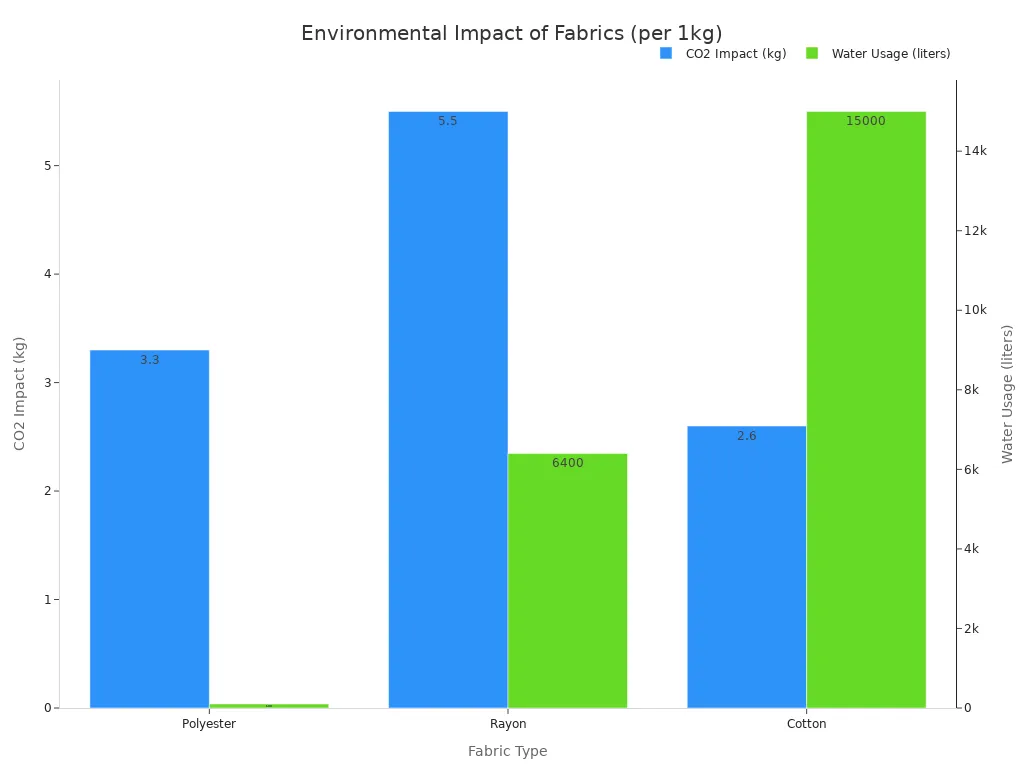
Note: Environmental impacts should also be considered when selecting fibers. The production methods for polyester, rayon, and cotton have different effects on carbon dioxide emissions and water consumption.
Fabric Weight and Drape: From Flowy to Structured
Fabric weight, measured in grams per square meter (GSM), controls how a dress hangs and moves. This is called drape.
The weight of a fabric, measured in grams per square meter (GSM), determines the drape and movement of a skirt. This is known as drape.
- Lightweight knit fabrics (120-160 g/m²): This weight of fabric is soft and drapes beautifully, perfect for creating flowy summer dresses.
- Medium-weight knit fabrics (150-350 g/m²): This fabric combines structure and drape, making it a versatile choice for various garment styles.
- Heavyweight knit fabrics (200-300 g/m²): This weight of fabric has a more structured shape and is less prone to deformation, making it ideal for creating formal wear.
Heavier fabrics drape better, while lighter fabrics flow more. This choice directly impacts the final style of a knit dress.
Stretch and Recovery: Getting the Perfect Fit
The “stretch” in stretch fabric is key to a comfortable fit. A quality jersey fabric should not only stretch but also return to its original shape. This is called recovery. For a great fit, look for a stretch fabric with 4-way stretch. This means it stretches both lengthwise and crosswise.
To achieve optimal stretch, a spandex blend is typically added. A spandex content of 10-25% is ideal for achieving four-way stretch, ensuring your knitted dress moves with your body and fits perfectly. Professionals use industry testing methods such as ASTM D2594 knitted fabric standards to measure these properties to ensure their validity. This guarantees that the stretch fabric will provide the best fit for your dress.
Matching Fabric to Your Dream Dress Style
The style of a dress dictates the choice of fabric. A casual T-shirt dress and an elegant cocktail dress require vastly different fabrics. Matching the characteristics of the fabric to your design concept is key to creating the perfect garment. This ensures the final dress has the right fit, drape, and comfort.
For Casual Comfort: T-Shirt and Tank Dresses
T-shirt and tank dresses are staples for everyday comfort. These casual styles require a fabric that is soft, breathable, and easy to wear. Cotton jersey or a cotton-spandex blend is an excellent choice for a casual jersey fabric dress. These fabrics offer a familiar comfort, much like your favorite t-shirt. They provide just enough stretch for movement without feeling restrictive.
This makes them perfect for a relaxed, casual look. You can create an effortless casual style for running errands or meeting friends. The goal is a simple, casual dress that feels great all day. For the ultimate casual vibe, choose a lightweight jersey that drapes softly. This approach to making ladies’ dresses prioritizes practical, casual wearability. Your finished dress will be a go-to piece for any casual occasion.
How to Dress Up or Down: Wrap and Maxi Dresses
Wrap and maxi dresses offer amazing versatility. You can easily dress up or down with the right fabric and The versatility of wrap dresses and maxi dresses is astounding. Simply choose the right fabric and accessories to effortlessly create different styles. The key is to choose a knit fabric with excellent drape. Many fashion bloggers and celebrities, such as Elsa Hosk and Aubrey Plaza, have demonstrated how to make a simple knit wrap dress look stunning. Victoria Beckham also highly recommends wrap dresses for their slimming silhouette.
Choosing the right fabric helps avoid clothing clinging to the skin, creating a flowing and dynamic look. Here are some options for knit dresses:
- ITY Knit Fabric: This fabric has a crisp texture and excellent drape. It’s ideal for making wrap dresses because it fits the body without being constricting, helping to create a smooth silhouette.
- Cotton-Spandex Knit Fabric: The thicker cotton-spandex fabric provides better drape. This “thick” knit fabric is perfect for creating classic wrap dresses, holding their shape beautifully.
- Rayon knit fabric: This fabric is known for its excellent drape. Rayon knit fabric gives long dresses a graceful, flowing movement. Lighter versions may feel slightly fitted, so it’s more suitable for styles with a fuller skirt.
These fabrics allow you to create beautiful women’s dresses, easily transitioning from daytime looks to evening attire.
For Chic Elegance: Bodycon and Cocktail Dresses
For an elegant and sophisticated look, bodycon dresses and cocktail dresses are excellent choices. These dresses require highly elastic fabrics to create a smooth, form-fitting silhouette. Medium to heavy knit fabrics, especially those with a high spandex content (10-25%), are ideal. Such fabrics flatter the figure while allowing for freedom of movement. Stretch velvet is also a popular choice for creating a luxurious and elegant atmosphere.
Creating a chic knit dress hinges on the details. The right fabric can elevate a simple style to an elegant evening gown. This is key to making your knit dress stand out. A well-made, chic dress can boost your confidence. You can create a sophisticated look suitable for special occasions. Finally, pairing it with heels and accessories often adds the finishing touch to the overall look. This chic style blends modern flair with timeless elegance.
Pro-Tip: Sewing for a Chic, High-Stretch Fit
Working with high-stretch fabric requires specific techniques to get a professional finish. Using the right tools and stitches is essential for a chic jersey fabric dress.
- Essential Tools: Use ballpoint or stretch needles to avoid damaging the fabric. Polyester thread offers strength and a slight stretch. A walking foot helps feed the fabric evenly, preventing ripples.
- Key Stitches:
- Zigzag Stitch: A narrow zigzag allows seams to stretch without breaking.
- Stretch Stitch: Many machines have a “lightning bolt” stitch designed for high-stretch seams.
- Twin Needle: Use this for a professional-looking hem that stretches.
- Serger/Overlocker: This machine provides the ultimate stretch and finish for seams, just like in ready-to-wear ladies’ dresses.
Exploring Fabric Blends for Versatility Across Seasons
Choosing the right fabric blend can give your knit dress excellent cross-seasonal versatility. You can create a comfortable and stylish wardrobe for various occasions throughout the year. The choice of fabric ensures your dress is perfectly suited to the current season’s weather.
Breathable Blends for Summer
For the perfect summer dress, you need a fabric that’s both cool and comfortable. Breathable blends are essential in hot weather. They help wick away sweat and allow air to circulate. Bamboo fiber knit fabrics are a great choice for creating a stylish summer look because they quickly wick away sweat from your skin. While cotton is soft, it tends to absorb moisture, leaving you feeling damp and stuffy on hot summer days. Understanding these differences will help you choose the best knit fabric for summer wear and enjoy summer comfort.
| Characteristic | Bamboo Jersey | Cotton Jersey |
|---|---|---|
| Moisture Control | Pulls moisture away to evaporate | Absorbs and holds moisture |
| Feel on Skin | Keeps you feeling dry and cool | Can feel damp and heavy |
| Temperature | Helps you stay 2-3°C cooler | Less effective at cooling |
Mid-Weight Options for Spring and Fall
The transitional season calls for fabrics that can handle both cool mornings and warm afternoons. You’ll need knitwear that’s a bit thicker than your summer fabrics. Medium-weight knitwear, around 150-200 grams per square meter, provides just the right amount of warmth and comfort. These fabrics are perfect for creating transitional pieces, such as long-sleeved dresses or simple A-line dresses. You can easily adjust the style of these transitional pieces according to temperature changes. Therefore, they are a smart choice for your wardrobe.
Heavier Knits for Winter Layering
As the weather gets cooler, you can still wear a comfortable knit dress, provided the fabric and styling are right. Thick knit fabrics, such as flannel and Romaine, are warm without being bulky. Flannel is ideal for layering because it’s comfortable inside and smooth outside. This makes layering in cool weather both simple and stylish.
Pro-Tip for Winter Comfort: The key to winter style is effective layering. You can start with a ponte knit dress for structure and warmth. Adding a cardigan or jacket on top completes the look. This approach to layering your jersey dress gives you great versatility and comfort during the coldest months. This layering technique ensures you stay warm.
Why Choose Suerte for Your Custom Fabric Needs
Finding the right fabric partner is just as important as finding the right fabric. You need a supplier who can deliver quality, support your creative vision, and respect your budget. Suerte offers a comprehensive service designed to help you succeed.
Cost-Effective Solutions
You don’t need to spend exorbitant prices to achieve a high-end look. Suerte offers low-cost fabric processing solutions for creating exceptional visual effects. For example, you can obtain luxurious stretch satin fabrics at affordable prices. The company offers highly competitive wholesale and factory-direct prices, ideal for bulk purchases. This makes high-quality custom fabrics readily available.
| Manufacturer | Minimum Order Quantity (MOQ) | Pricing Model |
|---|---|---|
| Suerte Textile | 300 meters | Factory direct |
| Ningbo Wokailian | 1 meter | N/A |
| Contrado | 1 meter | N/A |
Advanced Design and Sampling Support
Testing your fabric is a critical step. You want to see and feel the material before making a final decision. Suerte helps you reduce risks with quick physical samples. This allows you to verify color, size, and processing techniques. The fast turnaround helps you seize market opportunities without delay.
Quick Sample Turnaround! ⏱️ You can receive physical samples for many custom fabrics in just 3-5 days. This includes:
- Custom printed fabrics
- Chiffon and scuba knits
- Custom fleece fabrics
A One-Stop Customization Service
Suerte provides a complete customization service from start to finish. You get support from the initial pattern design and base fabric selection all the way to final production. Their advanced machinery and expertise allow for a wide range of unique fabric creations. You can bring nearly any design to life.
Some of the available customization techniques include:
- Digital printing: Creates highly accurate and realistic patterns.
- Jacquard: Weaves complex, reversible patterns directly into the fabric.
- Embroidery: Adds exquisite handcrafted details and ensures durability.
- Special effects: You can also choose flocking, sequins, glitter, and metallic effects to create truly unique fabrics.
Your 2025 Buying and Care Guide
You have the knowledge to choose the right material. Now you need smart buying and care strategies. This guide helps you purchase the best stretch fabric and maintain your beautiful ladies’ dresses.
Smart Shopping Tips for the Best Fabric
You can find high-quality stretch fabric for your projects. Look for key details when shopping online. A good stretch fabric has excellent stretch percentage and recovery. This means the material returns to its original shape after you stretch it. A spandex content of 3-8% is great for most ladies’ dresses. For a body-hugging dress, look for 10% or more spandex to get the best stretch.
When buying in bulk, you should ask your supplier the right questions. This ensures you get the perfect jersey fabric for your needs.
Questions for Your Fabric Supplier:
- What are your Minimum Order Quantities (MOQs)?
- Can you provide samples to check quality and color?
- What are your lead times for custom orders?
- Do you have certifications for sustainable sourcing?
These questions help you make an informed decision for your next jersey fabric dress.
Essential Care to Make Your Dress Last
Proper care will keep your women’s dress looking new. Always check the care label on knitwear first. Most stretch fabrics are suitable for gentle washing. We recommend washing gently in cold water to protect the fibers and maintain the fabric’s elasticity.
Avoid high temperatures when tumble drying. You can choose a low tumble dry setting. Laying flat to dry is even better. This method prevents stretch fabrics from shrinking or deforming. Proper care will ensure your beloved women’s dress stays like new for years, becoming a wardrobe essential. Your knit dress will maintain its perfect elasticity and fit. By following these steps, you can enjoy the wonderful experience of a handmade women’s dress for a long time.
Choosing the perfect stretch jersey dress fabric is a balance of fiber, weight, and your dress style. You can sew with confidence when you match the right material to your creative vision.
- For a casual, casual, casual, casual, casual style, use breathable cottons for your casual, casual, casual, casual, casual dress.
- For a chic, chic, chic, chic, chic look, choose drapey rayons for a chic, chic, chic, chic, chic dress.
These guidelines will help you create a successful jersey fabric dress. Use this knowledge to ensure your 2025 jersey fabric dress projects are a complete success.
FAQ
What is the best jersey fabric for a beginner?
You should choose a stable, medium-weight knit fabric. A cotton-spandex blend is a good choice. This fabric has low crimp and is easier to work with than lightweight or clingy knit fabrics. This choice will make your first knitting project simpler and more fun.
How do I stop my jersey fabric from curling when I cut it?
You can manage curling edges with a few simple tricks.
- Use fabric weights or clips to hold the material flat.
- Apply a light spray starch to temporarily stiffen the fabric.
- A rotary cutter and mat often provide a cleaner cut than scissors.
Can I sew stretch jersey on a regular sewing machine?
Yes, you can absolutely sew stretch fabric on a regular machine. You just need the right tools. Use a ballpoint or stretch needle to avoid damaging the fibers. You should also select a zigzag or a special stretch stitch for your seams.
What does GSM mean for jersey fabric?
GSM stands for “Grams per Square Meter.” It measures the fabric’s weight.
A higher GSM number means you have a heavier, more structured fabric. A lower GSM number indicates a lighter, more fluid material. This measurement helps you predict the fabric’s drape.