Lead the way in sustainable fashion by wearing bamboo fiber knitted fabric. This eco-friendly fabric is derived from bamboo, a sustainable plant. Bamboo grows quickly and requires little water. This sustainable bamboo is an environmentally friendly choice. Your eco-friendly clothing also reflects your support for sustainability. The fashion industry has recognized the environmental advantages of bamboo. This sustainable fashion is becoming an increasingly popular trend.
Global demand for sustainable bamboo textiles is growing at a rate of over 15% annually, indicating a significant shift in the fashion industry towards environmentally friendly materials and sustainable lifestyles.
Choosing eco-friendly clothing made from bamboo fiber is a wise decision. Your eco-friendly fashion choice reflects your support for sustainability. This environmentally friendly, biodegradable bamboo fiber clothing is made from one of the highest quality natural fibers—bamboo. This sustainable bamboo fiber fashion is the ideal choice for your eco-friendly clothing needs.
Key Takeaways
- Bamboo grows very quickly and does not require replanting after harvesting, making it an excellent resource.
- Bamboo requires very little water, much less than cotton, which helps conserve water.
- No harmful chemicals are used in the bamboo growing process; it requires no pesticides or fertilizers, which helps protect our planet.
- Bamboo helps purify the air. It absorbs large amounts of carbon dioxide while releasing large amounts of oxygen.
- Bamboo fiber fabric is biodegradable and does not accumulate in landfills, helping to reduce waste generation.
Benefit 1: Bamboo is a Rapidly Renewable Resource
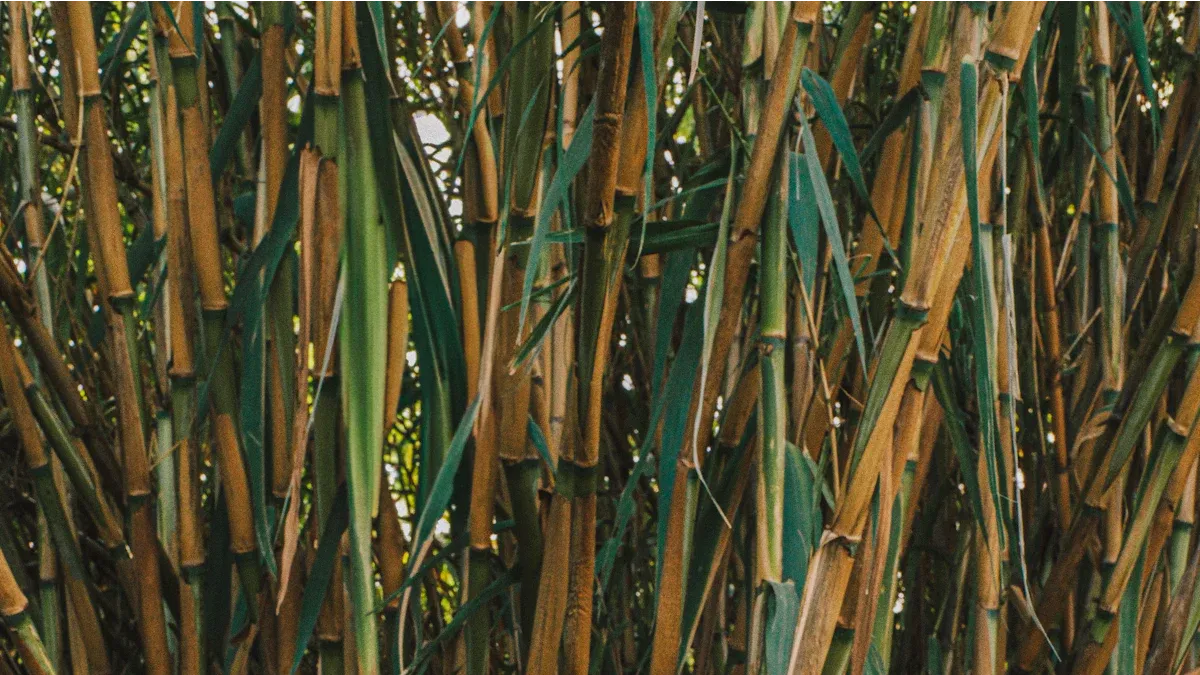
Choosing eco-friendly clothing is supporting materials that can be rapidly recycled. Bamboo stands out in sustainable fashion because it is one of the most renewable resources on Earth. Choosing eco-friendly clothing made from bamboo contributes to the health of the planet through its amazing growth cycle. This makes bamboo a preferred material for sustainable fashion.
The World’s Fastest-Growing Plant
You might think of bamboo as a tree, but it’s actually a type of grass. That’s why it grows so incredibly fast. Some varieties, like moso bamboo, can grow 35 inches (about 89 centimeters) in a single day under ideal conditions. This rapid growth makes bamboo a highly sustainable source of natural fiber. As a result, this plant provides a continuous supply of environmentally friendly materials for the fashion industry. This sustainable growth method is the key reason why bamboo is so environmentally friendly. The eco-friendly clothing you wear comes from this amazing plant.
Harvest Without Replanting
Harvesting bamboo is fundamentally different from logging. After harvesting, bamboo does not need to be replanted. Its extensive underground root system (called rhizomes) remains intact and continues to sprout new shoots. This process makes bamboo cultivation a model of sustainable development.
This harvesting method actually promotes healthier plant growth. It enhances the plant’s ability to absorb carbon from the atmosphere, making bamboo fiber clothing an environmentally friendly choice. This is a cornerstone of sustainable practices in the fashion industry.
Choosing eco-friendly clothing made from bamboo fiber helps create a continuous, environmentally friendly cycle of renewal. This is a major victory for sustainable fashion and sustainable development.
Preventing Soil Erosion
Bamboo’s powerful benefits penetrate deep into the soil. Its dense and complex root system acts like a natural anchor, firmly holding onto precious topsoil. This is especially important in areas susceptible to heavy rainfall and soil erosion. Scientific research shows that this root system effectively prevents soil loss and even helps restore degraded land. Choosing bamboo fiber knitted fabrics is supporting a plant that protects landforms from landslides and maintains soil health. The environmental benefits of bamboo fiber fabrics are evident. This sustainable plant is an environmental model for both the fashion industry and the planet’s sustainable development. Your choice of eco-friendly clothing makes a significant difference.
Benefit 2: Requires Significantly Less Water
When you choose your eco-friendly clothing, you make a powerful statement about water conservation. The fashion industry is a major consumer of water, but your choice of sustainable fashion can change that. Selecting eco-friendly clothing made from bamboo is a significant step toward sustainability. This sustainable plant offers a solution to the high water demands of traditional textiles, making your fashion choices truly eco-friendly.
Thriving on Natural Rainfall
You can feel good knowing that bamboo is an incredibly water-efficient plant. Most bamboo species grow well with just natural rainfall. They do not need large-scale irrigation systems to survive. This makes bamboo a very sustainable crop. Your eco-friendly clothing comes from a plant that works in harmony with its environment. This natural resilience is a key reason why bamboo is a champion of sustainable practices and a top choice for eco-friendly fashion. The bamboo plant’s ability to thrive naturally makes it an ideal resource for sustainable materials.
A Stark Contrast to Cotton
Compared to cotton, bamboo’s environmental advantages are obvious. Cotton is a very water-intensive crop. Growing enough cotton to make one T-shirt can require thousands of liters of water. Bamboo, on the other hand, requires far less water. This makes bamboo fiber fabric a more sustainable and environmentally friendly clothing option.
Choosing bamboo fiber clothing helps save significant amounts of water. This simple fashion choice supports global sustainability and contributes to creating a healthier planet.
The difference in water consumption is substantial. Choosing to wear eco-friendly bamboo clothing will have a direct positive impact.
| Fiber Type | Water Requirement (per kg) |
|---|---|
| Bamboo Fiber | 500–1,000 L |
| Cotton | 8,000–10,000 L |
Reducing Strain on Water Resources
Your choice of eco-friendly clothing has significant implications globally. Agriculture consumes approximately 70% of the world’s freshwater resources. Choosing bamboo fiber knitwear supports a crop that requires very little of this precious resource. This helps alleviate the global water shortage problem. Your choice of sustainable fashion also contributes to improved water resource management and overall sustainable development. When you wear eco-friendly clothing made of bamboo fiber, you join the movement towards a more sustainable future for fashion and the planet. Therefore, your eco-friendly choice is truly meaningful.
Benefit 3: Grows Without Pesticides or Fertilizers
Choosing eco-friendly clothing is making a healthier choice for the planet. A key to sustainable development is reducing the use of agricultural chemicals. The eco-friendly bamboo clothing you’re wearing perfectly aligns with this goal. Bamboo, a sustainable plant, is a model of eco-fashion because it can grow independently and thrive. This is a major victory for sustainable fashion and the fashion industry as a whole. By choosing eco-friendly clothing, you are also contributing to a cleaner fashion industry.
Bamboo’s Natural Antibacterial Properties
You can rest assured that your eco-friendly clothing is derived from a naturally resilient plant. Bamboo fiber contains a special substance called “bamboo kun.” This substance helps bamboo resist pests and fungi. A 2012 study also found that bamboo’s lignin stores natural antibacterial substances. This powerful natural defense mechanism means that farmers can grow bamboo without using harmful pesticides. Therefore, bamboo is a truly sustainable and environmentally friendly resource, making it an ideal choice for making eco-friendly clothing.
Protecting Waterways from Runoff
Choosing sustainable fashion helps protect the planet’s water resources. Many crops, such as cotton, rely heavily on chemical treatments. In fact, U.S. farmers use 84 million pounds of pesticides in cotton cultivation every year. These chemicals typically include:
- Carbamates
- o-aminobenzoic acid diamide
- Glycine phosphate
Choosing bamboo fiber clothing helps prevent these chemicals from entering the environment. Because bamboo does not require these chemicals during its growth, there is no toxic runoff from bamboo fields. This is one of the most important environmental benefits of bamboo fiber fabrics.
Promoting Healthier Ecosystems
Choosing eco-friendly clothing helps protect the entire ecosystem. Chemical runoff from traditional agriculture pollutes rivers and oceans, causing serious problems for aquatic life. These chemicals are toxic to fish and other organisms. Chemical fertilizers also cause algae blooms, consuming all the oxygen in the water and creating “dead zones.” Choosing to wear bamboo fiber knitted fabrics supports sustainable production methods and avoids this damage. Choosing sustainable and environmentally friendly materials is a direct way to promote the health of our planet. Therefore, choosing eco-friendly fashion is a powerful declaration of sustainable development.
Benefit 4: Improves Air and Soil Quality
Choosing eco-friendly clothing helps purify the air and restore soil. Sustainable bamboo not only grows rapidly, but it also actively improves the surrounding environment. Choosing bamboo clothing is supporting a crop that makes the planet healthier. This is an important part of sustainable development. The benefits of sustainable fashion extend far beyond your wardrobe. Therefore, bamboo is a truly sustainable and environmentally friendly fashion choice.
A Carbon Sequestration Powerhouse
Choosing bamboo is contributing to the fight against climate change. Plants absorb carbon dioxide (CO2) from the air, a process known as carbon sequestration. Bamboo excels at this. One hectare of bamboo forest can absorb approximately 17 tons of carbon annually. This makes bamboo a key raw material for the production of eco-friendly materials. The eco-friendly clothing you wear comes from a plant that purifies the atmosphere. This sustainability is crucial for the fashion industry.
Compared to other forests, the impact of bamboo is evident. It is a truly environmentally friendly and sustainable fashion choice.
| Forest Type | Carbon Sequestration Rate |
|---|---|
| Moso Bamboo | 41% more than a young pine forest |
| Pine Forest | Lower rate than mature bamboo |
Generating More Oxygen
Bamboo helps produce the oxygen we need, making your breathing easier. All plants release oxygen, but bamboo excels at it. A bamboo grove can produce a significant amount of oxygen, helping to improve air quality. By choosing sustainable fashion products, you are supporting a plant that truly helps the world breathe. This is one of the reasons why bamboo has become a leading eco-friendly and sustainable fashion resource.
Some bamboo varieties are more effective than others. You can see a comparison between Guadua bamboo and other trees.
| Plant Type | Oxygen Production (tons per hectare) |
|---|---|
| Guadua Bamboo | 400 |
| Tropical Trees | 253 |
How Bamboo Roots Enrich Soil
Choosing bamboo fiber clothing is supporting a healthier land. Unlike many crops that deplete soil nutrients, bamboo nourishes the soil. Fallen leaves and stems decompose, returning vital nutrients to the soil. This natural process is central to bamboo’s sustainable development. These sustainable farming practices make bamboo fiber fabric a truly eco-friendly fashion choice. Your eco-friendly clothing supports a continuous renewal process. The benefits of this natural fertilizer include:
- Better Fertility: It adds nutrients to the soil, helping other plants grow.
- Improved Structure: It helps the soil hold more water, which is great for farming.
- Balanced pH: It reduces soil acidity, creating a better environment for crops.
- Healthier Microbes: It boosts helpful microbes that keep the soil healthy.
This commitment to sustainability makes bamboo a superior choice for eco-friendly fashion.
Benefit 5: Fully Biodegradable
Your fashion choices can help heal the planet. A biodegradable garment means nature can break it down and return it to the soil. Your choice of eco-friendly bamboo fiber clothing supports this natural cycle. This is a core principle of sustainability and a major victory for sustainable fashion. This makes your fashion choices truly sustainable and environmentally friendly. Bamboo’s biodegradability is its key environmental advantage.
Returning to the Earth Naturally
You’ll be pleased to know that your bamboo fiber clothing won’t end up in a landfill forever. Untreated bamboo is a biodegradable material. In a composting environment, it typically takes about a year to completely decompose. Some studies suggest that bamboo decomposes even faster. This natural process fully demonstrates bamboo’s environmentally friendly nature. By choosing sustainable fashion products, you are supporting a material that can return to the earth. This is precisely the key to bamboo’s sustainability and environmental friendliness. Bamboo’s biodegradability makes it an ideal choice for fashion.
A Solution to Microplastic Pollution
Your fashion choices are helping to combat plastic pollution. Synthetic fabrics, such as polyester, are quite different. They are made of plastic and are not biodegradable. Instead, they release tiny plastic fibers, or microplastics, that pollute our oceans and soil. Choosing bamboo fiber fabrics, on the other hand, offers a biodegradable solution. This is a significant step towards sustainable fashion and sustainable development.
Choosing biodegradable bamboo instead of synthetic materials is an environmentally friendly choice. You can clearly see the difference.
| Aspect | Bamboo Fabric | Polyester |
|---|---|---|
| Biodegradability | Fully biodegradable | Non-biodegradable, persists in environment |
| Disposal Impact | Won’t harm the planet | Contributes to landfill accumulation and microplastic pollution |
This makes bamboo a superior eco-friendly and sustainable choice for fashion.
Reducing Landfill Waste
Choosing eco-friendly clothing can have a significant impact on global issues. It is estimated that approximately 52.44 million tons of textile waste end up in landfills globally each year. The majority of this comes from non-biodegradable fashion products. You can be part of the solution. Choosing biodegradable bamboo fiber clothing helps reduce this enormous amount of waste. This is one of the most important sustainability practices you can support. By choosing eco-friendly materials like bamboo fiber, you help drive the development of a circular fashion economy. This commitment to sustainability makes bamboo fiber a truly sustainable and environmentally friendly choice. This biodegradable bamboo fiber is a smart choice that balances fashion and sustainability.
Benefit 6: Efficient Land Use
Your fashion choices can support more rational land use. Land resources are limited, and the fashion industry consumes a significant amount of land. Choosing eco-friendly clothing helps promote better land management. This makes your sustainable fashion choices a powerful force driving global sustainable development. Sustainable bamboo plants offer an environmentally friendly solution for the fashion industry. This sustainable plant is an environmental role model in the fashion world.
Higher Fiber Yield Per Acre
Bamboo is affordable and of high quality. This sustainable plant has an astonishing yield. Compared to other crops, one acre of bamboo can produce more finished fabric. This high yield makes bamboo a highly efficient and environmentally friendly resource. By choosing bamboo fiber fabric, you are supporting a plant that makes the most of your space. This is the key to bamboo becoming a truly sustainable and environmentally friendly fashion choice. Bamboo is a prime example of efficiency.
Comparing Bamboo Yields to Cotton
The difference is obvious from the data. Sustainable bamboo production far exceeds that of cotton. In fact, one acre of bamboo yields ten times the fiber of cotton. This astonishingly high yield is one of bamboo’s greatest environmental advantages. Choosing bamboo clothing has a significant impact on land use in the fashion industry. This is undoubtedly a major victory for sustainable fashion and sustainable development.
This high yield is possible because bamboo grows so densely and quickly. It is a truly sustainable and eco-friendly resource for fashion.
| Crop | Fiber Yield (per acre) |
|---|---|
| Bamboo | 🌳🌳🌳🌳🌳🌳🌳🌳🌳🌳 |
| Cotton | 🌳 |
Freeing Up Land for Other Crops
Your eco-friendly fashion choices help feed the world. Because sustainable bamboo is so productive, it requires less land to make clothing. This frees up valuable farmland for growing food or for rewilding projects. This is a critical part of global sustainability. Your support for sustainable practices helps create a more balanced planet. Choosing eco-friendly bamboo is a smart decision for fashion, food security, and sustainability. This makes sustainable fashion a powerful tool for positive change.
Benefit 7: Sustainable Processing for Bamboo Fabric
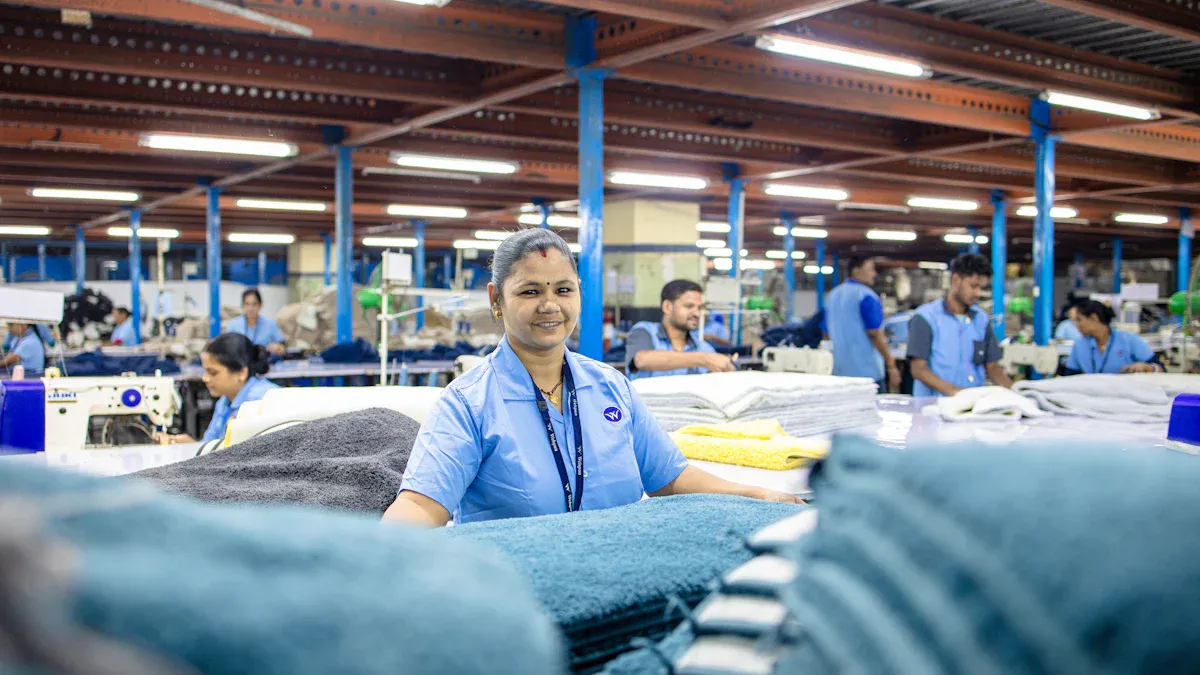
Understanding the garment manufacturing process enables truly eco-friendly choices. From sustainable bamboo to supple garments, the entire process is key to its environmental story. Your support for sustainable fashion can encourage the entire fashion industry to adopt better production methods. Therefore, choosing bamboo is itself a powerful statement of sustainability.
Understanding Production Methods
You should know that not all bamboo fabric is created with the same eco-friendly care. The process used to turn the tough bamboo stalk into soft fibers matters greatly. Some methods are far more sustainable than others. Choosing fashion from brands that use responsible techniques ensures your eco-friendly bamboo purchase aligns with your values. This is a critical step for the future of sustainable fashion.
The Eco-Friendly Closed-Loop System
You can support advanced sustainability by choosing bamboo made in a closed-loop system. This modern, eco-friendly process is a game-changer for fashion. It uses a non-toxic solvent to dissolve the bamboo pulp. The best part is how this system handles resources.
This sustainable process is incredibly efficient. It allows manufacturers to:
- Recycle and reuse about 99.5% of the solvent.
- Use significantly less water than other methods.
This eco-friendly approach minimizes waste and pollution, making the resulting bamboo fabric a top-tier sustainable material. This commitment to sustainability makes the eco-friendly bamboo even better for the planet.
Choosing Responsibly Made Fabric
You have the option to choose bamboo fiber clothing produced responsibly. To ensure your fashion apparel is truly eco-friendly and safe, you can check for relevant certifications. The OEKO-TEX® STANDARD 100 label is a great example. This certification means that every part of the garment, from the thread to the buttons, has been tested for over 1,000 harmful substances. When you see this label on sustainable bamboo products, you know it’s harmless to your health. These sustainable practices help you make informed eco-friendly choices, thus supporting a safer and more transparent sustainable fashion industry.
Seven advantages confirm that bamboo fiber knitted fabric is a top-tier eco-friendly material for sustainable fashion. Choosing eco-friendly clothing directly supports sustainability and a sustainable lifestyle. Choosing a brand with environmental transparency like Suerte and purchasing sustainable bamboo fiber clothing further promotes sustainable fashion.
This sustainable, biodegradable bamboo fabric makes your eco-friendly clothing a win for sustainability. Your eco-friendly clothing from sustainable bamboo is a great choice for sustainable fashion. This sustainable, eco-friendly, biodegradable bamboo is a great choice for eco-friendly clothing. Your eco-friendly clothing made from sustainable bamboo is a great choice for eco-friendly clothing. This sustainable bamboo is an eco-friendly choice for sustainability. Your eco-friendly clothing made from sustainable bamboo is a great choice for sustainability. This sustainable, eco-friendly, biodegradable bamboo is a great choice for eco-friendly clothing. Your eco-friendly clothing made from sustainable bamboo is a great choice for eco-friendly clothing. This sustainable, eco-friendly bamboo is a great choice for your sustainable clothing. This sustainable, eco-friendly bamboo is a great choice for your bamboo apparel.
FAQ
Is jersey bamboo fabric soft?
Yes, you will find jersey bamboo fabric is exceptionally soft. Its smooth, round fibers create a silky texture that feels gentle against your skin. Many people compare its luxurious feel to high-quality materials like cashmere.
How do I care for my bamboo clothing?
You can easily care for your bamboo garments. To maintain their quality, you should follow a few simple steps:
- Wash in cold water on a gentle cycle.
- Avoid using bleach or fabric softeners.
- Tumble dry on a low setting or hang to dry.
Is all bamboo fabric processed sustainably?
The production method matters for sustainability. You should choose fabric made using a closed-loop system, which recycles water and solvents. Look for certifications like OEKO-TEX® to ensure the product is free from harmful substances and made responsibly.
Does bamboo fabric wrinkle easily?
You will notice that bamboo fabric resists wrinkles better than many other natural fibers, like cotton. While it is not completely wrinkle-proof, any creases that form will often fall out with your body heat or a quick, light steaming.