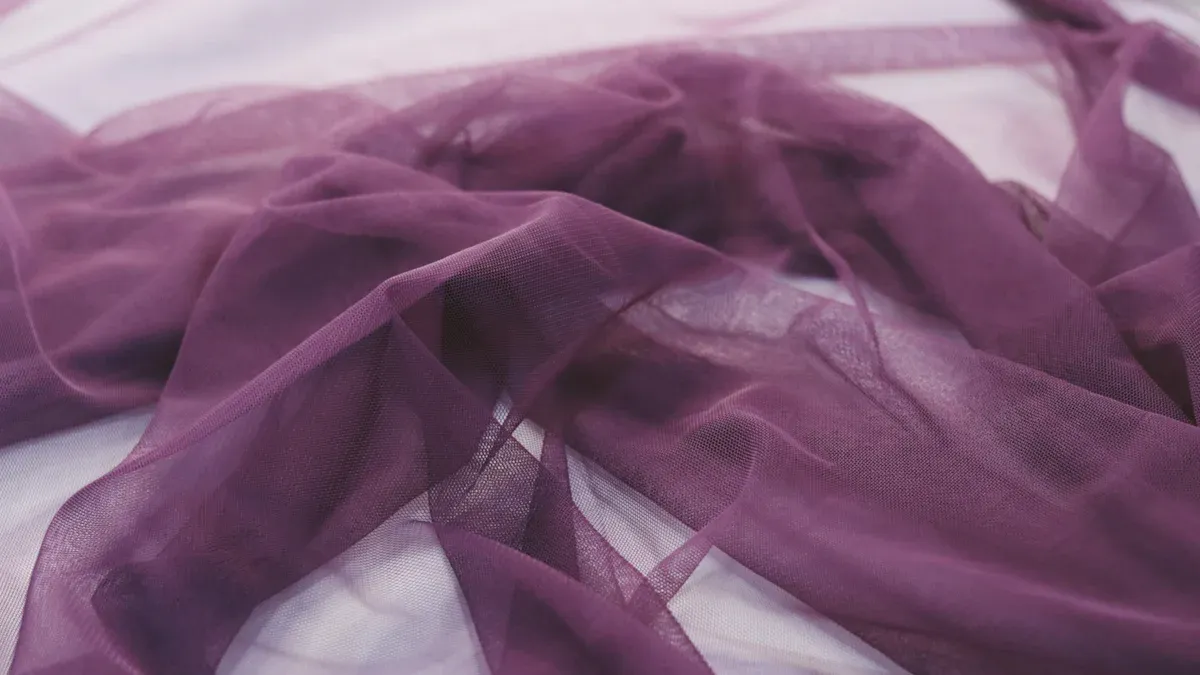
You can confidently choose bamboo charcoal fabric because of its sustainability. The eco-friendly journey begins with bamboo, a rapidly renewable resource. This bamboo charcoal fabric stands in stark contrast to traditional textiles. Consider the environmental impact of ordinary cotton:
- In 2023, it accounted for 19.9% of global fiber production.
- Its production process requires the extensive use of chemicals, causing water and soil pollution.
- Each kilogram of fiber can have a carbon footprint exceeding 6 kilograms of carbon dioxide.
The production process of bamboo has significant environmental benefits, and this material is biodegradable, unlike synthetic materials which cause pollution.
Key Takeaways
- Bamboo charcoal fabric is environmentally friendly. It is derived from a fast-growing plant that requires little water and eliminates the need for pesticides.
- The production process for this fabric is highly efficient, making full use of bamboo and generating useful byproducts.
- Bamboo charcoal fabric helps reduce your environmental footprint. It is odorless, thus reducing the frequency of washing. It is also durable.
- This fabric is beneficial to the planet after use; it is biodegradable and does not produce microplastic pollution.
The Source: Why Bamboo Growth is Inherently Sustainable
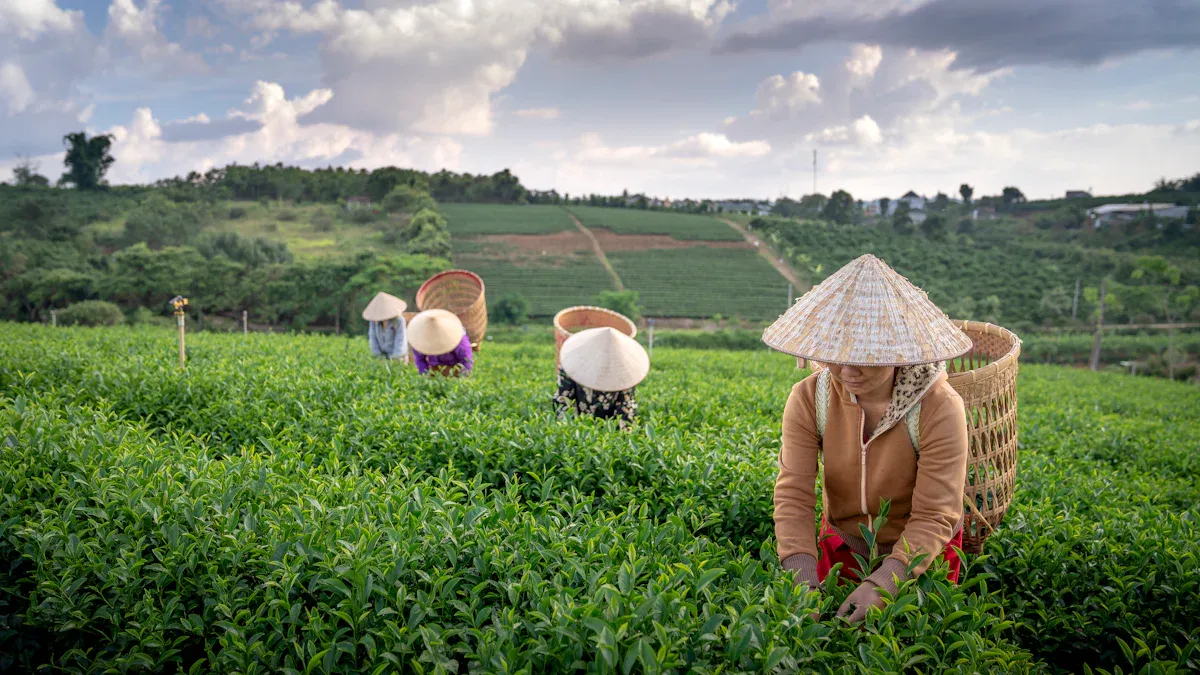
The environmental advantages of bamboo charcoal fabric stem from its source: bamboo itself. By choosing this fabric, you are supporting a cyclical development that benefits the planet. Bamboo is a truly exceptional and sustainable material.
A Fast-Growing, Renewable Resource
You’ll appreciate bamboo’s astonishing regenerative capacity. Moso bamboo, the type commonly used in textiles, can grow over a meter a day and reach full maturity in less than a year. This incredible growth rate makes it one of the fastest-growing plants on Earth. In contrast, broadleaf trees grow much more slowly, making bamboo ideal for rapid harvesting and regeneration. This ensures a stable supply of bamboo while avoiding the destruction of natural forests.
Low Water and No Pesticide Needs
Choosing to grow bamboo helps conserve precious resources. Compared to traditional water-intensive crops like cotton, bamboo requires significantly less water to grow. This difference is astonishing.
| Material | Water Usage (Liters per kg of fiber) |
|---|---|
| Bamboo | 50 |
| Conventional Cotton | 10,000 |
A Natural Defender 🛡️
Bamboo contains a natural antibacterial agent called “bamboo kun.” This bioactive substance protects the plant from pests and pathogens. Therefore, farmers can grow bamboo without using harmful pesticides or fertilizers, thus keeping soil and water clean.
Improving Soil and Air Quality
The benefits of bamboo extend beyond the soil to the air. This plant’s dense and extensive root system is a powerful tool for maintaining environmental health.
- It binds topsoil together, preventing erosion of slopes and riverbanks.
- It improves soil structure, allowing more rainwater to seep into the soil.
On the ground, bamboo forests act like giant air purifiers. They absorb four times the amount of carbon dioxide of an equivalent area of forest. Choosing bamboo products is supporting a plant that actively addresses climate change and restores the health of the Earth’s soil.
Production Impact: The Environmental Benefits of the Process
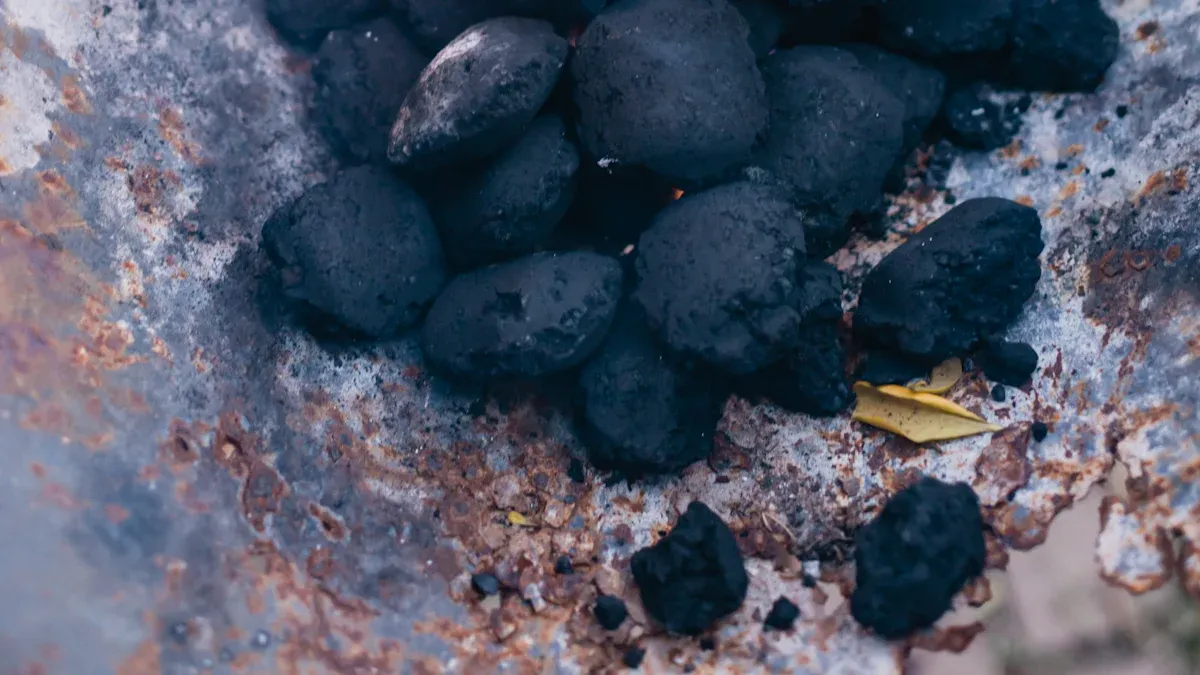
The entire process from bamboo stalks to soft textiles offers significant environmental benefits. You can rest assured that the production process is designed to maximize efficiency and minimize waste. This emphasis on sustainable production sets it apart from many other fabrics on the market.
From Plant to Charcoal: A Low-Waste Method
You might wonder just how much of the bamboo is actually utilized. The process of turning bamboo into charcoal is extremely efficient, sometimes yielding over 74% of the material. This means that virtually no bamboo is wasted.
This process also produces valuable byproducts. There is no waste whatsoever. The liquid collected during carbonization, known as bamboo vinegar, has a wide range of uses. This recycling approach ensures that every part of the plant is utilized.
Zero Waste in Action ♻️ By-products from making bamboo charcoal are used in many industries:
- Cosmetics and alternative medicine
- Natural insecticides for agriculture
- Deodorants for air and water purification
- Food processing applications
How Bamboo Charcoal Fabric is Made
Several key steps are required to produce the final bamboo fabric. First, mature bamboo is harvested and fired into bamboo charcoal at high temperatures in a kiln. The bamboo charcoal is then ground into nano-sized particles. These tiny particles are directly embedded into the bamboo fibers to create bamboo charcoal yarn. Finally, this bamboo charcoal yarn is woven or knitted into the final fabric.
You should know that there are many methods for producing the fiber itself. There are two main processes: viscose fiber and lyocell fiber. The lyocell fiber process is clearly superior in terms of environmental friendliness. It uses non-toxic solvents, is produced in a closed-loop system, and can recycle over 99% of the material. Choosing fabric produced using this advanced process is making the most environmentally friendly choice.
| Aspect | Bamboo Viscose | Bamboo Lyocell |
|---|---|---|
| Chemical Usage | Harsh chemicals (NaOH, CS2) | Non-toxic solvent (NMMO) |
| Process Type | Open-loop (pollution risk) | Closed-loop (minimal waste) |
| Solvent Recovery | Low | 99%+ |
| Water & Energy Usage | High | Low |
The Role of Certifications (FSC & OEKO-TEX)
You can confidently choose sustainable products by checking out key certifications. These labels guarantee a responsible production process, from forest to fabric.
Forest Stewardship Council (FSC) certification ensures that bamboo comes from responsibly managed forests. It confirms that harvesting methods protect local ecosystems and the people who depend on them. When you see the FSC label, you know that the bamboo was sourced without harming forest health, biodiversity, or local communities. Key requirements include:
- Protecting biodiversity and natural habitats.
- Respecting the rights of Indigenous peoples and workers.
- Following comprehensive long-term management plans.
OEKO-TEX® Standard 100 certification targets the final product, ensuring your bamboo charcoal fabric is safe for your skin. OEKO-TEX tests every component of textiles, from bamboo charcoal yarn to buttons and zippers, ensuring the product is free of over 1,000 harmful substances, giving you complete peace of mind.. It certifies the product is free from a list of over 1,000 harmful substances, giving you total peace of mind.
In-Use Benefits: How the Fabric Reduces Your Footprint
Even after purchase, you can still reduce your environmental impact in the long term. The unique properties of bamboo charcoal fabric provide sustainable benefits throughout its entire lifespan. These properties help you conserve resources such as water and energy when wearing clothing.
Natural Odor Resistance Means Less Washing
Using this fabric, you will reduce the number of times you do laundry. Bamboo charcoal has a porous structure that naturally absorbs and removes moisture and odor-causing compounds. This powerful antibacterial property keeps your clothes fresh for longer. This is especially beneficial for sportswear. Fewer washes mean saving water, energy, and time. The superior antibacterial properties of this fabric are particularly outstanding compared to other textiles.
| Fabric Type | Odor Control Properties |
|---|---|
| Bamboo Fabric | Offers impressive odor control due to natural antibacterial properties and moisture-wicking. |
| Cotton | Natural fibers absorb moisture and inhibit bacterial growth, which reduces odor. |
| Polyester | Has poor odor control; attracts compounds that promote bacterial growth. |
This inherent antibacterial function means you can wear the garment more times between washes, directly lowering your household’s environmental footprint.
Durability for a Longer Lifespan
Choosing high-quality bamboo charcoal fabric is an investment in a long-lasting wearing experience. Its strong fibers create a durable fabric that resists pilling and withstands everyday wear. This longer lifespan is one of its key environmental advantages. The longer you wear your clothes, the more clothes you buy. This not only reduces consumer waste but also lowers the demand for new resources, making it a smart and sustainable choice.
Enhanced Comfort Without Chemical Finishes
You can enjoy exceptional comfort derived from nature. The superior performance of this fabric does not stem from chemical treatments; its impressive temperature-regulating properties come entirely from the bamboo charcoal itself.
A Natural Thermostat 🌡️
Bamboo charcoal yarn emits far-infrared rays. This helps your body maintain a stable temperature. It keeps you warmer in the cold and cooler in the heat.
| Property | Bamboo Charcoal Yarn | Regular Woolen Yarn |
|---|---|---|
| Warm-up Temperature | 10°C | 5°C |
| Infrared Ray Emission | 87–92% more | Baseline |
This fabric boasts exceptional moisture-wicking properties, making it ideal for sportswear and antibacterial garments. Made with natural antibacterial materials, it avoids the synthetic fiber treatments commonly found in other sportswear, resulting in all these superior properties. This makes it a truly comfortable and environmentally friendly choice. Its antibacterial properties further enhance its appeal.
End-of-Life: The Eco-Friendly Benefits of Biodegradability
You can rest assured about how your bamboo charcoal clothing will be disposed of when you no longer need it. Unlike synthetic fibers that can linger in landfills for hundreds of years, this natural textile has a responsible final disposal method. Its biodegradability is one of its most important environmental advantages. The final stage of this fabric’s life cycle marks the completion of its sustainable journey, ensuring its impact on the planet is minimized.
Returning to the Earth Naturally
You choose a fabric that returns to nature when you select bamboo charcoal. Because it comes from a plant, it is fully biodegradable. When disposed of properly, microorganisms in the soil break it down, turning it back into organic matter. This process enriches the earth instead of polluting it. This natural cycle stands in sharp contrast to synthetic materials like polyester.
| Aspect | Bamboo Fabric | Polyester |
|---|---|---|
| Biodegradability | Fully biodegradable | Non-biodegradable, persists in environment |
| Environmental Impact | Low; Biodegradable | High; Non-biodegradable |
Choosing biodegradable textiles such as bamboo fiber helps reduce the large amounts of waste accumulating in landfills. Under suitable conditions, bamboo fiber fabrics decompose in about a year, while other natural fibers such as cotton decompose in just a few months. This decomposition process is highly beneficial for waste management and contributes to the development of a circular economy.
Avoiding Microplastic Pollution
You help fight a major source of ocean pollution by choosing bamboo charcoal fabric. Synthetic clothes, like those made from polyester and nylon, release tiny plastic fibers every time you wash them. These microplastics are a huge problem.
A Hidden Pollutant 🌊
Washing synthetic fiber clothing is one of the main causes of microplastic pollution. It is estimated to account for approximately 35% of native microplastics in the world’s oceans.
These tiny particles are too small for water treatment plants to filter out. They flow into rivers and oceans, harming marine life and entering the global food chain. It is estimated that approximately 5.69 million tons of microplastic fibers are released from clothing washing each year. Bamboo charcoal fabric is a natural material that does not shed plastic microfibers. Wearing clothing made of bamboo charcoal fabric effectively prevents plastic pollution of our precious waterways.
You can confidently choose bamboo charcoal fabric, a superior environmentally friendly option. The production process of bamboo charcoal fabric begins with sustainable bamboo and ends up as a fully biodegradable textile. The market for this fabric is growing rapidly, clearly indicating that consumers are shifting towards sustainable choices. Choosing a transparent manufacturer like Suerte gives you peace of mind in making a change. Look for key certifications to ensure your bamboo charcoal fabric comes from the most responsible bamboo producing regions.
FAQ
Is bamboo charcoal fabric better than regular bamboo fabric?
You gain superior performance with bamboo charcoal. It infuses the fabric with natural odor-fighting and thermal-regulating properties. This means your clothes stay fresher and more comfortable, making it an excellent upgrade from standard bamboo textiles for activewear and daily use.
How do I care for my bamboo charcoal clothes? 🧺
You can easily maintain your garments. Simply wash them in cold water on a gentle cycle and dry on a low setting. Because the fabric naturally resists odors, you will do less laundry. This helps you save significant amounts of water and energy over time.
Is all bamboo fabric eco-friendly?
You should choose carefully to ensure sustainability. The most eco-friendly bamboo fabric is made using the Lyocell method.
You can verify a product’s green credentials by looking for key certifications like FSC, which guarantees responsible sourcing, and OEKO-TEX, which ensures the fabric is free from harmful substances.
Where can I find reliable bamboo charcoal fabric?
You should seek out an expert manufacturer for the best results. A one-stop service provider like Suerte offers comprehensive support, from pattern design to fabric selection and production. This ensures you receive high-quality, sustainable fabric tailored to your specific needs.