I’m often asked if wetsuit fabric shrinks. The answer is yes, but the degree of shrinkage depends on the type and quality of the fabric. Neoprene and wetsuit jersey shrink differently. See the table below:
Fabric Type | Shrinkage Rate |
|---|---|
Scuba Crepe | 2% to 8% (avg. 2.5%) |
Neoprene | Varies by quality |
Low-quality neoprene shrinks more. High-quality neoprene almost never changes shape. I always say to wash gently and dry with cool air. You can stop most shrinking if you care for it the right way!
Key Takeaways
scuba material fabric will shrink, but the degree of shrinkage depends on the type and quality of the fabric. High-quality neoprene shrinks less than lower-quality neoprene.
High temperatures are the main cause of shrinkage. Always wash wetsuit fabrics in cold water and air dry them to prevent damage.
Pre-washing new scuba knit fabric helps reduce future shrinkage and maintain a good fit.
The correct way to store diving gear is to clean it thoroughly and then store it in a cool, dry place to maintain its shape.
Check the fit of your neoprene gear after washing. If it feels too tight or too loose, it may need repair or replacement.
scuba fabric shrinkage explained
what is scuba fabric
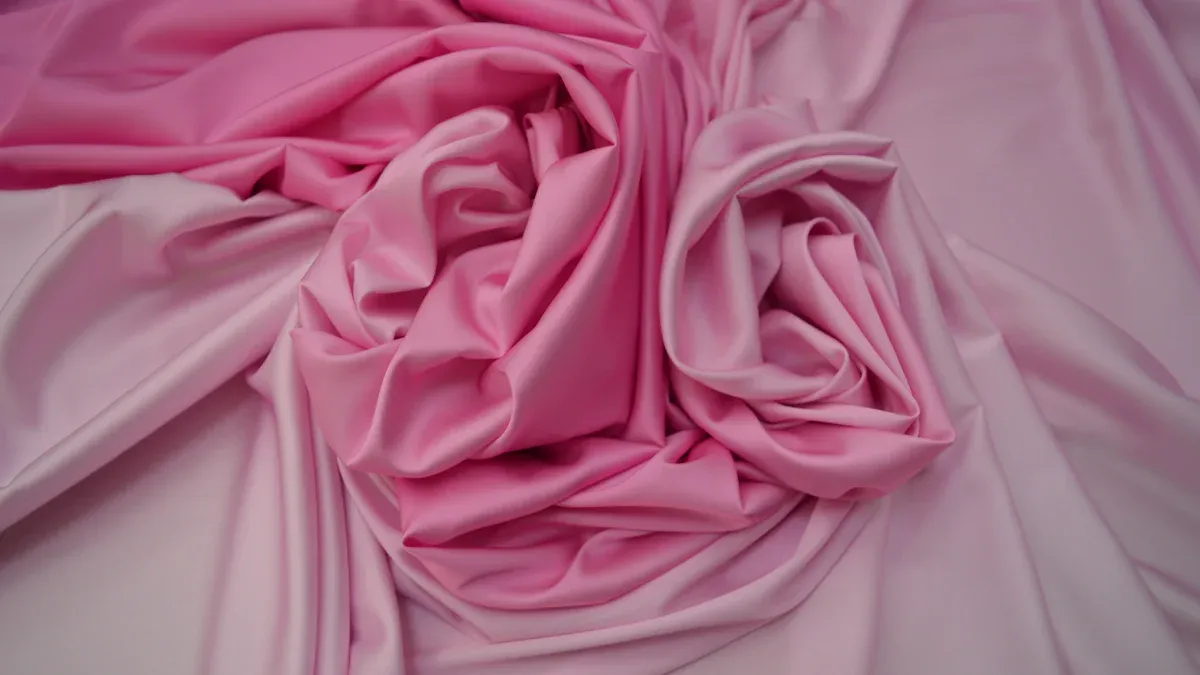
When I first heard of wetsuit fabric, I thought it was only used for wetsuits. That’s not the case. Wetsuit fabric is a thick, stretchy fabric with a smooth appearance and soft feel. People use it to make dresses, skirts, and even activewear. It gets its name because it looks very similar to the fabric used in wetsuits. Most wetsuit fabrics are made from synthetic fibers. These fibers help the fabric maintain its shape and give it some elasticity. I like its durability and wrinkle-resistant properties.
neoprene fabric properties
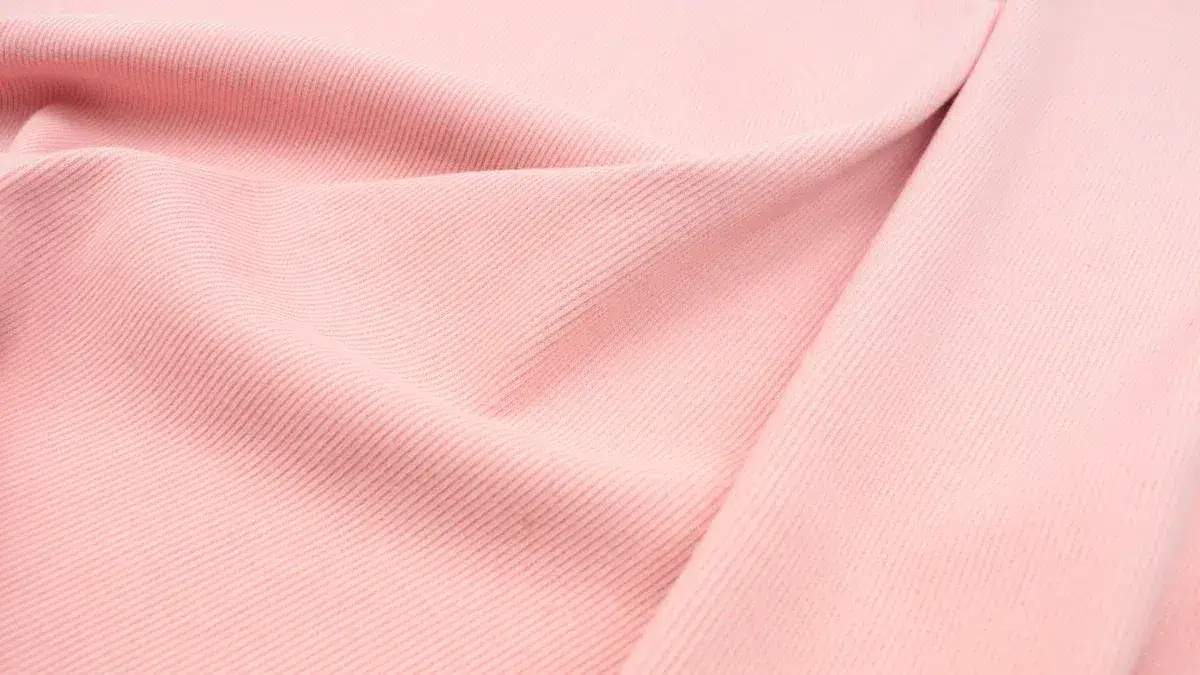
Now, let’s talk about neoprene. Neoprene is a synthetic rubber. I’ve seen it used in wetsuits, laptop sleeves, and even some fashion items. The characteristics of neoprene fabric make it unique. It has a thick and elastic feel, possesses good stretchability, and excellent resilience. Neoprene fabric does not easily absorb water, thus keeping you warm while swimming or diving. I believe it is strong and durable, but it can still shrink if not properly cared for.
If neoprene fabric is heated to 70 degrees Celsius and maintained at that temperature for 24 hours, its shrinkage rate can reach up to 2%. While this shrinkage is not significant, it is crucial if you want your equipment to fit perfectly. The elasticity and waterproof properties of neoprene fabric stem from the characteristics of its synthetic fibers.
shrinkage rates and factors
I I’ve noticed that not all wetsuit fabrics shrink in the same way. Neoprene does shrink, but the degree of shrinkage depends on several factors. First, temperature is a significant factor. If neoprene fabric is washed in hot water or tumble-dried at high temperatures, it will deform. High temperatures cause the synthetic fibers to contract and begin to break down and shrink after repeated use.
Here are the main factors affecting shrinkage:
- Heat from washing or drying
- Quality of the neoprene
- Age and frequency of use
Tip: I always wash my neoprene gear in cold water and air dry it. This helps maintain the shape and prevent most shrinkage.
Neoprene wetsuit fabric is tough and durable, but it still requires proper care. By following simple steps, you can keep your gear fitting well for a long time.
causes of shrinkage in scuba fabric
heat and drying effects
High temperature is the main reason for neoprene fabric shrinkage. Washing in hot water or tumble drying at high temperatures alters the fiber structure. As the temperature increases, the molecules within the fabric move faster. This causes the fabric to contract and even crack. Even moderate temperatures can damage thermoplastic fibers like nylon, which is often blended with neoprene.
The table below lists the effects of high temperatures on fabrics:
Aspect | Findings |
|---|---|
High Temperatures in Washing | High temperatures can lead to shrinkage due to thermal deformation and mechanical actions. |
Drying Process | Drying at high temperatures (40–60 °C) can cause shrinkage due to heat and mechanical actions. |
Fiber Damage | Thermoplastic fibers like nylon can shrink or be damaged at moderately high temperatures. |
Molecular Motion | Increased temperature enhances molecular motion, improving washing effectiveness but risks damage. |
Surface Structure Changes | Cracks and breaks on fiber surfaces occur at high washing temperatures due to thermal expansion. |
Even a slight increase in temperature can have a significant impact. To keep neoprene fabric in good condition, I wash it in cold water and let it air dry. This helps prevent most shrinkage.
neoprene quality impact
Neoprene rubber comes in different grades. The quality affects its shrinkage. High-quality neoprene has very low shrinkage. Its chemical composition allows it to maintain flexibility and strength. It remains soft even in cold environments and does not crack or deform. Lower-quality neoprene shrinks more when exposed to heat or stress.
Let me explain with this table:
Property | Benefit |
|---|---|
Flexibility | Remains flexible at low temperatures; resistant to cracking and shrinkage |
Mechanical Strength | Good tensile strength and tear resistance under dynamic conditions |
Some studies have explored the performance of neoprene in different environments. Research shows that unfilled neoprene is more sensitive to heat. Its strength changes significantly after being heated. Filled neoprene, which has other substances added, has better heat resistance. I always check the quality of the neoprene fabric whenever I buy it. Higher quality means lower shrinkage and a longer lifespan.
aging and repeated use
Even the best neoprene fabric can shrink over time. Using it a lot and getting older makes it weaker. Every time I Even the best neoprene fabric will shrink over time. Frequent use and aging will reduce its strength. Every time a wetsuit is used, it stretches slightly. High temperatures and improper care accelerate this process. Leaving equipment exposed to sunlight for extended periods or not rinsing it will lead to more severe shrinkage.
Here are some things I need to be aware of:
- Frequent use of equipment and high temperatures lead to gradual shrinkage.
- Neoprene can stretch, but excessive stretching will affect the fit.
- Rinsing with fresh water and avoiding direct sunlight helps extend its lifespan.
- Polyester blend fabrics become thicker and less elastic over time.
- Aging changes the feel and fit of the fabric.
I also consider how long my equipment will last. Most wetsuits and drysuits have a lifespan of about 3 to 5 years. After that, shrinkage or fit issues may occur.
Gear Type | Average Lifespan | Issues Arise |
|---|---|---|
Wetsuits | 3–5 years | Shrinkage, fit problems |
Drysuits | 3–5 years | Shrinkage, fit problems |
If I take good care of my wetsuit, it will last longer. But I know that frequent use and aging will cause some shrinkage. This is an inevitable consequence of using neoprene equipment.
scuba fabric washing and care
washing methods to prevent shrinkage
When cleaning my wetsuit and diving gear, I always try to keep the process simple. I know that high temperatures are the enemy of synthetic materials like neoprene and wetsuit fabrics. Here’s how I prevent shrinkage:
- Before washing, I always read the care label. This helps me follow the correct steps.
- I wash all my gear in cold water. Hot water causes fibers to shrink, leading to shrinkage.
- I use the gentle cycle on my washing machine. Excessive friction can stretch or damage the fabric.
- I never overload the washing machine. The garments need enough space to be cleaned properly.
- I always air dry my gear in a cool, well-ventilated place. The heat from a dryer or sunlight can deform the garment or even melt the fibers.
- After each use, I rinse my gear with fresh water. This removes salt and minerals that can damage the neoprene.
Tip: Avoiding hot water and direct sunlight is the best way to keep your wetsuit fabric in good condition.
pre-washing benefits
I like to pre-wash new wetsuit fabrics before sewing or wearing them. Pre-washing allows the fabric to shrink slightly before use. This means my garments maintain their size and shape after washing. I’ve noticed that pre-washing reduces shrinkage to about 4-6%. This helps my garments fit better and last longer. Pre-washing also removes any factory residue or dirt.
Pre-washed fabric maintains its fit and shape.
Pre-shrinking helps the fabric maintain the correct size.
Pre-washing removes dust and factory residue.
storage tips
Proper storage of wetsuit and diving gear is very important. I always clean and dry my gear before storing it. Here are my storage steps:
I waI clean and dry all my gear to remove dirt and salt.sh and dry everything to remove dirt and salt.
I store my gear in a cool, dry, and dark place. This avoids high temperatures and sunlight.
I lay my wetsuit flat or hang it on a thick hanger. This prevents folding and creasing.
I store my mask in a box or wrapped in cloth to protect its shape.
I lay my fins flat or support them to prevent bending.
Rúguǒ wǒ ànzhào zhèxiē bùzhòu cāozuò, wǒ de qiánshuǐ fú zhuāngbèi jiù néng bǎochí liánghǎo zhuàngtài duōnián. Tuǒshàn de cúnfàng kěyǐ bǎochí qí yuán yǒu chǐcùn, fángzhǐ suōshuǐ huò sǔnhuài. Lǜ dīng xiàngjiāo zhuāngbèi de héshēn dù hé tiáozhěng qīngxǐ hòu jiǎnchá héshēn dù qīngxǐ lǜ dīng xiàngjiāo zhuāngbèi hòu, wǒ zǒng shì huì jiǎnchá héshēn dù. Wǒ huì chuān shàng qiánshuǐ fú huò shǒutào, ránhòu huódòng yīxià. Rúguǒ lǜ dīng xiàngjiāo gǎnjué tài jǐn huò tài sōng, wǒ jiù zhīdào yǒuxiē dìfāng bùduìjìnle. Yǒushí, lǜ dīng xiàngjiāo zài qīngxǐ hòu huì gǎnjué yǒudiǎn jǐn, dàn tōngcháng chuān yīhuǐ’er jiù huì sōngchí xiàlái. Wǒ huì jiǎnchá lǜ dīng xiàngjiāo shìfǒu yǒu lèi jǐn huò sōng kuǎ dì dìfāng. Rúguǒ wǒ kàn dào zhězhòu huò fèngxì, shuōmíng chǐcùn bù héshì. Rúguǒ chǐcùn bù héshì, tā kěnéng wúfǎ zài shuǐzhōng tígōng liánghǎo de bǎohù. Wǒ xǐhuān zuò yīxiē jiǎndān de lā shēn cèshì, lìrú wānqū shǒubì hé tuǐ bù. Hǎo de lǜ dīng xiàngjiāo yīnggāi nénggòu suízhe wǒ de dòngzuò ér shēnzhǎn, bìng huīfù yuánzhuàng. Hé shí wéixiū huò gēnghuàn wǒ huì mìqiè guānzhù wǒ de lǜ dīng xiàngjiāo zhuāngbèi de wàiguān hé chùgǎn. Yǐxià shì yīxiē jìxiàng, biǎomíng shì shíhòu wéixiū huò gēnghuàn wǒ de zhuāngbèile: Lǜ dīng xiàngjiāo gǎnjué jiāngyìng huò xiàng bōlí yīyàng, ér bùshì róuruǎn yǒu tánxìng. Yánsè cóng shēn hēisè biàn chéng àn huīsè huò fěn báisè. Wǒ kàn dào yánzhe wānqū chù huò biānyuán yǒu xìxiǎo de lièwén. Mìfēng quān bǎochí biǎnpíng, wúfǎ huīfù yuánzhuàng. Xíngzhuàng kàn qǐlái zhǒngzhàng huò biānyuán tú chū. Rúguǒ wǒ zhùyì dào zhèxiē wèntí, wǒ jiù zhīdào lǜ dīng xiàngjiāo yǐjīng lǎohuà huò mósǔnle. Xìxiǎo de lièwén huò àndàn de bāndiǎn yìwèizhe wǒ yīnggāi jǐnkuài wéixiū zhuāngbèi. Rúguǒ lǜ dīng xiàngjiāo bù héshēn huò chíxù suōshuǐ, wǒ jiù huì kāishǐ xúnzhǎo xīn de zhuāngbèi. Wǒ xīwàng wǒ de zhuāngbèi nénggòu ràng wǒ zài shuǐzhōng gǎndào ānquán shūshì. Gòumǎi héshì de chǐcùn gòumǎi xīn de lǜ dīng xiàngjiāo zhuāngbèi shí, wǒ zhù chóng xuǎnzé héshì de chǐcùn. Wǒ liǎojiě dào lǜ dīng xiàngjiāo shíjì shang bù huì suōshuǐ. Rúguǒ wǒ de qiánshuǐ fú gǎnjué gèng jǐnle, tōngchángshì yīnwèi wǒ de shēncái fāshēngle biànhuà, ér bùshì lǜ dīng xiàngjiāo běnshēn. Wǒ huì cháng shì bùtóng de chǐcùn, bìng huódòng yīxià, kàn kàn nǎ zhǒng gǎnjué zuì hǎo. Wǒ quèbǎo lǜ dīng xiàngjiāo tiēshēn dàn bù lēi rén. Xuǎnzé héshì de chǐcùn kěyǐ ràng wǒ bǎochí shūshì, xiǎngshòu zài shuǐzhōng de shíguāng. Xiǎo tiē shì: Gòumǎi lǜ dīng xiàngjiāo zhuāngbèi zhīqián yīdìng yào shì chuān. Huódòng yīxià shǒubì hé tuǐ bù, quèbǎo tā héshēn.
展开
734
If I follow these steps, my wetsuit gear will stay in good condition for years. Proper storage helps maintain its original size and prevents shrinkage or damage.
fit and adjustment for neoprene gear
checking fit after washing
After cleaning my wetsuit gear, I always check the fit. I put on the wetsuit or gloves and move around. If the neoprene feels too tight or too loose, I know something is wrong. Sometimes, neoprene feels a little tight after cleaning, but it usually loosens up after wearing it for a while. I check for any areas where the neoprene is constricting or sagging. If I see wrinkles or gaps, it means the size isn’t right. If the size is wrong, it may not provide adequate protection in the water. I like to do some simple stretch tests, such as bending my arms and legs. Good neoprene should stretch with my movements and return to its original shape.
when to repair or replace
I pay close attention to how my neoprene gear looks and feels. Here are some signs that tell me it’s time to repair I pay close attention to the look and feel of my neoprene gear. Here are some signs that it’s time to repair or replace my gear:
- The neoprene feels stiff or glass-like, instead of soft and flexible.
- The color has changed from deep black to a dull gray or off-white.
- I see small cracks along the bends or edges.
- The seals remain flat and don’t return to their original shape.
- The shape looks swollen or the edges are bulging.
If I notice these problems, I know the neoprene is aging or worn out. Small cracks or dull spots mean I should repair the gear as soon as possible. If the neoprene doesn’t fit properly or continues to shrink, I’ll start looking for new gear. I want my gear to make me feel safe and comfortable in the water.
buying the right size
When buying new neoprene gear, I focus on choosing the right size. I’ve learned that neoprene doesn’t actually shrink. If my wetsuit feels tighter, it’s usually because my body shape has changed, not the neoprene itself. I try on different sizes and move around to see which one feels best. I make sure the neoprene is snug but not constricting. Choosing the right size allows me to stay comfortable and enjoy my time in the water.
Tip: Always try on neoprene gear before buying it. Move your arms and legs to make sure it fits properly.
common misconceptions
shrinkage vs. compression
I often hear people confuse shrinkage and compression. Shrinkage refers to fabric becoming smaller after washing or drying. Compression is different. It occurs when neoprene is subjected to prolonged pressure, such as when I wear my wetsuit frequently. The foam inside the neoprene flattens. This makes the wetsuit feel thinner and less warm, but the size doesn’t actually change.
Tip: If your wetsuit feels colder or thinner, it’s likely due to compression, not shrinkage.
Here’s a simple table to help you differentiate:
Term | What Happens | Main Cause |
|---|---|---|
Shrinkage | Fabric gets smaller | Heat, washing |
Compression | Foam gets thinner | Pressure, use |
myths about scuba fabric washing
I’ve heard some strange things about cleaning wetsuit fabric. Let me clarify some misconceptions:
- Misconception: Neoprene must be hand-washed.
Truth: I machine wash on a gentle cycle with cold water, and it works great. - Misconception: Hot water cleans better.
Truth: Hot water damages wetsuit fabric and causes shrinkage. Cold water is safer. - Misconception: Sun drying is best.
Truth: Sunlight breaks down neoprene, leading to fading or cracking.
I always use cold water and air dry in the shade. This makes my gear last longer.
fit changes from use
Sometimes, my wetsuit feels tighter or looser after a few months of use. I used to think it was shrinkage, but that’s not always the case. Here’s what I’ve learned:
- Neoprene stretches with use, especially at the knees and elbows.
- My body shape also changes, which affects the fit of my gear.
- Compression makes the wetsuit feel thinner, not smaller.
If my wetsuit feels different, I check for wear and tear, not just washing-related issues. I regularly try on my gear to ensure it still fits. This way, I can stay comfortable and safe underwater.
I’ve learned that wetsuit fabric can shrink, but with good care, I can avoid most problems. I rinse my wetsuit with fresh water after every dive. I use a wetsuit-specific detergent for deep cleaning and wax the zippers before storing my gear. I thoroughly dry the seals on the wrists and neck and use talcum powder to keep them supple. I store the wetsuit in a place away from direct sunlight and regularly check it for damage.
FAQ
Can I put my wetsuit in the dryer?
I never put my wetsuit in the dryer. High heat can damage the fabric and cause shrinkage. I always hang my wetsuit in a cool, well-ventilated place to air dry. Natural drying helps maintain the wetsuit’s condition and extends its lifespan.
How often should I wash my wetsuit?
I wash my wetsuit after every use. Salt, sand, and chlorine can corrode the fabric. Rinsing with fresh water and using a mild detergent keeps the wetsuit soft and flexible. Regular washing also helps prevent odors.
Why does my wetsuit feel tighter after a few months?
Sometimes my wetsuit feels tighter because the neoprene compresses with use. My body shape might also change. Shrinkage due to high heat or improper care can also alter the wetsuit’s size. I check the fit after each washing and drying.
What are some common uses for neoprene fabric?
I’ve seen neoprene fabric commonly used in wetsuits, laptop sleeves, sports protective gear, and even fashion items. Neoprene is ideal for products that require elasticity, warmth, or waterproofing. I appreciate its versatility in various products.
Can I repair small tears in my wetsuit?
Yes, I repair small tears in my wetsuit with special neoprene glue or patches. I clean the damaged area first, then apply the glue and press the edges together. For larger tears, I take the wetsuit to a repair shop.