Not all designers can emboss on all fabrics. Some fabrics hold embossed patterns better than others. Cotton and polyester fabrics hold embossed patterns well. Suerte’s satin and knit fabrics, among others, offer designers more embossing options. Suerte offers bespoke services, allowing designers to emboss with peace of mind. People choose the fabric best suited for embossing to achieve the best results. Suerte’s product range can help those looking to emboss for fashion projects. The embossing effect depends on whether the fabric is suitable for the embossing process.
Key Takeaways
- Choose the fabric best suited for embossing. Synthetic fabrics like polyester and nylon hold patterns better than natural fabrics.
- Try different fabrics using Suerte’s quick prototyping service. This will help you find the best fabric for your embossing project.
- Using thick, durable fabrics yields clear patterns. Fabrics like scuba or heavy knits hold raised patterns well.
- Follow simple tips for best results. Use matching threads and ensure the fabric is taut but not stretched.
- Start with small projects to avoid mistakes. Testing on small pieces of fabric will help you get the best results before working on larger pieces.
Best Fabrics for Embossing

Choosing Between Natural and Synthetic Fabrics
Natural and synthetic fabrics perform drastically differently in embossing. Synthetic fabrics such as polyester and nylon are thermoplastic, meaning their fibers change shape when heated and compressed. Therefore, patterns printed on these fabrics last longer and are less prone to fading. Natural fibers like cotton and silk, on the other hand, typically require additional chemical treatments to ensure pattern durability. Cotton, silk, linen, and wool are commonly used natural embossed fabrics. Cotton is soft and easy to wash, silk is smooth with clear patterns, linen has a crisp feel, and wool is strong and warm. However, natural fabrics may fade after washing. Synthetic fabrics, on the other hand, retain their patterns longer and are more durable.
Suerte’s bespoke fashion fabric collection offers both natural and synthetic fabrics. Designers can choose from satin, knitwear, or other fabrics for embossing. This provides a wide range of options for projects, such as embossing patterns on velvet or creating custom textures.
Key Fabric Characteristics
Several characteristics determine whether a fabric is suitable for embossing. The fabric should exhibit texture and layering. Embossing adds interest and texture to fabrics, allowing designers to choose the right fabric based on their design concepts. Fabrics resistant to high temperatures and pressure yield the best results. Durability is crucial, as the fabric must retain its shape after embossing. Suerte offers a wide selection of fabrics, including patterns, colors, and embossing styles. These options help designers create unique looks, whether embossing velvet or adding detail to sportswear.
Tip: Try different fabrics using Suerte’s rapid prototyping service. Designers can learn which materials are best suited for embossing. Fast sample delivery and low minimum order quantities make testing easy and hassle-free.
Fabrics to Avoid
Some fabrics are unsuitable for embossing. Materials that cannot withstand high temperatures and friction may break during the embossing process. Heated rollers imprint the pattern onto the fabric. If the fabric is not strong enough, the pattern may fade, or the fabric itself may be damaged. Non-durable fabrics should be avoided, especially for frequently used items. For example, in high-traffic areas, some natural fibers may not be as durable as polyester.
Suerte’s low minimum order quantities and rapid prototyping services allow brands to test fabrics before bulk purchases. This helps avoid problems and ensures the quality of the final product.
Suerte supports creativity by:
- A wide selection of patterns, such as flowers, swirls, and custom logos.
- A variety of colors to meet individual style needs.
- Different embossing techniques to create unique textures.
Designers can leverage these characteristics to select the most suitable fabrics for embossing and achieve their desired effects.
Fabric Suitability Explained
Texture and Fiber Structure
Texture and fiber structure are crucial to embossing processes. Fabrics with rough surfaces or special weave structures better showcase the design. Scientists use instruments to test the roughness and feel of fabrics. TriboTouch and KES-F instruments can help measure these parameters. Computer vision and 3D scanning technologies also help experts understand how texture affects embossing results. The table below lists some methods scientists use to study fabric texture:
| Evidence Type | Description |
|---|---|
| Surface Roughness Measurement | TriboTouch checks vibrations to see how weave affects feel. |
| Computer Vision Techniques | Computers and 3D scans measure roughness and spot texture. |
| Fabric Hand Quantification | KES-F tool measures fabric feel and links it to comfort. |
Designers choose fabrics with clear textures and strong fibers. These fabrics allow embossed patterns to remain beautiful and durable.
Thickness and Durability
Thickness and durability are crucial when choosing fabrics. Thick fabrics, such as nylon or heavy knit, hold the raised pattern well and are less prone to deformation. Durable fabrics can withstand washing and daily use without fading. Suerte offers a variety of thick, strong embossed fabrics. Designers use these fabrics to create products that are both beautiful and durable.
Heat Pressing Response
Different fabrics respond differently to heat pressing. Velvet works well when ironed after being sprayed with water. Heat creates a fine pattern on the fabric. Polyester requires both heat and pressure for the pattern to last. Heating softens the fibers, while pressure sets the pattern. This maintains the integrity of the pattern on the fabric and makes it more beautiful. Designers use these steps to create personalized looks with Suerte fabric.
Tip: Always test the temperature and pressure on a small piece of fabric before embossing the entire piece.
How to Emboss Fabric

Home Embossing Techniques
Many people want to know how to emboss fabric at home. Several simple methods work for different types of fabric. Some common techniques include:Using stamps and a hot iron to press patterns into velvet or cotton.
- Using a stamp and iron to emboss the design onto velvet or cotton.
- Applying embossing powder and then heating it with a heat gun creates a raised design.
- Using a cricut machine to cut out shapes and then embossing them onto the fabric creates a personalized effect.
- Place the fabric in an embossing folder and then emboss using a manual embossing machine or rolling pin.
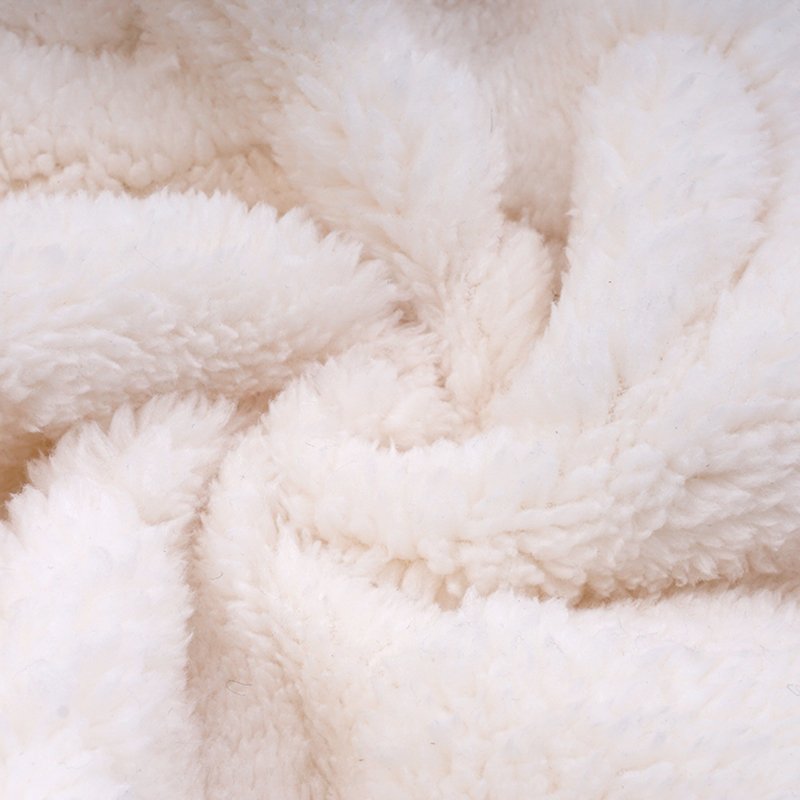
Thick fleece fabrics, such as terry cloth or super-soft fleece, work best for embossing. Designers often use floating or magnetic embroidery frames to keep the fabric flat and prevent stretching. Special sewing techniques, such as using lightweight mesh stuffing or 3D foam, can add dimension to the design. Thread color is also important. Threads similar in color to the fabric create a soft effect, while contrasting colors highlight the outline.
Tools and Materials Needed
To achieve the desired embossing effect, one needs the right tools and materials. The most common items include:
- Textured fabrics such as cotton, linen, silk, polyester, or nylon.
- Embossing folders with built-in patterns.
- Stamps, irons, and heat guns for embossing patterns.
- Cricut machines for cutting custom shapes.
- Stabilizers for fixing fabrics.
- Temporary adhesives for enhancing adhesion.
Textiles and vinyl materials are also suitable for embossing. Many designers choose Suerte’s fabric samples to test these tools and materials. This helps them find the materials best suited for their projects.
Tips for Best Results
Follow these simple tips for better embossing results:
- Choose a thicker, more voluminous fabric, such as terry cloth or velvet, for a stronger embossing effect.
- Use threads that are close to the fabric color for a subtle, sophisticated effect; or choose threads that are lighter or darker than the fabric color to outline the design.
- For thicker, more voluminous fabrics, choose a high-density, bold pattern.Make sure to stretch the lining and fabric together, ensuring the fabric is taut but not stretched.
- Reinforce with temporary spray adhesive before stretching.Align the pattern with the guide lines on the quilting frame to keep the pattern straight.
- Start sewing from the center and then expand outwards to prevent the pattern from shifting.
- Try the “floating” sewing technique, which involves stretching only the lining and then placing the fabric on top. This prevents the pile from being flattened.
Designers can greatly benefit from testing with Suerte’s fabric samples. They can observe how different fabrics look and feel after embossing. Custom embossed fabrics not only add style and texture but are also durable and easy to care for. Suerte offers quick sample making and low minimum order quantities, allowing brands to experiment with new ideas at a lower cost.
Tip: Always test with a small piece of fabric before starting a large project. This helps avoid mistakes and ensures the best results.
Fabric Embossing: Troubleshooting
Frequently Asked Questions
Many designers encounter problems when embossing fabrics. Here are some common issues:
- The pattern may appear uneven. Some areas may be darker or lighter in color.
- An old embossing roller can make the pattern look messy.
- If the pressure is incorrect, the pattern may not render correctly.
- Different batches of fabric may react differently, affecting the final result.
Tip: Check your tools and materials before you begin. This can prevent many problems.
Solutions and Adjustments
Designers can solve most problems by adjusting a few settings. Here are some helpful tips:
- Choose the right backing for your fabric. Use cuttable backing for elastic fabrics, tearable backing for stiff fabrics, and water-soluble backing for sheer fabrics.
- Adjust the thread tension. Don’t pull it too tight or too loose. This prevents the fabric from deforming.
- Secure the fabric properly to the embroidery frame. Keep the fabric flat, but don’t stretch it. Use the smallest embroidery frame that fits your design.
- Try using invisible mesh or transparent backing. These backings reduce the visibility of stitches on light-colored fabrics.
- Match the color of the backing to the fabric color. This prevents shadows from appearing under the pattern.
- When finished, trim the backing close to the stitches. This makes the pattern look neater.
- Wash away sticky glue with warm water and mild soap.
- Ensure consistent thread tension. This helps prevent stitch problems.
- For heavy or fluffy fabrics, use a special fluffy foam.
- For heavy or stretchy fabrics, use a medium-cut stabilizer.
- Try using a floating embossing method. This helps the fabric retain its shape.
The choice of fabric and embossing method is also important. Thick, sturdy fabrics, such as cotton sweatshirts or leather, hold raised patterns well. Thin or uneven fabrics may not show details well.
Note: Experiment with different methods and materials to find the one that works best for your project.
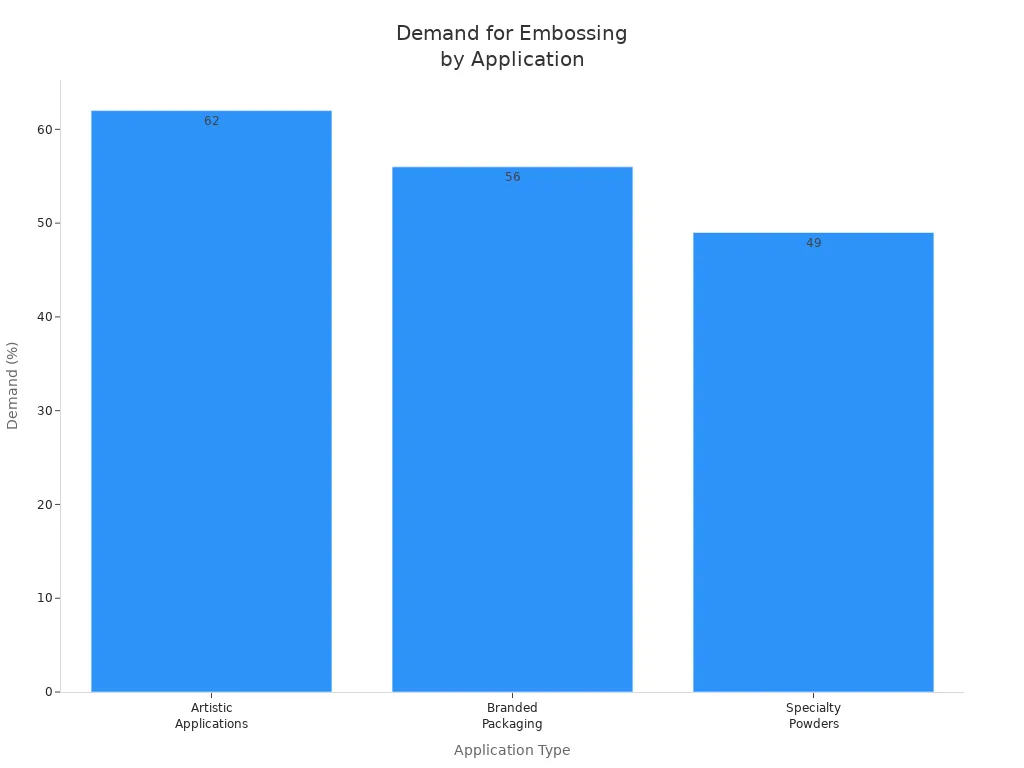
Not all fabrics are suitable for embossing, but many can if you use the right method. Experts say that choosing the right fabric is crucial for achieving good results. Some fabrics hold patterns well, while others require additional steps. Designers test different fabrics, fabric moisture levels, and the pressure applied. Suerte’s special fabrics allow people to experiment with new ideas and create cool textures. The advantages are: more creative options, stronger materials, and quick sample making. Embossing is becoming increasingly popular, especially in the arts and branding sectors.
| Metric | Value |
|---|---|
| Market Value in 2025 | USD 148.35 million |
| Expected Market Value in 2032 | USD 208.75 million |
| CAGR | 5.0% |
| Demand from Artistic Applications | 62% |
| Demand from Branded Packaging | 56% |
| Demand from Specialty Powders | 49% |
FAQ
Which fabrics are best for embossing?
Polyester, cotton, velvet, and knitted fabrics are all suitable for embossing. These fabrics retain their shape after being heated and pressed. Suerte’s bespoke fashion fabric collection includes many of these.
Can I emboss fabric at home?
Yes, you can emboss fabric at home. People use stamps, irons, embossing powder, or Cricut machines. It’s recommended to test on a small piece of fabric first to avoid mistakes.
Will embossed patterns last after washing?
Embossed patterns on polyester fabrics are more durable than on natural fabrics. Natural fabrics may lose detail after multiple washes. For best results, always follow the washing instructions.
How can Suerte help you with your embossing projects?
Suerte offers fabric samples, low minimum order quantities, and rapid prototyping services. Designers can experiment with different fabrics and methods before starting large projects.