Yes, jacquard fabric can be ironed. This fabric uses a special weave that blends multiple fibers. Suerte’s custom jacquard fabrics may contain polyester, spandex, rayon, or nylon. These blended fibers give the fabric elasticity, durability, and a rich texture. Careful ironing can protect the pattern and keep the fabric looking new. Gentle ironing helps maintain the vibrancy of the pattern and colors.
Common fiber blends in Suerte’s jacquard fabrics:
Polyester and spandex
Rayon or nylon for extra features
If you use the right heat and method, ironing jacquard fabric is safe and works well.
Key Takeaways
You can iron floral jacquard fabric if you use the right heat. Always look at the care label for special instructions.
Use a pressing cloth when you iron to keep the fabric safe. This helps protect the fabric from heat and keeps its bright patterns.
Iron jacquard fabric on the back side to keep its texture and design. This stops the raised patterns from getting flat.
Do not use steam on polyester jacquard fabric. Steam can melt it or change its shape. Use a dry iron for the best results.
Wash jacquard fabric gently and let it air dry. Taking good care of it keeps the colors bright and the patterns clear.
Jacquard fabric basics
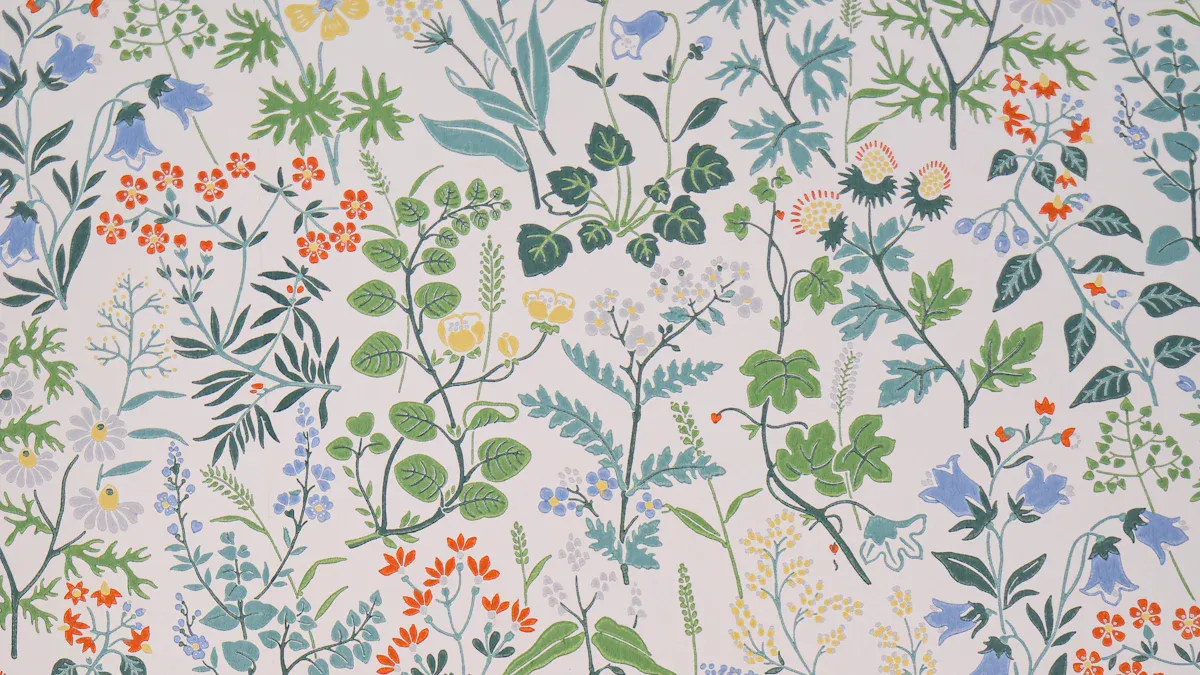
What is jacquard fabric
The unique feature of jacquard fabric is its woven pattern. These patterns are not printed or sewn onto the fabric surface, but are formed during the weaving process. Jacquard fabric originated in the early 19th century. Joseph Marie Jacquard invented the jacquard loom in 1804 for making clothing, furniture, and accessories. This loom made fine fabrics more accessible to a wider audience.
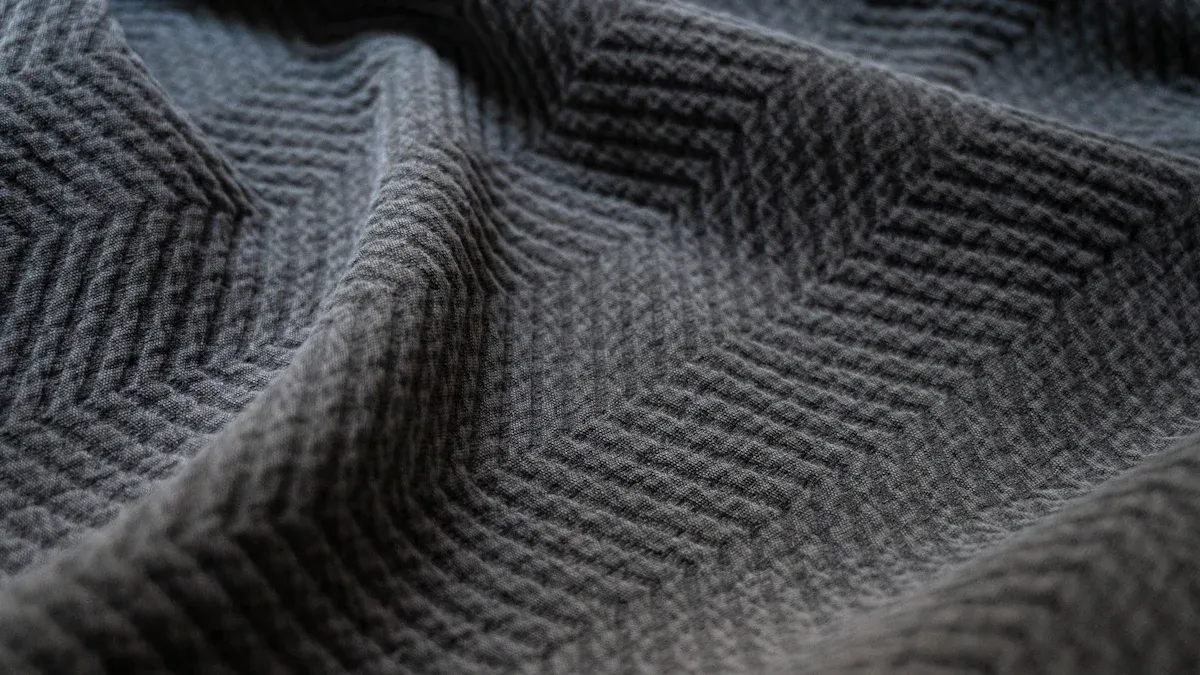
Jacquard fabric features intricate patterns, such as flowers, stripes, or various shapes. These patterns are woven directly into the fabric, giving it a substantial and textured feel.
Common jacquard fiber types
Many fibers can be used to make jacquard fabric. Each fiber gives the fabric a unique feel and purpose. The following table lists some fibers and their uses:
Fiber Type | Characteristics | Common Uses |
|---|---|---|
Cotton | Soft and lets air through | Clothes, towels, and bed sheets |
Silk | Shiny and fancy | Fancy clothes and dresses |
Polyester | Strong and not expensive | Useful fabrics that last a long time |
Wool | Warm and thick | Winter clothes, blankets, and furniture |
Some jacquard fabrics mix fibers like polyester and spandex. These mixes make the fabric stretchy and strong. Suerte’s custom jacquard fabrics use these mixes for better strength and feel.
Why jacquard needs special care
Due to the manufacturing process of jacquard fabrics, they require gentle care. Excessive force can damage the weave pattern. Soft fibers like silk or wool require careful washing and ironing. While cotton and polyester jacquard fabrics are more durable, they also require proper temperature and cleaning methods. Each fiber reacts differently to water, heat, and soap. Improper washing can cause jacquard fabrics to shrink or deform. Proper care of jacquard fabrics can keep the pattern clear and the fabric beautiful.
Tip: Always check the care label before washing or ironing jacquard fabrics. This will protect the pattern and keep the fabric in good condition.
Jacquard fabric care essentials
Reading care labels
Care labels tell you how to take care of jacquard fabric. Each label has symbols that show how to wash, dry, and iron it. You should always look at these symbols before cleaning or ironing. The table below shows some common care label symbols and what they mean:
Category | Symbol/Instruction | Description |
|---|---|---|
Washing | Hand wash at max 40°C | Use gentle hand wash or a delicate machine cycle |
Do not wash | Water-sensitive fabric; avoid washing | |
Bleaching | Do not bleach | Avoid chlorine or strong bleaching agents |
Drying | Do not tumble dry | Air dry the fabric instead of using a dryer |
Flat drying | Lay the fabric flat to dry | |
Ironing | Iron at max 110°C (1 dot) | Use low heat when ironing |
Do not iron | Skip ironing to protect the fabric | |
Dry cleaning | Professional dry cleaning only | Take to a professional cleaner |
Tip: Always follow the label’s instructions. This keeps the patterns and colors looking nice.
Identifying fabric blends
Jacquard fabric care depends on what fibers are in it. Suerte’s custom jacquard fabrics use blends like polyester, spandex, rayon, or nylon. Each blend acts differently with heat and water. You should check the label or product details to know the fiber content. Polyester blends can take more heat. Silk or wool blends need gentle care. Knowing the blend helps you pick the right way to wash and iron.
When to avoid ironing
Some jacquard fabrics are not suitable for ironing. The label may indicate “Do Not Iron.” Fabrics with special treatments, 3D textures, or fine fibers may lose their shape or luster if ironed. If the label says “Do Not Iron,” avoid ironing; try steam ironing or air drying. This will protect the fabric and keep it looking new.
Note: Good care begins with reading the label and understanding the fabric composition. Doing so helps extend the life of your jacquard fabric.
Washing and Caring for Jacquard
Hand washing tips
Hand washing can extend the life of jacquard fabrics. Pour cold water into a basin and add a small amount of mild detergent. Gently immerse the fabric in the water for a few minutes. This protects the pattern and prevents damage to the fabric. Rinse the fabric with cold water. Wrap it in a towel to absorb excess water.
Tip: If you must use a washing machine, use a mesh laundry bag. This helps protect the fabric and prevents snagging.
Dry cleaning advice
Dry cleaning is suitable for delicate jacquard fabrics. It is especially suitable for silk or wool blends. Professional dry cleaners know how to clean fabrics with special weaves. They use mild detergents that will not damage the fabric. Always check the care label before dry cleaning. Some jacquard garments, such as glamorous dresses, require dry cleaning. Suerte’s custom jacquard fabrics are strong and durable, but still require gentle care.
Air drying jacquard
Air drying prevents jacquard fabrics from shrinking. It also keeps the fabric looking new. Lay the fabric flat on a clean towel and shape it while it is still slightly damp.
Note: Suerte’s jacquard fabrics are wrinkle-resistant. Gentle washing and air drying will keep it in its best condition.
Safe and Effective Jacquard Ironing Tips
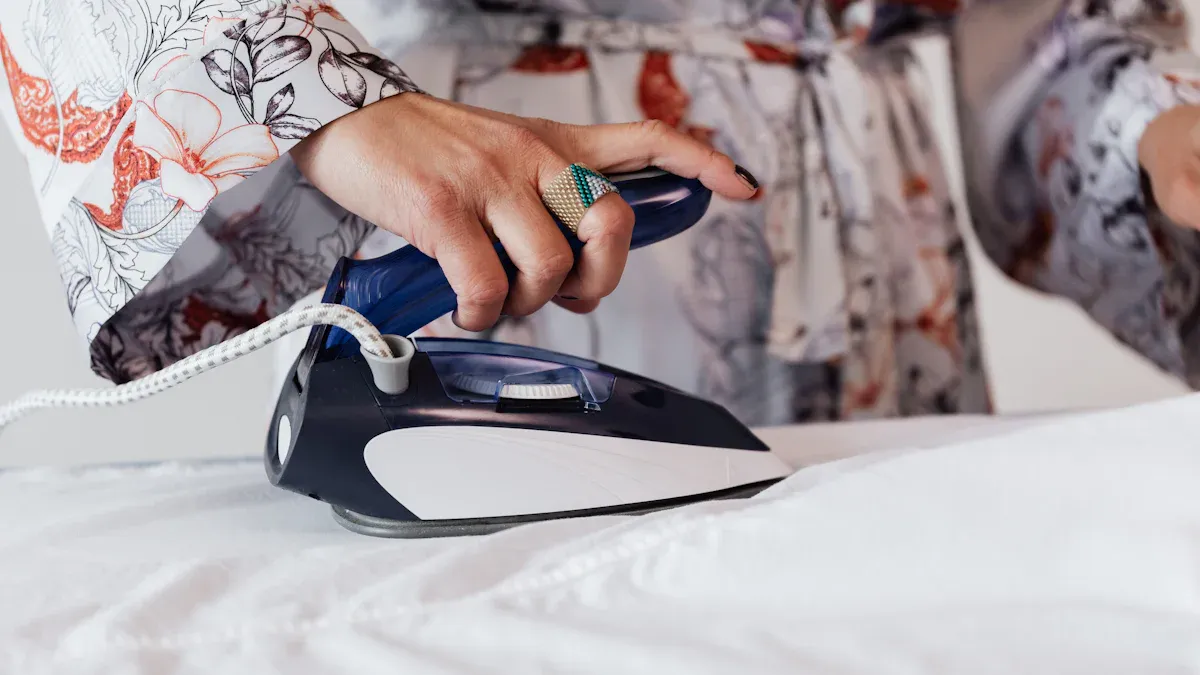
Preparing to iron
Getting ready to iron helps keep jacquard fabric nice. You should follow these steps before you start ironing:
Wash the fabric gently in clean water for 5-10 minutes. Use a gentle soap or special detergent. Rub the fabric softly and rinse it well.
Dry the fabric in a cool place with fresh air. Do not put it in the sun or use a dryer. Wait until the fabric is about 70% dry before you iron it.
Make sure your ironing area is ready. The iron should be clean and the board should be flat.
Tip: Suerte’s jacquard fabrics do not wrinkle much, but getting ready makes ironing safer and easier.
Iron settings for jacquard
Picking the right heat is important for jacquard. The best setting depends on what fibers are in the fabric. Always look at the care label for help. Here are some simple rules:
Use a low or medium heat, between 110°C and 170°C.
For silk or synthetic blends, use the lowest heat.
For cotton or polyester blends, use medium heat.
Use a dry iron to set the heat. Do not leave the iron in one spot for too long.
Fiber Type | Recommended Ironing Temperature |
|---|---|
Silk or Synthetics | 110°C (Low) |
Polyester Blend | 120-150°C (Low-Medium) |
Cotton Blend | 150-170°C (Medium) |
Note: Start with a low heat and only make it hotter if you need to. Too much heat can hurt soft fibers.
Using a pressing cloth
An ironing cloth protects the fabric from the heat of the iron. Place a clean cotton cloth between the iron and the jacquard fabric. This prevents the fabric from becoming shiny, scorched, or flattening the pattern. Move the iron gently across the cloth. Do not press down or stay in one spot.
Using an ironing cloth is a simple way to maintain the color and texture of jacquard fabric.
Ironing on the reverse side
Experts recommend ironing jacquard fabric on the reverse side. This helps maintain the beauty of the fabric’s texture and raised pattern. Lay the fabric flat with the reverse side facing up. Iron gently, following the shape of the fabric. This helps remove wrinkles and keeps the pattern clear.
Ironing on the reverse side helps maintain the unique look and feel of jacquard fabric.
When to avoid steam
Steam can help remove wrinkles, but it’s not always suitable for jacquard fabrics. Do not use steam on polyester jacquard fabrics. Too much steam can melt the polyester or change its shape. Use a dry iron and keep it on a low heat. If you are unsure, test it on a small, inconspicuous area first. Do not use a steam iron on polyester blends. This helps prevent fabric damage.
Detailed Instructions for Ironing Jacquard Fabrics
Step-by-step instructions for ironing jacquard fabric
- Prepare the fabric as described above.
- Set the iron to a temperature suitable for the fabric’s fiber blend.
- Place an ironing cloth over the fabric.
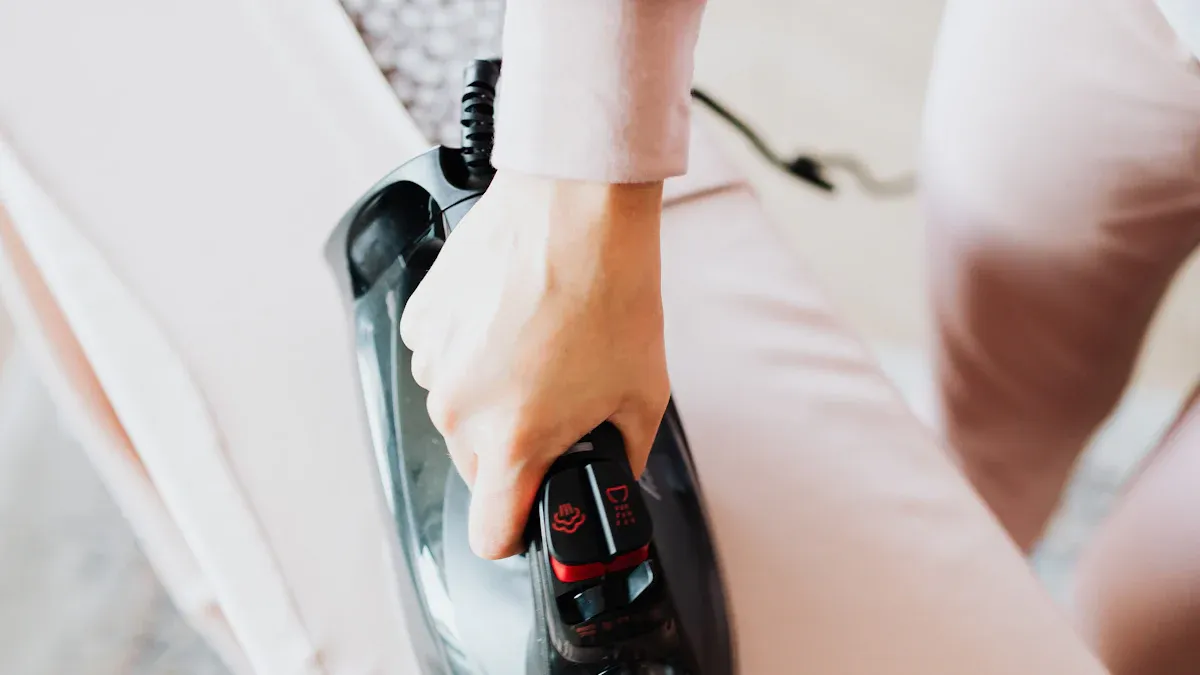
- Iron the back of the fabric with gentle, even motions.
- Do not use a steam iron on polyester or soft blends.
- Check the fabric frequently to avoid overheating.
These steps help keep jacquard fabrics in their best condition. Suerte’s jacquard fabrics are not prone to wrinkling, but careful ironing will still keep them looking beautiful.
Ironing tips for different jacquard types
Cotton jacquard temperatures
Cotton jacquard fabric handles heat better than many other types. People should set their irons to a medium temperature. The best maximum temperature for cotton jacquard is 150°C. Using the right heat helps remove wrinkles without harming the fabric. The table below shows the recommended temperature:
Fabric Type | Maximum Ironing Temperature |
|---|---|
Cotton Jacquard | 150°C |
Always use a pressing cloth to protect the woven patterns. Iron on the reverse side for best results.
Silk jacquard care
Ironing silk jacquard fabric requires gentle care. If the iron is too hot, the fibers may scorch or lose their luster. Please follow these steps:
- Set the iron to the lowest temperature or the silk setting.
- Place an ironing cloth between the iron and the fabric.
- Iron the reverse side of the fabric to protect its glossy surface.
- Apply gentle pressure and keep the iron moving.
Tip: Do not omit the ironing cloth. It protects the silk fabric from heat damage.
Polyester and blends
Polyester and blended jacquard fabrics require low to medium ironing temperatures. High temperatures may melt the fibers or cause the fabric to shine. Recommendations:
- Use a low to medium ironing temperature.
- Always use an ironing cloth, such as a clean cotton or linen cloth.
- Glide the iron gently while ironing; do not press down.
- If the fabric has many wrinkles, iron the reverse side first.
- Avoid ironing raised patterns directly.
Note: Always check the care label or test on an inconspicuous area before ironing.
Handling 3D and textured jacquard
3D jacquard fabrics require extra care. If ironed too forcefully, the raised pattern may be flattened. Recommendations:
- Set the iron to the appropriate temperature for the fabric type.
- Place a clean towel or thin cotton cloth over the fabric.
- Iron through this protective layer.
- Avoid using steam, as it may damage some jacquard fabrics.
- Move the iron gently; never press down.
Using a towel or cotton cloth helps maintain the beauty of the 3D texture.
Common Jacquard Ironing Mistakes
Risks of Overheating Jacquard
A lot of people make mistakes when ironing jacquard fabric. One big mistake is using too much heat. Jacquard can have different fibers like polyester, cotton, or silk. Each fiber acts differently when heated. If you do not check the fiber type, the fabric might shrink or melt. It can also lose its shape. Too much heat can make colors fade and patterns look flat. Pressing down hard with the iron can mess up the texture. It can ruin the pretty designs. Always make sure your iron is clean before you use it. A dirty iron can leave stains or marks on the fabric. If there is a stain, treat it before ironing. Heat can make a stain stay forever.
Tip: Start with a low heat. Only make it hotter if you need to. This keeps the fabric safe and the patterns looking nice.
Common mistakes include:
Not checking what fibers are in the fabric
Pressing down too hard with the iron
Not making sure the iron is clean
Ironing over a stain that has not been cleaned
Skipping the pressing cloth
A pressing cloth is a barrier between the iron and the jacquard fabric. If you skip this step, you can get burn marks or shiny spots. Sometimes, the fabric can even get burned. The pressing cloth spreads the heat out and keeps the fibers safe. Without it, the fabric can lose its nice feel and bright color. Shiny spots can show up and make the fabric look old. Burn marks are hard to fix and can ruin the clothing.
Using a pressing cloth is an easy way to keep jacquard looking good and safe.
Benefits of using a pressing cloth:
Stops burn marks
Keeps shiny spots away
Protects soft fibers
Ironing on the pattern side
If you iron right on the pattern side, the raised designs can get flat. The heat and pressure can hurt the special weave. The patterns might not show up as well. Experts say to iron on the back side instead. This helps keep the texture and details safe. It also keeps the fabric looking new and stylish.
Always iron jacquard on the back side. This keeps the patterns safe and the fabric looking nice.
Storing and maintaining jacquard fabric
Folding and hanging tips
Storing jacquard fabric the right way keeps it looking nice. Fold jacquard items gently so you do not make sharp lines. Sharp folds can leave marks on the raised patterns. It is better to fold softly. Put acid-free tissue paper between the folds to stop deep lines. Heavy jacquard clothes, like coats or dresses, should not hang for a long time. Hanging them too long can stretch the fabric and change its shape. Lighter jacquard pieces can go on padded hangers. Padded hangers help the shoulders keep their shape and stop slipping. They also help stop the fabric from stretching. Cover your clothes with garment bags that let air in. This keeps out dust and moisture. Do not use plastic covers because they trap water and can cause mildew.
Tip: Keep jacquard fabric in a cool, dry spot. Do not put it in sunlight. Sunlight can fade colors and hurt the fibers.
Long-term care advice
The key to long-term maintenance of jacquard fabric lies in proper storage. A cool, dry place will keep the fabric fresh and prevent odors. Sunlight can make the fabric brittle and fade, so direct sunlight should be avoided. Don’t overcrowd your wardrobe or drawers; cramped space will compress the fabric and cause wrinkles. Leave enough space for each garment to maintain its shape. Use breathable garment bags reinforced with acid-free tissue paper for extra protection. Check your stored garments every few months; this helps to identify problems early and maintain the fabric’s beauty.
Clean and care for your jacquard fabric regularly to keep it looking new. Wash gently, dry carefully, and store properly. These tips help maintain the vibrancy of patterns and colors for a long time.
Note: Good storage, cleaning, and care help extend the life of jacquard fabric and maintain its beauty.
If properly cared for, jacquard fabric can remain bright and new for a long time. Always check the care label before ironing. Choose the appropriate temperature and use an ironing cloth to protect the pattern. Experts recommend using safe ironing techniques for best results. Suerte offers custom jacquard fabrics for customers who want their fabrics to last. Proper care of jacquard fabrics will keep them looking new and vibrant.
Remember: Gentle ironing and expert advice are key to maintaining the brilliance of your jacquard fabrics.
FAQ
Can you use a steam iron on jacquard fabric?
Steam irons can damage some jacquard fabrics, especially those with polyester or textured designs. Always check the care label first. If unsure, use a dry iron with a pressing cloth to protect the fabric.
What should you do if jacquard fabric gets shiny after ironing?
A shiny spot means the iron was too hot or pressed too hard. Place a damp pressing cloth over the area and gently iron again on low heat. This may help reduce the shine.
How do you remove wrinkles from jacquard without ironing?
Lay the fabric flat and smooth it by hand. Hang it in a steamy bathroom for a few minutes. Wrinkles often relax without direct heat.
Is it safe to iron jacquard curtains?
Yes, but use low to medium heat and always use a pressing cloth. Iron on the reverse side to protect the patterns. Check the care label for special instructions.